חלק ג׳ פרק מ״ו
אלמצות אלתי תצ'מנתהא אלג'מלה אלחאדיהֵ עשרה הי אלתי אחצינאהא פי בקיהֵ ספר עבודה ופי ספר קרבנות וקד ד'כרנא פאידתהא עלי אלתג'מיל ונחן אלאן נאכ'ד' פי תעליל אחאדהא חסב מא אדרכנאה.
ה׳מצוות׳ אשר כלל אותם הכלל העשתי עשר, הם אשר ספרנום בשאר ״ספר עבודה וב״ספר קרבנות״. וכבר זכרנו תועלתם בכלל; ועתה אתחיל לתת טעם כל אחת ואחת לפי השגתי.
Les commandements que renferme la onzième classe sont ceux que nous avons énumérés dans le reste du livre ’Abôdâ (du culte) et dans le livre Korbanôth (des sacrifices). Nous avons déjà parlé de leur utilité en général, et maintenant nous entreprendrons d’en indiquer les raisons en détail, autant que nous avons cru les comprendre. Voici donc ce que nous disons.
- 4 Voy. ci-dessus, chap. XXXII.
THE precepts of the eleventh class are enumerated in the Section on Divine Service (Sefer ‘abodah) and the Section on Sacrifices (Sefer ha-ḳorbanot). We have described their use in general terms (chap. xxxii.). I will now proceed to give the reason of each precept separately.
פנקול קד נצת אלתורה כמא שרח אונקלוס באן קבט מצר כאנוא יעבדון ברג' אלחמל פלד'לך כאנוא יחרמון ד'בח אלגנם ויכרהון רעאהֵ אלגנם קאל הן נזבח את תועבת מצרים וקאל כי תועבת מצרים כל רעה צאן. וכד'לך כאנת טואיף מן אלצאבה יעבדון אלג'ן ויעתקדון אנה יתשכל פי צורהֵ אלענוז ולד'לך כאנוא יסמון אלג'ן שעירים וקד כאן פשא הד'א אלמד'הב כת'ירא ג'דא פי איאם משה רבנו ולא יזבחו עוד את זבחיהם לשעירים וגו' פלד'לך כאנת תלך אלטואיף איצ'א תחרם אכל אלענוז. אמא ד'בח אלבקר פיכאד אנה כאן יכרהה אכת'ר עובדי עבודה זרה וכלהם יעט'מון הד'א אלנוע ג'דא ולד'לך תג'ד אלהנוד אלי זמאננא הד'א לא יד'בחון אלבקר בוג'ה ולו פי אלבלאד אלתי תד'בח סאיר אנואע אלחיואן פמן אג'ל מחו את'אר הד'ה אלארא אלגיר צחיחה שרענא בתקריב הד'ה אלת'לאת'הֵ אנואע כ'אצה מן אלמואשי מן הבקר ומן הצאן תקריבו את קרבנכם חתי יציר אלפעל אלד'י ט'נוה גאיהֵ אלעציאן בה יתקרב ללה ובד'לך אלפעל תסתגפר אלד'נוב והכד'א תטב אלארא אלרדיה אלתי הי אמראץ' אלנפס אלאנסאניה באלצ'ד אלד'י פי אלטרף אלאכ'ר.
- חלק ג׳ פרק ל״ב מול חלק ג׳ פרק מ״ו בינה מלאכותית
- התורה ציותה לעשות דוקא את המעשה שהחשיבו עובדי עבודה זרה לתכלית המרי, כי חליי הנפש מתרפאים בהפך אשר בקצה האחר.
- אי אפשר לצאת מן ההפך אל ההפך פתאום, ולכן השאירה התורה מיני העבודה שהורגלו בה ולא ציותה לעזבם.
ואומר: כבר אמרה ה׳תורה׳ כפי מה שפרש אונקלוס שהמצרים היו עובדים מזל טלה, ומפני זה היו אוסרים לשחוט הצאן, והיו מואסים רועי צאן – אמר הֵן נִזְבַּח אֶת תּוֹעֲבַת מִצְרַיִםשמות ח,כב ואמר: כִּי תוֹעֲבַת מִצְרַיִם כָּל רוֹעֵה צֹאןבראשית מו,לד. וכן היו כיתות מן הצאבה עובדים לשדים, והיו חושבים שהם ישובו בצורת העזים – ולזה היו קוראים לשדים ׳שעירים׳ – וכבר התפשט הדעת הזה מאד בימי ׳משה רבינו׳: וְלֹא יִזְבְּחוּ עוֹד אֶת זִבְחֵיהֶם לַשְּׂעִירִים וגו׳ויקרא יז,ז. ולזה היו אוסרים הכיתות ההם גם כן אכילת העיזים; אכל שחיטת הבקר כמעט שהיו מואסים אותו רוב ׳עובדי עבודה זרה׳ וכולם היו מגדילים זה המין מאד. ולזה תמצא אנשי הודו עד היום לא ישחטו הבקר כלל, ואפילו בארצות אשר ישחטו שאר מיני בעלי חיים. ובעבור שימחה זכר אלו הדעות אשר אינם אמיתיות, צוינו להקריב אלו השלושה מינים לבד, מן הבהמה מִן הַבָּקָר וּמִן הַצֹּאן תַּקְרִיבוּ אֶת קָרְבַּנְכֶםויקרא א,ב עד שיהיה המעשה אשר חשבוהו תכלית המרי, בו יתקרבו אל האלוה ובמעשה ההוא יכופרו העוונות. וכן מרפאים הדעות הרעות אשר הם חליי הנפש האנושית בהפך אשר בקצה האחר.
- חלק ג׳ פרק ל״ב מול חלק ג׳ פרק מ״ו בינה מלאכותית
- התורה ציותה לעשות דוקא את המעשה שהחשיבו עובדי עבודה זרה לתכלית המרי, כי חליי הנפש מתרפאים בהפך אשר בקצה האחר.
- אי אפשר לצאת מן ההפך אל ההפך פתאום, ולכן השאירה התורה מיני העבודה שהורגלו בה ולא ציותה לעזבם.
On lit dans le texte du Pentateuque, selon l’explication d’Onkelos, que les anciens Égyptiens adoraient la constellation du Bélier ; c’est pourquoi il était interdit chez eux d’immoler les brebis, et ils avaient en abomination les bergers, comme il est dit : « C’est l’objet du culte des Égyptiens que nous immolerons, etc. » Exode VIII, 22 ; « Car les Êgyptiens ont en abomination tout pasteur de brebis » Genèse XLVI, 34. De même certaines sectes des Sabiens qui adoraient les démons croyaient que ceux-ci prenaient la forme de boucs ; c’est pourquoi ils donnaient aux démons le nom de boucs. Cette opinion était très-répandue du temps de Moïse, notre maître : « et afin qu’ils n’offrent plus leurs sacrifices aux boucs » Lévitique XVII, 7 ; c’est pourquoi ces sectes aussi s’abstenaient de manger des boucs. Quant à l’immolation des bœufs, elle était en abomination à presque tous les idolâtres, et tous tenaient cette espèce en grand honneur. C’est pourquoi tu trouveras que les Indous jusqu’à notre temps n’immolent jamais l’espèce bovine, même dans les pays où ils immolent d’autres espèces d’animaux. C’est donc pour effacer les traces de ces opinions malsaines qu’il nous a été prescrit de sacrifier particulièrement ces trois espèces de quadrupèdes : « des bœufs ou du menu bétail vous offrirez votre sacrifice » Lévitique I, 2, afin qu’on s’approchât de Dieu par cet acte même qu’ils considéraient comme le plus grand crime et qu’on cherchât dans cet acte le pardon des péchés. C’est ainsi qu’on cherchait à guérir les idées corrompues, qui sont les maladies de l’âme humaine, au moyen de l’extrême opposé.
- חלק ג׳ פרק ל״ב מול חלק ג׳ פרק מ״ו בינה מלאכותית
- התורה ציותה לעשות דוקא את המעשה שהחשיבו עובדי עבודה זרה לתכלית המרי, כי חליי הנפש מתרפאים בהפך אשר בקצה האחר.
- אי אפשר לצאת מן ההפך אל ההפך פתאום, ולכן השאירה התורה מיני העבודה שהורגלו בה ולא ציותה לעזבם.
- 1 Le mot תועבה, qui signifie abomination, doit être pris, dans ce passage, dans le sens de divinité, objet de culte. Les écrivains sacrés, pour ne pas profaner les noms de la Divinité, emploient souvent, en parlant des divinités païennes, des termes de mépris, comme תועבה ou שקוץ, abomination. Voy., par exemple, I Rois, ch. XI, v. 5 et 7 ; II Rois, ch. XXIII, v. 13 ; Isaïe, ch. XLIV, v. 19. C’est dans le même sens qu’Onkelos, dans sa paraphrase chaldaïque au passage de l’Exode, rend le mot תועבה par בעירא דמצראי דחלין לה, « l’animal auquel les Égyptiens rendent un culte » (cf. la même paraphrase à la Genèse, chap. XLIII, v. 32) ; mais nous ne savons pas où Maïmonide a vu qu’Onkelos parle de la constellation du bélier, adorée par les Égyptiens, à moins qu’il n’ait attribué ce sens au mot בעירא. — La seconde citation, qui se trouve dans tous les mss. ar., manque dans les versions d’Ibn-Tibbon et d’Al-’Harîzi.
- 2 Voy. sur ce passage, Spencer, De legibus ritualibus Hebrœorum, liv. III, Dissert. VIII, chap. VII : Expiatio judaica cur Hircis prœcipue prœstita (édition de Cambridge, p. 1015).
- 3 Voy. ci-dessus, chap. XXX, p. 244, note 4.
- 4 Tous les mss. portent אלתי תדׄבח סאיר וגו׳, de sorte que הדׄבח ne peut être qu’un verbe actif dont le sujet est אלבלאד, littéralement : dans les pays qui immolent ; de même Ibn-Tibbon : בארצות אשר ישחטו שאר וגו׳. Al-’Harîzi traduit : בארצות אשר ישחטו שם שאר מיני החיות, ce qui est moins littéral, mais plus rationnel. — Ce que l’auteur dit ici des Indous n’est vrai, dans le sens absolu, qu’en ce qui concerne la vache, pour laquelle les Indous professaient une grande vénération et qui était inviolable. Mais ils partageaient aussi avec d’autres peuples de l’antiquité le respect pour l’espèce bovine en général. Voy. Bohlen, Das alte Indien, t. I, p. 253 et suiv. Sur les croyances analogues des Égyptiens, voy. Spencer, l. c., liv. II, ch. XV, sect. 2 (éd. de Cambridge, p. 372 et suiv.)
Scripture tells us, according to the Version of Onkelos, that the Egyptians worshipped Aries, and therefore abstained from killing sheep, and held shepherds in contempt. Comp. “Behold we shall sacrifice the abomination of the Egyptians,” etc. Exodus VIII:26; “For every shepherd is an abomination to the Egyptians” Genesis XLVI:34. Some sects among the Sabeans worshipped demons, and imagined that these assumed the form of goats, and called them therefore “goats” [se‘irim]. This worship was widespread. Comp. “And they shall no more offer their sacrifices unto demons, after whom they have gone a whoring” Leviticus XVII:7. For this reason those sects abstained from eating goats’ flesh. Most idolaters objected to killing cattle, holding this species of animals in great estimation. Therefore the people of Hodu [Indians] up to this day do not slaughter cattle even in those countries where other animals are slaughtered. In order to eradicate these false principles, the Law commands us to offer sacrifices only of these three kinds: “Ye shall bring your offering of the cattle [viz.], of the herd and of the flock” Leviticus I:2. Thus the very act which is considered by the heathen as the greatest crime, is the means of approaching God, and obtaining His pardon for our sins. In this manner, evil principles, the diseases of the human soul, are cured by other principles which are diametrically opposite.
- חלק ג׳ פרק ל״ב מול חלק ג׳ פרק מ״ו בינה מלאכותית
- התורה ציותה לעשות דוקא את המעשה שהחשיבו עובדי עבודה זרה לתכלית המרי, כי חליי הנפש מתרפאים בהפך אשר בקצה האחר.
- אי אפשר לצאת מן ההפך אל ההפך פתאום, ולכן השאירה התורה מיני העבודה שהורגלו בה ולא ציותה לעזבם.
ומן אג'ל הד'א אלגרץ' בעינה אמרנא בד'בח כבש הפסח ורש דמה במצרים עלי אלאבואב מן כ'ארג' תברוא מן תלך אלארא ואשהאר כ'לאפה ותחציל אעתקאד אן אלפעל אלד'י תט'נונה סבבא מהלכא הו אלמכ'לץ מן אלהלאך ופסח י"י על הפתח ולא יתן המשחית לבוא אל בתיכם לנגף בת'ואב אשהאר אלטאעה ואזאלהֵ מא כאן יסתשנעה עובדי עבודה זרה.
ומפני זאת הכונה בעצמה צוינו לשחוט ׳כבש הפסח׳ ולהזות דמו ב׳מצרים׳ על השערים מחוץ – לנקות עצמנו מן הדעות ההם ולפרסם שכנגדם, ולהביא להאמין שהמעשה אשר תחשבו בו שהוא סיבה ממיתה, הוא המציל מן המות: וּפָסַח יי עַל הַפֶּתַח וְלֹא יִתֵּן הַמַּשְׁחִית לָבוֹא אֶל בָּתֵּיכֶם לִנְגּוֹףשמות יב,כג – גמול פרסום העבודה בעשות כל מה שהיו מרחיקים אותו ׳עובדי עבודה זרה׳.
Ce fut précisément dans le même but qu’on nous ordonna d’immoler l’agneau pascal, et, en Egypte, d’asperger de son sang le dehors des portes, afin que nous fussions affranchis de ces opinions, et qu’en publiant le contraire nous fissions partager (aux Egyptiens) la croyance que l’acte qu’ils considéraient comme pouvant causer la mort était au contraire ce qui sauvait de la mort : « Et l’Éternel passera devant la porte et ne permettra pas au destructeur d’entrer dans vos maisons pour frapper » Exode XII, 23, en récompense de ce qu’ils avaient publiquement exercé leur culte et repoussé les absurdités professées par des idolâtres.
- 1 Le texte porte :
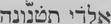 , et de même la version d’Ibn-Tibbon : אשר תחשבו בו, que vous considérez. Sur cet emploi irrégulier du discours direct, cf. le t. I, p. 283, note 4, et ci-dessus, p. 289, note 1.
- 2 Plus littéralement : et fait cesser ce que faisaient ou croyaient absurdement les idolâtres. Le verbe
 doit être pris ici dans le sens de faire ou croire des absurdités, et non pas comme à l’ordinaire dans celui de réputer absurde. Ibn-Tibbon traduit selon le sens : בעשות כל מה שהיו מרחיקין עובדי ע״ז. Al-’Harîzi traduit plus littéralement : ובהסיר מה שהיו נזהרין בו ; il a exactement rendu le sens du mot arabe אזאלה̈, mais il ne s’est pas bien rendu compte du verbe אסתשנע.
This is also the reason why we were commanded to kill a lamb on Passover, and to sprinkle the blood thereof outside on the gates. We had to free ourselves of evil doctrines and to proclaim the opposite, viz., that the very act which was then considered as being the cause of death would be the cause of deliverance from death. Comp. “And the Lord will pass over the door, and will not suffer the destroyer to come unto your houses to suite you” Exodus XII:23. Thus they were rewarded for performing openly a service every part of which was objected to by the idolaters.
הד'ה הי אלעלה פי אכ'תיאר הד'ה אלת'לת'הֵ אנואע כ'אצה ללקרבאן מצ'אפא אלי כון הד'ה אלאנואע איצ'א אהליה כת'ירהֵ אלוג'וד וליס כאעמאל עובדי עבודה זרה אלד'ין כאנוא יקרבון אלאסוד ואלדבבה ואלחיואנאת אלבריה כמא ד'כר פי טמטם.
זהו הטעם בבחירת השלושה מינים האלה לבד לקרבן – מחובר אל היות אלו השלושה מינים גם כן נמצאים מאד, ולא כמעשה ׳עובדי עבודה זרה׳ שהיו מקריבים האריות והדובים והבהמות המדבריות – כמו שזכר בטומטום.
— Telle est donc la raison pour laquelle ces trois espèces ont été particulièrement choisies pour les sacrifices. En outre, ces espèces sont des animaux domestiques qui existent en grand nombre ; les idolâtres au contraire sacrifiaient des lions, des ours et d’autres bêtes sauvages, comme on le dit dans le livre Tomtom.
To the above reason for the exclusive selection of the three kinds of animals for sacrifices, we may add the following, namely, that these species are animals which can be got very easily, contrary to the practice of idolaters that sacrifice lions, bears, and wild beasts, as is stated in the book Tomtom.
ולמא כאן אכת'ר אלנאס לא יקדר עלי תקריב בהמה אמר באן יכון אלקרבאן איצ'א מן אלטאיר אוג'דה פי אלשאם ואג'ודה ואסהלה מאכ'ד'א והי תורים ובני יונה. ומן לא יקדר ולו עלי אלטיר פיקרב כ'בזא מכ'בוזא באי נוע כאן מן אלכ'ביז אלמשהור פי תלך אלאזמאן אמא מאפה תנור או מאפה מחבת או מאפה מרחשת. ומן עסר עליה אלכ'ביז פיקרב סמיד'א והד'א כלה למן אראד. ת'ם בין לנא אן הד'א אלנוע מן אלעבאדה אעני אלקראבין אן לם נפעלה אצלא לא את'ם עלינא בוג'ה קאל וכי תחדל לנדר לא יהיה בך חטא.
ומפני שרוב בני האדם לא היו יכולים להקריב ׳בהמה׳ צוה להקריב קרבן גם כן ממין העוף, מן הנמצא בארץ ישראל יותר, ומן הנאה והקל למצאו – והם ׳תורים ובני יונה׳. ומי שלא תמצא ידו די העוף, יקריב לחם עשוי באי זה מין שיהיה ממעשה הלחם המפורסם בזמנים ההם אם ׳מאפה תנור׳ או ׳מאפה מחבת׳ או ׳מאפה מרחשת׳; ומי שיכבד עליו הלחם האפוי יקריב סולת – וזה כולו למי שירצה. ואחר כן באר לנו שזה המין מן העבודה – רצוני לומר: הקרבנות – אם לא נעשהו כלל אין חטא עלינו כלל – אמר כִי תֶחְדַּל לִנְדּוֹר לֹא יִהְיֶה בְךָ חֵטְאדברים כג,כג.
Comme la plupart des gens n’ont pas les moyens d’offrir un quadrupède, on a prescrit d’offrir aussi comme sacrifice les oiseaux les plus fréquents en Syrie, les meilleurs et les plus faciles à prendre : ce sont les tourterelles et les jeunes colombes. Celui qui n’était pas en état d’offrir même un oiseau pouvait offrir de la pâtisserie cuite d’une des différentes manières de cuire connues dans ces temps-là, soit au four, soit sur la plaque, soit dans une poêle ; celui qui avait de la difficulté à offrir de la pâtisserie pouvait offrir de la fleur de farine. Toutes ces prescriptions s’adressaient à ceux qui avaient la volonté (d’offrir des sacrifices). — Ensuite il est dit expressément que, si nous ne pratiquions point ce genre de culte, je veux dire celui des sacrifices, nous ne serions par là entachés d’aucun péché : « Si tu t’abstiens de faire des vœux, il n’y aura en toi aucun péché » Deutéronome XXIII, 23.
- 3 Voy. Lévitique, chap. V, v. 7 et passim.
- 4 Voy. Lévitique, chap. II, v. 1-11.
- 5 Le texte s’exprime d’une manière très-concise : tout cela pour celui qui voulait. L’auteur veut dire que le législateur, par toutes ces prescriptions, ne voulait que réglementer les sacrifices pour ceux qui pratiquaient volontairement ce genre de culte ; car, comme l’auteur l’a développé plus haut (chap. XXXII), le culte des sacrifices n’était qu’un accommodement aux usages du temps et plutôt toléré qu’ordonné.
As, however, many could not afford to offer a beast, the Law commanded that birds also should be sacrificed, but only of those species which are found abundantly in Palestine, are suitable, and can easily be obtained, namely, turtledoves and pigeons. Those who are too poor to offer a bird, may bring bread of any of the kinds then in use: baked in the oven, baked in a pan, or in a frying-pan. If the baking of the bread is too much trouble for a person, he may bring flour. All this concerns only those who desire to sacrifice; for we are distinctly told that the omission of the sacrificial service on our part will not be reckoned to us a sin: “If thou shalt forbear to vow, it shall be no sin in thee” Deuteronomy XXIII:22.
ולמא כאן עובדי עבודה זרה לא יקרבון כ'בזא אלא כ'מירא ויכת'רון בתקריב אלאמור אלחלוה וילות'ון קראבינהם באלעסל כמא הו משהור פי אלכתב אלתי ד'כרת לך וכד'לך לא תג'ד פי שי מן קראבינהם מלחא לד'לך נהי תעאלי ען תקריב כל שאור וכל דבש ואמר במדאומהֵ אלמלח על כל קרבנך תקריב מלח.
ומפני ש׳עובדי עבודה זרה׳ לא היו מקריבים לחם אלא שאור, והיו בוחרים להקריב הענינים המתוקים ומלחלחים קרבניהם בדבש – כמו שהוא מפורסם בספרים אשר סיפרתי לך; וכן לא תמצא בדבר מקרבנותם מלח – מפני זה הזהיר האלוה מהקריב כָּל שְׂאוֹר וְכָל דְּבַשׁויקרא ב,יא וציוה בהתמדת המלח עַל כָּל קָרְבָּנְךָ תַּקְרִיב מֶלַחויקרא ב,יג.
Puisque les idolâtres n’offraient le pain que fermenté, qu’ils offraient fréquemment des choses douces et mêlaient du miel dans leurs offrandes,—ainsi qu’on le voit souvent dans les livres dont je t’ai parlé, — et que dans aucune de leurs offrandes on ne se servait du sel, Dieu, d’une part, défendit d’offrir aucune espèce de levain ou « de miel » Lévitique II, 11, et, d’autre part, il ordonna d’offrir toujours du sel : « Avec toutes tes offrandes, tu présenteras du sel » ibid., v. 13.
- 1 Nous ne saurions dire si l’auteur a puisé ce renseignement dans l’un des livres sabiens ou païens qu’il a mentionnés au chap. XXIX ; mais, s’il a voulu parler des anciens païens en général, il n’était pas bien informé, car il est certain que l’usage du sel était très-commun dans les sacrifices des Grecs et des Romains. Pline dit, en parlant du sel : « Maxime autem in sacris intelligitur ejus auctoritas quando nulla conficiuntur sine mola salsa. » Hist. nat., liv. XXXI, chap. 41. Cf. Spencer, l. c., liv. III, Dissert. II, chap. 2, sect. 2 (édit. Cambridge, p. 662).
The idolaters did not offer any other bread but leavened, and chose sweet things for their sacrifices, which they seasoned with honey, as is fully described in the books which I named before: but salt is not mentioned in any of their sacrifices. Our Law therefore forbade us to offer leaven or honey, and commanded us to have salt in every sacrifice: “With all thine offerings thou shalt offer salt” Leviticus II:13.
ואמר באן תכון אלקראבין כלהא תמימים עלי אחסן חאלאתהא לאן לא יחצל אסתכ'פאפא באלקרבן ויתהאון במא יקרב לאסמה תעאלי כמא קאל הקריבהו נא לפחתך הירצך או הישא פניך. ולהד'ה אלעלה איצ'א נהי ען תקריב מא לם יכמל לה סבעהֵ איאם לנקצה פי צנפה ואסתקד'ארה לאנה כאלסקט. והי אלעלה פי תחרים אתנן זונה ומחיר כלב לאסתהג'אן הד'ין. והי אלעלה פי תקריב כביר אלימאם ופראך' אלחמאם לאן הד'א הו אלאטיב פיהא לאן כביר אלחמאם לא לד'ה פיה. והי אלעלה פי כון אלמנחות מלת'ות'ה באלדהן ומן אלסמיד' לאן הד'א אכמל ואלד'. ואכ'תיר אללבאן לטיב ראיחהֵ בכ'ורה פי אלמואצ'ע אלתי פיהא קתאר אללחם.
וציוה להיות הקרבנות כולם ׳תמימים׳ על הטוב שבעניניהם – שלא יבוא להקל ב׳קרבן׳ ולבזות במה שיקריבו לשמו ית׳ – כמו שאמר הַקְרִיבֵהוּ נָא לְפֶחָתֶךָ – הֲיִרְצְךָ אוֹ הֲיִשָּׂא פָנֶיךָ?מלאכי א,ח – ולזה הטעם גם כן הזהיר מהקריב מה שלא ישלמו לו שבעת ימים, להיותו חסר במינו, והיותו נמאס, מפני שהוא כנפל. – והוא הטעם באיסור ׳אתנן זונה ומחיר כלב׳ לפחיתות שניהם. – והוא הטעם בהקרבת הגדול מן התורים ואפרוחי יונים, כי זהו הטוב שבהם, מפני שהגדול שביונים אין בו ערבות. – והוא הטעם בהיות ה׳מנחות׳ בלולות בשמן ומן הסולת, כי זה – השלם והערב. ונבחרה הלבונה, לטוב ריח עשנה במקומות אשר בהם ריח הבשר הנשרף.
Tous les sacrifices devaient être sans défaut et dans le meilleur état, afin qu’on n’arrivât pas à dédaigner le sacrifice et à mépriser ce qui devait être offert à la Divinité, comme il est dit : « Présente-le donc à ton prince, t’agréera-t-il ou t’accueillera-t-il bien ? » Malachie I, 8. C’est aussi pour la même raison qu’on a défendu d’offrir en sacrifice l’animal qui n’a pas encore sept jours accomplis, parce que son espèce n’est pas encore parfaitement dessinée et qu’on le trouve repoussant ; il est en effet semblable à un avorton. C’est encore pour la même raison qu’il est défendu d’offrir le cadeau fait à une prostituée et le prix d’un chien, à cause de la turpitude de ces deux choses. Pour la même raison encore, on offrait les tourterelles grandies et les colombes jeunes les unes et les autres étant les meilleures, car les colombes grandies n’ont pas de saveur. Pour la même raison enfin, les offrandes devaient être pétries avec de l’huile et composées de fleur de farine, car c’est là ce qu’il y a de plus parfait et de plus doux. L’encens (qu’on y mettait) a été choisi à cause de la bonne odeur que sa fumée répandait dans des lieux où il y avait une odeur de viande brûlée.
- 2 C’est-à-dire, pour ne pas exposer au mépris les choses saintes.
- 3 Voy. Lévitique, chap. XXII, v. 27.
- 4 C’est-à-dire, un animal dont on a fait cadeau à une prostituée ou qui a été donné en échange pour un chien. Voy. Deutéronome, chap. XXIII, v. 19 ; Mischnâ, Ve partie, traité Temourâ, chap. IV, §3 ; Mischné Torâ, traité Issouré Mizbea’h, chap. IV, §16. Selon quelques commentateurs, le mot כלב, chien, dans le passage du Deutéronome, aurait le sens de cinœdus ; mais les rabbins le prennent à la lettre, en comprenant le prix du cinœdus dans אתנן זונה. Voy. Talmud, traité Temourâ, fol. 29 b. On sait que les chiens sont, en Orient, l’objet d’un profond mépris. Voy. Jahn, Biblische Archœologie, t. I, 1er volume, § 60, p. 325 et suiv.
- 1 Voy. Lévitique, chap. I, v. 14, et chap. V, v. 7 ; Mischnâ, Ve partie, traité ’Hullîn, chap. I, § 5 ; Mischné Torâ, l. c., chap. III, § 2.
- 2 Voy. Lévitique, chap. II, v. 1 et 4.
It is further ordained that the offerings must all be perfect and in the best condition, in order that no one should slight the offering or treat with contempt that which is offered to God’s name: “Offer it now unto thy governor; will he be pleased with thee?” Malachi I:8. This is the reason why no animal could be brought that was not yet seven days old Leviticus XXII:26; it is imperfect and contemptible, like an untimely birth. Because of their degraded character it was prohibited to bring “the hire of a harlot and the price of a dog” Deuteronomy XXIII:18 into the Sanctuary. In order to bring the offering in the beat condition, we choose the old of the turtle-doves and the young of the pigeons, the old pigeons being less agreeable. The oblation must likewise be mingled with oil, and must be of fine flour Leviticus II:1, for in this condition it is good and pleasant. Frankincense is prescribed ibid. because its fumes are good in places filled with the odour of burnt flesh.
ומן אג'ל תעט'ים אלקרבן ואן לא ינט'ר בעין כראההֵ ואסתקד'אר אמר בסלך' אלעולה וגסל אלאמעא ואלאטראף ואן כאנת כלהא תחרק ותג'ד הד'א אלגרץ' ירעי דאימא ויתחפט' מנה באמרכם שלחן י"י מגאל הוא וניבו נבזה אכלו. והי אלעלה איצ'א פי אן לא יאכל אלקרבן ערל ולא טמא ולא יוכל אד'א אנתג'ס ולא יוכל לאחר זמנו ולא אד'א אפסדת פיה אלניה. ואן יוכל פי מוצ'ע מכ'צץ אמא אלעולה אלתי הי ללה כ'אלצה פלא תוכל בוג'ה. ומא יקרב מן אג'ל את'ם והו אלחטאת ואלאשם יוכל בעזרה ופי יום אלד'בח ולילה כ'אצה. ואמא אלשלמים אלתי הי דון ד'לך והי קדשים קלים פתוכל פי ג'מיע ירושלם כ'אצה ותוכל מן גד אלנהאר לא גיר לאנהא בעד ד'לך תכ'ם ותפסד.
ומפני הגדלת ה׳קרבן׳ ושלא יהיה נמאס ונבזה, ציוה להפשיט ה׳עולה׳ ולרחוץ הקרב והכרעים אף על פי שכולם נשרפים. ותמצא זאת הכונה ישמרה תמיד, ויזהיר ממנה: בֶּאֱמָרְכֶם שׁוּלְחַן יי מְגוֹאָל הוּא וְנִיבוֹ נִבְזֶה אָכְלוֹמלאכי א,יב. – והוא הטעם גם כן שלא יאכל ה׳קרבן׳ ׳ערל׳ ולא ׳טמא׳; ולא יאכל אחר שנטמא ולא יאכל ׳לאחר זמנו׳ ולא כשיחשב עליו מחשבה רעה; ושיאכל במקום מיוחד. אבל ה׳עולה׳ שהיא כולה לה׳ לא תאכל כלל. ומה שיקריב בשביל החטא – והוא ה׳חטאת׳ וה׳אשם׳ – יאכל ׳בעזרה׳ וביום שחיטתו ולילו לבד. אבל ה׳שלמים׳ אשר הם למטה מהם – והם ׳קדשים קלים׳ – יאכלו בכל ירושלים לבד, ויאכלו ממחרת היום לא אחר כך – מפני שאחר כך יקבלו זוהמה ויפסדו.
C’est encore par respect pour le sacrifice, et afin qu’on ne le regardât pas avec aversion et dégoût, qu’il a été prescrit de dépouiller l’holocauste et de laver les intestins et les extrémités, quoiqu’on les brûlât en totalité. Tu trouveras que c’est là une chose dont on se préoccupait toujours et dont on voulait se préserver : « Car vous dites : la table de l’Éternel est souillée et (on la flétrit) en disant sa nourriture est méprisable » Malachie I, 12. Pour la même raison aussi, un homme incirconcis ou impur ne peut pas manger du sacrifice ; celui-ci ne peut être mangé lorsqu’il a été rendu impur, ni après le délai prescrit, ni lorsqu’il a été profané par la pensée, et il faut le manger dans un lieu déterminé. L’holocauste, qui appartient entièrement à Dieu, ne peut être mangé en aucune façon ; ce qui est offert en expiation d’une faute, à savoir le sacrifice de péché et le sacrifice de délit, doit être mangé dans le parvis, et seulement le jour même de l’immolation et la nuit suivante. Les sacrifices pacifiques, qui sont d’un degré inférieur et d’une sainteté moindre, doivent être mangés dans toute la ville de Jérusalem seulement et peuvent l’être encore le lendemain (de l’immolation), pas plus tard ; car après ce délai, ils se gâtent et se corrompent.
- 3 Voy. Lévitique, chap. I, v. 6-9.
- 4 Avec Raschi et Kimchi, nous prenons le mot וניבו dans le sens de sa parole, c’est-à-dire, la parole par laquelle le prêtre impie insulte à l’autel, c’est : sa nourriture est méprisable.
- 5 C’est-à-dire, même le prêtre qui, par une circonstance quelconque, n’a pas été circoncis, ou qui est entaché d’une impureté légale. Voy. Mischnâ, IIIe partie, traité Yebamôth, chap. VIII, § 1, et les commentaires de Maïmonide et de Raschi ; Mischné Torâ, liv. VIII, traité Ma’asé ha-Korbanoth, chap. X, § 9. Sur l’impur, voy. Lévit., chap. VII, v. 20-21.
- 6 Voy. Lévitique, chap. VII, v. 16-21, et ci-dessus, p. 322, note 3.
- 1 Sur cette disposition et les suivantes, voy. Lévit., ibid., v. 6 et suiv. ; Mischnâ, Ve partie, traité Zeba’hîm, chap. V, §§3, 5 et suiv.
- 2 Voy. ci-après, p. 376, note 3.
The burnt-offering was flayed Leviticus I:16, and its inwards and legs, although they were entirely burnt, had to be previously washed ibid. ver. 9, in order that due respect should be shown to the sacrifice, and it should not appear despicable and contemptible. This object is constantly kept in view, and is often taught, “Ye say, The table of the Lord is polluted; and the fruit thereof, even his meat, is contemptible” Malachi I:12. For the same reason no body uncircumcised, or unclean Leviticus XXII:4, was allowed to partake of any offering; nor could any offering be eaten that had become unclean Leviticus VII:19, or was left till after a certain time ibid. VII:15-17, or concerning which an illegal intention had been conceived; and it had also to be consumed in a particular place. Of the burnt-offering, which is entirely devoted to God, nothing at all was eaten. Those sacrifices which are brought for a sin, viz., sin-offering and guilt-offering, must be eaten within the court of the Sanctuary (‘azarah), and only on the day of their slaughtering and the night following, whilst peace-offerings, which are next in sanctity, being sacrifices of the second degree, may be eaten in the whole of Jerusalem, on the day they have been offered and on the following day, but not later. After that time the sacrifices would become spoiled, and be unfit for food.
ומן אג'ל תעט'ים אלקרבן וכל מא אפרד לאסמה תעאלי פרץ' עלינא אן כל נהנה מן הקדשים מעל ויחתאג' כפרה ותוספת חומש עלי אנה שוגג.
ומפני הגדלת ה׳קרבן׳ וכל מה שהוא מיוחד לשמו ית׳ חייב עלינו שכל מי ש׳נהנה מן ההקדש׳ ׳מעל׳ וצריך ׳כפרה ותוספת חומש׳ אף על פי שהוא ׳שוגג׳.
C’est encore pour nous faire respecter le sacrifice et tout ce qui a été consacré au nom de Dieu, que la loi déclare coupable quiconque aura tiré une jouissance des choses saintes ; il devra offrir un sacrifice expiatoire et payer un cinquième en sus, lors même qu’il aurait commis le péché par inadvertance.
- 3 C’est-à-dire, en sus de la valeur de l’objet sacré dont il aura tiré profit. Voy. Lévitique, ch. V, v. 15 et 16.
In order that we may respect the sacrifices and all that is devoted to the name of God, we are told that whosoever takes part of a holy thing for common use has committed a trespass, must bring a sin-offering, and restore what he has taken with an addition of the fifth part of its value, although he may have committed the trespass in ignorance.
וכד'לך לא תג'וז עבודה בקדשים ולא גזתם כל הד'א תעט'ימא ללקרבן. ועלי ג'ההֵ אלאחתיאט פרץ' חכם אלתמורה לאנה לו ג'אז תבדיל אלרדי באלג'יד בדל אלג'יד באלרדי וקיל אן הד'א אג'וד פחכם פי ד'לך הוא ותמורתו יהיה קדש. ואמא מא אמרנא בה מן כון כל מן פדא שיא מן קדשיו יוסיף חומש פעלהֵ ד'לך בינה לאן אדם קרוב אצל עצמו פטבעה אבדא אלמיל נחו אלשח עלי מאלה ולא יתחרי ת'מן אלקדש ולא יבאלג פי ערצ'ה חתי תתחקק קימתה פאסתט'הר עליה באלזיאדה חתי יביע מן גירה בקימתה כל הד'א כי לא יתהאון במא אסמי ללה ותקרב לה בה.
וכן אין מותרת ׳עבודה בקדשים׳ ולא ׳גיזתם׳ מפני הגדלת ה׳קרבן׳. – ועל צד הסיג חויב דין ה׳תמורה׳ כי אילו היה מותר להמיר הרע בטוב, היה ממיר הטוב ברע ויאמר שזה יותר טוב – על כן נגזר בו וְהָיָה הוּא וּתְמוּרָתוֹ יִהְיֶה קּוֹדֶשׁויקרא כז,י אבל מה שצוונו בו מהיות הפודה דבר מ׳קדשיו׳ ׳מוסיף חומש׳ – טעמו מבואר, כי ״אדם קרוב אצל עצמו״ וטבעו לעולם לנטות אל הכילות ולחוס על ממונות ולא היה מדקדק בדמי ה׳קודש׳ ולא היה מראה אותו בכל הצריך עד שיעמוד על אמיתת דמיו – על כן חייבו להוסיף עד שימכר לזולתו בשויו; כל זה – כדי שלא יבזוהו מה שנקרא בשמו ית׳ ומה שיתקרב אליו בו.
De même, il était défendu de travailler avec des animaux sacrés ou de les tondre ; tout cela, par respect pour les sacrifices. La loi relative à la permutation (des animaux) a été donnée par manière de précaution ; car, s’il avait été permis de substituer un bon animal à un mauvais, on aurait aussi substitué un mauvais à un bon en prétendant qu’il était meilleur. La loi a donc prononcé que : « tant (la bête) elle-même que celle qui aurait été mise en sa place serait sainte » (Lévitique XXVII, 10 et 33). — S’il a été prescrit que celui qui voudra racheter une des choses qu’il aura consacrées doit ajouter un cinquième de la valeur, la raison en est évidente. En effet, (comme le dit le proverbe) « le plus proche parent de l’homme, c’est lui-même » ; étant donc toujours enclin par sa nature à être avare de son argent, il ne s’enquerra pas du prix de la chose consacrée et ne la soumettra pas à une estimation rigoureuse, afin d’en bien faire constater le prix. C’est pourquoi on s’est garanti contre lui en exigeant une augmentation, afin que l’objet consacré pût se vendre à un autre, pour le prix qu’il vaut ; tout cela, afin de préserver du mépris ce qui a été consacré à Dieu et ce qui doit servir à nous obtenir sa faveur.
- 4 Voy. Deutéronome, chap. XV, v. 19.
- 5 Voy. ci-dessus, p. 320, et ibid., note 1.
- 6 Voy. Lévitique, chap. XXVII, v. 13, 15, 19, 27 et 31 ; Mischnâ, Ve partie, traité ’Arakhin, chap. III, §2, et chap. VII, §2 ; Maïmonide, Mischné Torâ, liv. VI, traité ’Arakhin, chap. IV, §5, et surtout chap. V, §3.—Selon la loi traditionnelle, c’est le quart de la valeur qu’on ajoute, de manière que la somme ajoutée forme le cinquième du prix total du rachat.
- 1 Voy., par exemple, Talmud de Babylone, traité Synhédrin, fol. 10 a.
- 2 Tous les mss. ont יתחרי
 , Ve forme du verbe
 , signifiant s’enquérir avec soin d’une chose. Ibn-Tibbon et Al-’Harîzi ont employé dans leurs versions le verbe ידקדק ; ils semblent avoir lu dans leur texte arabe יתחרר.
- 3 Mot à mot : il ne mettra pas beaucoup de soin à la présenter ; c’est-à-dire à la montrer à d’autres.
- 4 Mot à mot : on a appelé au secours contre lui t’augmentation ; c’est-à-dire, le trésor du sanctuaire a été mis à couvert, par l’augmentation, contre la mauvaise foi du propriétaire de la chose consacrée. La traduction d’Ibn-Tibbon, חייבו להוסיף, est inexacte.
- 5 L’auteur veut dire, ce me semble, afin que, dans le cas où le propriétaire refuserait d’ajouter le cinquième, l’objet consacré pût être vendu par les prêtres à une autre personne pour le prix véritable. Les mots מן גירה doivent se traduire ici à un autre, car le régime indirect du verbe
 , vendre, s’exprime en arabe par l’accusatif ou par
 , au lieu de
 ; ainsi, pour dire il lui a vendu la chose, on mettra en arabe
 , ou bien
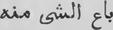 . Voy. le Commentaire de Sylvestre de Sacy sur les Séances de Hariri, p. 354.
- 6 Mot à mot : et par quoi on a cherché à s’approcher de lui, ou à s’insinuer auprès de lui. Le verbe תקרב est ici le passif de la Ve forme et doit se prononcer
 .
For the same reason animals reserved for holy purposes must not be employed in work; nor is the shearing of such animals permitted Deuteronomy XV:19. The law concerning the change of a sacrifice must be considered as a preventive; for if it were permitted to substitute a good animal for a bad one, people would substitute a bad animal for a good one, and say that it was better than the original; it was therefore the rule that, if any such change had taken place, both the “original sacrifice and the exchange thereof should be holy” Leviticus XXVII:9. When a person redeems a thing devoted by him to the Sanctuary, he must likewise add one-fifth (Leviticus XXVII:13, 15); the reason for this is plain. Man is usually selfish, and is naturally inclined to keep and save his property. He would therefore not take the necessary trouble in the interest of the Sanctuary: he would not expose his property sufficiently to the sight of the valuer, and its true value would not be fixed. Therefore the owner had to add one-fifth, whilst a stranger paid only the exact value. These rules were laid down in order that people should not despise that with which the name of God is connected, and which serves as a means of approaching God.
ואמא עלהֵ חרק מנחת כהן לאן כל כהן לה אן יקרב קרבאנה בידה פיכון קד ג'אב מנחה ויאכלהא הו נפסה פכאנה לם יפעל שיא בוג'ה לאן כל מנחת יחיד אנמא יקרב מנהא לבונתה וקומץ פמא כפי נזארהֵ הד'א אלקרבן אלא ויאכלה אלד'י ג'אבה פלם תט'הר עבאדה אצלא פלד'לך תחרק.
אבל טעם שרפת ׳מנחת כהן׳ – מפני שכל ׳כהן׳ יש לו להקריב קרבנו בעצמו, ויהיה אם כן מביא ׳מנחה׳ ואוכל אותה הוא בעצמו וכאילו לא עשה דבר, כי כל ׳מנחת יחיד׳ לא היה קרב ממנה אלא ׳לבונתה וקומץ׳ ולא די מיעוט זה ה׳קרבן׳ אלא שיאכלנו מי שהביאו, ולא יראה אם כן עבודה כלל – מפני זה היא נשרפת.
La raison pourquoi l’offrande du prêtre devait être brûlée, c’est que chaque prêtre devait présenter son offrande de sa propre main ; si donc il avait mangé lui-même l’offrande présentée par lui, c’eût été comme s’il n’avait absolument rien offert. En effet, de toute offrande d’un particulier, on n’offrait sur l’autel que l’encens et une poignée (de farine). Si donc, non content de l’exiguïté de ce sacrifice, celui qui l’offrait avait pu encore le manger, il n’y aurait même pas eu une apparence de culte ; c’est pourquoi cette offrande devait être brûlée.
- 1 Il s’agit ici de l’offrande, soit obligatoire, soit volontaire, présentée par un prêtre, et de celle que chaque prêtre devait présenter le jour de son installation. Cette dernière, le grand prêtre devait la répéter tous les jours pendant tout le temps de ses fonctions, et c’est là ce qu’on entend dans la Mischnâ par les mots חביתי כהן גדול ; la même chose est confirmée par Josèphe. Voy. Lévit., chap. VI, v. 13-16 ; Mischnâ, Ve partie, traité Mena’hoth, chap. IV, §5, et chap. V, §§3 et 5 ; Maïmonide, Commentaire sur la Mischnâ, Introd. au traité Mena’hoth (Pococke, Porta Mosis, Notœ miscellaneœ, p. 431-432) ; Josèphe, Antiquités, liv. III, chap. X, §7.
- 2 Cf. Mischné Torâ, liv. VIII, traité Ma’asé ha-Korbanoth, ch. XII, §4 : מנחה שמקריב כל כהן תחלה כשיכנס לעבורה שמקריב אותה בידו.
- 3 Voy. Lévititque, chap. II, v. 2.
The oblation of the priest was entirely burnt Leviticus VI:16, because the priest offered up his oblation by himself, and if he were to offer it, and at the same time to eat it, it would appear as if he had not performed any service. For nothing was offered upon the altar of the ordinary oblations of any person except the frankincense and a handful of the flour or cake; and if, in addition to the fact that the offering was small, he who offered it were himself to eat it, nothing of a sacrificial service would be noticed. It is therefore entirely burnt Leviticus VI:16.
ואמא אלאחכאם אלכ'ציצה באלפסח והו אן יוכל צלי אש פקט ובבית אחד ועצם לא תשברו בו פהי כלהא בינהֵ אלעלה לאנה כמא אלפטיר ללאסתעג'אל כד'לך אלשוי ללאסתעג'אל ואנה ליס ת'ם בט לעמל אלואן ותחכים אטעמה ולו אלבט פי כסר עט'אמה ואכ'ראג' מא פיה מחד'ור לאנה קד ד'כר מלאך אלאמר פי ג'מיע ד'לך והו קולה ואכלתם אותו בחפזון וליס מע אלחפז וניה לכסר עט'אם ולא לתוג'יה מנה מן בית אלי בית ואנתט'אר אלרסול חתי יעוד והד'ה כלהא אעמאל אלתראכ'י ואלוניה וכאן אלקצד אלאסתט'האר באלחפז ואלאסתעג'אל איאך יתאכ'ר אחד ויפותה אלכ'רוג' פי ג'וק אלנאס פיתמכן מן אד'יתה ויגתאל וכ'לדת תלך אלאחואל דאימא לתד'כאר כיף כאן אלאמר כמא קאל ושמרת את החקה הזאת למועדה מימים ימימה. ואמא כונה אינו נאכל אלא למנויו פד'לך לתאכיד אתכ'אד'ה ולא יתכל אחד עלי קריב לה או צדיק או מן אתפק אן יערץ' עליה פלא יהתם בה מן אול אלוקת. ואמא תחרימה עלי אלערלים פקד בין ד'לך אלחכמים ז"ל לאנהם קאלוא אבטלוא מצות מילה למא טאל מקאמהם במצר ללתשבה באלמצריין פלמא שרע אלפסח ואשתרט פיה אן לא יד'בח אלא בעד מילת עצמו ובניו ובני ביתו וחיניד' יקרב לעשותו אכ'תתנוא כלהם וכאן דם מילה יתכ'לט בדם הפסח לכת'רהֵ אלמכ'תונין כמא ד'כרוא ואלי הד'א אלאשארה בקולה מתבוססת בדמיך דם הפסח ודם המילה.
אמנם החוקים המיוחדים ב׳פסח׳ והוא שיאכל ׳צלי אש׳ לבד ו׳בבית אחד׳: וְעֶצֶם לֹא תִשְׁבְּרוּ בוֹשמות יב,מו – כל אלו טעמם מבואר, כי כמו שהמצה מפני החיפזון כן הצלי מפני החיפזון – שלא היה שם פנאי לעשות תבשיל ולתקן מאכלים; ואפילו להתאחר לשבור עצמותיו ולהוציא מה שבהם נאסר – כי כבר זכר עיקר הענין בכל אלה והוא אמרו: וַאֲכַלְתֶּם אוֹתוֹ בְּחִפָּזוֹןשמות יב,יא ואין עם החפזון פנאי לשבר עצמות, ולא לשלוח ממנו מבית לבית ולהמתין השליח עד שישוב – שאלו כולם מעשי ההתרשלות והפנאי. והכונה היתה – להראות החפזון והמהירות כדי שלא יתאחר אחד מהם ולא יוכל לצאת עם המון העם ויוכלו להזיקו ולהתנכל לו. וצוה לעשות הענינים ההם לנצח, לזכרון איך היה הענין – כמו שאמר וְשָׁמַרְתָּ אֶת הַחוּקָּה הַזֹּאת לְמוֹעֲדָהּ מִיָּמִים יָמִימָהשמות יג,י. – אבל היותו ״אינו נאכל אלא למנוייו״ הוא – לזרז ללקחו, ושלא ישען כל אחד על קרובו ועל אוהבו ועל מי שנזדמן ולא ירגיש בו מתחלת הזמן – ואמנם היותו אסור ל׳ערלים׳ כבר בארוהו ה׳חכמים ז״ל׳ שאמרו הם בטלו ׳מצות מילה׳ כשארך עמדם במצרים להדמות למצריים, וכאשר צווה במצות ה׳פסח׳ והותנה בו שלא ישחט אלא אחר ׳מילת עצמו ובניו ובני ביתו׳ ואז יִקְרַב לַעֲשׂוֹתוֹשמות יב,מח – מלו כולם והיה ׳דם מילה׳ מתערב ב׳דם הפסח׳ לרוב הנמולים – כמו שזכרו; ואל זה רמז באמרו: ״׳מתבוססת בדמיך׳ – דם הפסח ודם המילה״.
Les dispositions qui concernent particulièrement l’agneau pascal, à savoir qu’on ne doit le manger que rôti au feu, dans une même maison et « sans en rompre un seul os » (Exode XII, 8 et 46), ont toutes une raison évidente. En effet, de même que le pain azyme est motivé par la précipitation, de même le rôti avait pour motif la précipitation ; car on n’avait pas le temps de faire différents plats et d’apprêter des mets. On aurait même craint de s’arrêter à rompre les os et à en prendre le contenu ; car, pour résumer tout cela, il est dit : « et vous le mangerez avec précipitation » ibid., v. 12. Or, dans la précipitation, on ne saurait s’arrêter à en rompre les os, ni à en envoyer d’une maison à une autre et à attendre le retour du messager ; car toutes ces actions dénotent la négligence et le retard, tandis qu’on avait pour but de se garantir par la hâte et la précipitation, afin que personne ne fût en retard et ne manquât l’occasion de partir avec la foule, de sorte qu’on aurait pu lui faire du mal en le surprenant. Ces usages se sont ensuite perpétués en commémoration de l’événement, comme il est dit : « Tu observeras cette institution au temps fixé, d’année en année » ibid., XIII, 10. S’il a été dit que « l’agneau pascal ne pourrait être mangé que par ceux qui auraient été comptés pour y participer », c’était pour inculquer le devoir de l’acheter, et afin que personne ne comptât sur un parent, sur un ami, ou sur le premier venu qui aurait pu le lui offrir, de sorte qu’il n’en eût pas pris soin d’avance. Quant à la défense d’en donner à manger aux incirconcis, les docteurs déjà l’ont expliquée, en disant que les Hébreux, pendant leur long séjour en Égypte, avaient négligé le commandement de la circoncision, afin de s’assimiler aux Égyptiens. Lors donc que l’agneau pascal fut ordonné et qu’on y mit pour condition que personne ne l’immolerait qu’après avoir pratiqué la circoncision sur lui, sur ses enfants et sur les gens de sa maison, et qu’alors seulement « il pourrait s’approcher pour le faire » ibid., XII, 48, ils se firent tous circoncire. La multitude des circoncis, disent-ils, fit que le sang de la circoncision se mêla au sang de l’agneau pascal, et c’est à cela que le prophète fait allusion en disant : « trempée dans ton sang » Ézéchiel XVI, 6, à savoir le sang de l’agneau pascal et celui de la circoncision.
- 4 Dans les éditions de la version d’Ibn-Tibbon, il manque ici les mots כן הצלי מפני החפזון, qui se trouvent dans les mss. de cette version.
- 5 Les mots מלאך אלאמר signifient la partie essentielle ou le fond de la chose, le résumé. Cf. le t. II, chap. XVII (texte ar., fol. 36 b, trad. française, p. 136).
- 1 Voy. Mischnâ, Ve partie, traité Zeba’him, chap. V, §8, et cf. Exode, chap. XII, v. 4.
- 2 Voy. Exode, chap. XII, v. 48.
- 3 Voy. le Midrasch Schemôth rabbâ, sect. 19 (fol. 104, col. 4).
- 4 L’auteur paraît partager l’opinion des talmudistes d’après laquelle les Israélites auraient été les seuls à pratiquer la circoncision. Voir plus loin les Notes au chap. XLIX, vers la fin.
- 1 Cf. la paraphrase chaldaïque de Jonathan et le commentaire de Raschi sur le passage d’Ézéchiel.
The reason of the particular laws concerning the Passover lamb is clear. It was eaten roasted by fire Exodus XII:8-9 in one house, and without breaking the bones thereof ibid. ver. 46. In the same way as the Israelites were commanded to eat unleavened bread, because they could prepare it hastily, so they were commanded, for the sake of haste, to roast the lamb, because there was not sufficient time to boil it, or to prepare other food; even the delay caused by breaking the bones and to extract their marrow was prohibited the one principle is laid down for all these rules, “Ye shall eat it in haste” Exodus XII:11. But when haste is necessary the bones cannot be broken, nor parts of it sent from house to house; for the company could not wait with their meal till he returned. Such things would lead to laxity and delay, whilst the object of these rules was to make a show of the hurry and haste, in order that none should be too late to leave Egypt with the main body of the people, and be thus exposed to the attacks and the evil [designs of the enemy]. These temporary commandments were then made permanent, in order that we may remember what was done in those days. “And thou shalt keep this ordinance in his season from year to year” Exodus XIII:10. Each Passover lamb was only eaten by those who had previously agreed to consume it together, in order that people should be anxious to procure it, and should not rely on friends, relations, or on chance, without themselves taking any trouble about it before Passover. The reason of the prohibition that the uncircumcised should not eat of it Exodus XII:48 is explained by our Sages as follows:—The Israelites neglected circumcision during their long stay in Egypt, in order to make themselves appear like the Egyptians. When God gave them the commandment of the Passover, and ordered that no one should kill the Passover lamb unless he, his sons, and all the male persons in his household were circumcised, that only “then he could come near and keep it” ibid. XII:48, all performed this commandment, and the number of the circumcised being large the blood of the Passover and that of the circumcision flowed together. The Prophet Ezekiel (xvi. 6), referring to this event, says, “When I saw thee sprinkled with thine own blood I said unto thee, Live because of thy [two kinds of ] blood, “i.e., because of the blood of the Passover and that of the circumcision. Now there remained to provide for the slaughtering of the beasts of the field and birds, because those beasts were never sacrificed, and birds did never serve as peace-offerings (Lev. iii.). The commandment was therefore given that whenever a beast or a bird that may be eaten is killed, the blood thereof must be covered with earth Leviticus XVII:13, in order that the people should not assemble round the blood for the purpose of eating there. The object was thus fully gained to break the connexion between these fools and their spirits.
ואעלם אן אלצאבה כאנת תסתנג'ס אלדם ג'דא ומע ד'לך כאנוא יאכלונה לזעמהם אנה גד'א אלשיאטין פאד'א אכלה מן אכלה פקד ואכ'י אלג'ן ויאתונה ויעלמונה אלכאינאת כמא יתכ'יל אלג'מהור מן אמור אלג'ן. וכאן ת'ם קום יעט'ם עליהם אכל אלדם לאנה שי תעאפה טבאע אלאנסאן פכאנוא יד'בחון חיואנא ויג'מעון דמה פי אניה או פי חפרה ויאכלון לחם ד'לך אלד'ביח חול ד'לך אלדם ואלכ'יאל פי הד'א אלפעל הו אן אלג'ן תאכל ד'לך אלדם אלד'י הו גד'אוהא והם יאכלון אללחם פתחצל אלמואכ'אה לכון אלכל אכלוא עלי מאידה ואחדה ופי ג'מע ואחד פיאתונהם בזעמהם אולאיך אלג'ן פי אלמנאם ויכ'ברונהם באלגיוב וינפעונהם. הד'ה כלהא ארא מתבועה פי תלך אלאזמנה מות'רה משהורה מא כאן ישך אלג'מהור פי צחתהא פאכ'ד'ת אלשריעה אלכאמלה ענד עארפיהא פי אזאלהֵ הד'ה אלאמראץ' אלמסתחכמה פחרמת אכל אלדם ואכדת פי תחרימה מת'ל אלתאכיד פי אלנהי ען עבודה זרה סוי קאל תעאלי ונתתי פני בנפש האכלת את הדם וגו' כמא קאל פי נותן מזרעו למולך ונתתי את פני בנפש ההיא וגו' ולם יאת מת'ל הד'א אלנץ פי מצוה ת'אלת'ה גיר עבודה זרה ואכילת דם אד' אכלה כאן מודיא לנוע מן עבודה זרה והו עבאדהֵ אלג'ן וטהרת אלדם וג'עלתה יטהר מן דני בה והזית על אהרן ועל בגדיו וגו' וקדש הוא ובגדיו ואמרת ברשה עלי אלמזבח וג'עלת אלעבאדה כלהא תבד'ירה הנאך לא ג'מעה וקאל ואני נתתיו לכם על המזבח לכפר והנאך יבד'ר כמא קאל ואת כל הדם ישפך וקאל ודם זבחיך ישפך על מזבח י"י אלהיך ואמר בתבד'יר דם כל בהימה תד'בח ואן לם תכן קרבן קאל על הארץ תשפכנו כמים. ת'ם נהי ען אלאג'תמאע חולה ואלאכל הנאך וקאל לא תאכלו על הדם. ולמא דאם עציאנהם ותבע אלמשהור אלד'י רבוא עליה מן מואכ'אהֵ אלג'ן באלאכל חול אלדם אמר תעאלי באן לא יוכל בשר תאוה במדבר בוג'ה בל יכון אלכל שלמים ובין לנא אן עלהֵ ד'לך חתי יבד'ר אלדם עלי אלמד'בח ולא יג'תמע חולה פקאל למען אשר יביאו בני ישראל וגו' ולא יזבחו עוד את זבחיהם לשעירים וגו' לכן יבקי אמר אלחיה ואלעוף לאנה לם יכן קרבן מן אלחיה בוג'ה ולא יקרב עוף שלמים פאמר תעאלי בעקב ד'לך אן כל חיה ועוף יג'וז אכל לחומהמא אד'א ד'בח יגטי דמה באלתראב חתי לא יג'תמע עליה ללאכל חולה פתם אלגרץ' וכמל אלקצד להפר האחוה בין אלמג'אנין חקיקה ובין ג'נהם.
ודע – כי הדם היה טמא מאד בעיני הצאבה, ועם זה היו אוכלים אותו מפני שהיו חושבים שהוא מזון השדים, וכשאכל אותו מי שאכלו כבר השתתף עם השדים. ויבואוהו ויודיעוהו העתידות, כמו שידמו ההמון ממעשי השדים. והיו שם אנשים שהיה קשה בעיניהם אכילת הדם כי הוא דבר שימאסהו טבע האדם, והיו שוחטים בהמה ומקבלים דמה בכלי או בחפירה ואוכלים בשר השחיטה ההיא סביב דמה – והיו מדמים במעשה ההוא שהשדים יאכלו הדם אשר הוא מזונם והם יאכלו הבשר; ובזה תהיה האהבה והאחוה והרעות להם, בעבור שאכלו כולם על שולחן אחד ובמושב אחד – ויבואו להם השדים ההם לפי מחשבתם בחלום ויגידו להם העתידות ויועילו להם. אלו כולם דעות שהיו נמשכים אחריהם בזמנים ההם ובוחרים אותם, והיו מפורסמות לא היה ספק לאחד מן ההמון באמיתתם. ובאה התורה השלמה ליודעיה – להסיר אלו החליים הנאמנים ואסרה אכילת הדם; ועשתה חיזוק באיסורו כמו שעשתה ב׳עבודה זרה׳ בשוה – אמר ית׳: וְנָתַתִּי פָנַי בַּנֶּפֶשׁ הָאוֹכֶלֶת אֶת הַדָּם וגו׳ויקרא יז,י – כמו שאמר ב׳נותן מזרעו למולך׳: וְנָתַתִּי אֶת פָּנַי בַּנֶּפֶשׁ ההיא וגו׳ויקרא כ,ו. ולא בא זה הלשון ב׳מצוה׳ שלישית מלבד ׳עבודה זרה׳ ו׳אכילת דם׳ – שאכילתו היתה מביאה למין ממיני ׳עבודה זרה׳ והיא עבודת השדים. וטיהרה הדם ושמה אותו מטהר מי שיגע בו: וְהִזֵּיתָ עַל אַהֲרֹן וְעַל בְּגָדָיו וגו׳ וְקָדַשׁ הוּא וּבְגָדָיושמות כט,כא. וצותה להזותו על ה׳מזבח׳ ושמה העבודה כולה – לשפכו שם לא לאספו – ואמר: וַאֲנִי נְתַתִּיו לָכֶם עַל הַמִּזְבֵּחַ לְכַפֵּרויקרא יז,יא; ושם ישפך – כמו שאמר וְאֵת כָּל הַדָּם יִשְׁפּוֹךְויקרא ד,יח ואמר: וְדָּם זְבָחֶיךָ יִשָּׁפֵךְ עַל מִזְבַּח יי אֱלֹהֶיךָדברים יב,כז. וציוה לשפוך דם כל בהמה שתשחט אף על פי שאינה ׳קרבן׳ – אמר עַל הָאָרֶץ תִּשְׁפְּכֶנּוּ כַּמָּיִםדברים יב,טז. ואחר כן הזהיר מלהתקבץ סביבו ולאכול שם ואמר: לֹא תֹאכְלוּ עַל הַדָּםויקרא יט,כו. וכאשר התמיד מרים ונמשכו אחרי המפורסם אשר גדלו עליו מהתחבר אל השדים באכלם סביב הדם, ציוה ית׳ שלא יאכל ׳בשר תאוה׳ ב׳מדבר׳ כלל, אבל יהיה הכל ׳שלמים׳; ובאר לנו סיבתו כדי שישפך הדם על המזבח ולא יתקבצו סביבו – ואמר: ״למען אשר יביאו בני ישראל וגו׳, ולא יזבחו עוד את זבחיהם לשעירים וגו׳״. אבל נשאר ענין ׳החיה׳ וה׳עוף, מפני שלא יבוא ׳קרבן׳ מ׳חיה׳ כלל ולא יקרב ׳עוף׳ ׳שלמים׳; וציוה ית׳ אחר זה שכל ׳חיה ועוף׳ שמותר לאכלם, כשישחט יכוסה דמו בעפר – עד שלא יתקבצו עליו לאכול סביביו. ונשלמה הכונה ׳להפר האחוה׳ בין מי שאחזם שד באמת, ובין שדיהם.
Il faut savoir que les Sabiens considéraient le sang comme une chose très-impure, et, malgré cela, ils le mangeaient, parce qu’ils croyaient que c’était la nourriture des démons, et que, si quelqu’un en mangeait, il fraternisait par là avec ces malins esprits qui venaient auprèsde lui et lui faisaient connaître les choses futures, comme se l’imagine le vulgaire à l’égard des démons. Il y avait cependant des gens à qui il paraissait dur de manger du sang, car c’est une chose qui répugne à la nature humaine. Ceux-là donc, ayant égorgé un animal, en recueillaient le sang dans un vase ou dans une fosse, et mangeaient la chair de cet animal auprès du sang ; ils s’imaginaient, en faisant cela, que les démons mangeaient ce sang, qui était leur nourriture, pendant qu’eux-mêmes ils mangeaient la chair, et que, par là, la fraternisation pouvait être obtenue, puisqu’ils mangeaient tous à la même table et dans la même réunion. Selon leur opinion, les démons devaient alors leur apparaître dans un songe, leur faire connaître les choses cachées et leur rendre des services. C’étaient là des opinions suivies dans ces temps, acceptées avec empressement et généralement répandues, et dont la vérité était hors de doute aux yeux du vulgaire. La loi parfaite entreprit de faire cesser chez ceux qui la reconnaissent ces maladies enracinées, en défendant de manger du sang ; elle insista sur cette défense autant que sur celle de l’idolâtrie ; Dieu a dit : Je mettrai mon regard (ma colère) « contre la personne qui mangera le sang » Lévitique XVII, 6, de même qu’il a dit, au sujet de celui qui donne de sa postérité à Moloch : « Je mettrai mon regard contre cette personne » ibid., XX, 6. Il n’existe pas de troisième commandement au sujet duquel on s’exprime de cette manière, qui n’est employée qu’à l’égard de ceux qui se livrent à l’idolâtrie ou qui mangent du sang ; car en mangeant de ce dernier, on est conduit à une espèce d’idolâtrie, qui est le culte des démons. Cependant, elle (la Loi) déclara pur le sang et en fit un moyen de purification pour celui qui en subirait le contact : « Tu en feras aspersion sur Aaron et sur ses vêtements, etc., et il se trouvera consacré lui et ses vêtements » Exode XXIX, 21. Elle ordonna d’en faire aspersion sur l’autel, et fit consister toute la cérémonie à l’y répandre, non à le rassembler : Et moi, est-il dit, « je vous l’ai fait mettre sur l’autel pour faire propitiation, etc. » Lévitique XVII, 11 ; on le répandait là, comme il est dit : « Et il répandra tout le sang » ibid., IV, 18, et ailleurs : « Le sang de tes sacrifices sera répandu sur l’autel de l’Éternel ton Dieu » Deutéronome XII, 27. Enfin on ordonna même de répandre le sang de tout animal qu’on égorgerait, sans que ce fût un sacrifice, comme il est dit : « Tu le répandras par terre comme de l’eau » (ibid., XII, 16 et 24 ; XV, 23). Ensuite, on défendit de s’assembler autour du sang et d’y manger, comme il est dit : « Vous ne mangerez pas auprès du sang » Lévitique XIX, 26. Comme ils persistèrent à pécher et à suivre la coutume bien connue dans laquelle ils avaient été élevés, de fraterniser avec les démons en mangeant autour du sang, Dieu leur défendit absolument de manger dans le désert de la viande de désir, mais voulut que tout (animal destiné à la consommation) fût offert en sacrifice pacifique, en nous déclarant que la raison en était que le sang fût répandu sur l’autel et qu’on ne s’assemblât pas autour ; il dit donc : Afin que les enfants d’Israël amènent, etc., et qu’ils n’offrent plus leurs sacrifices aux boucs, ou « démons » (ibid., XVII, 5 et 7). Mais il restait encore (à prescrire une règle de conduite) concernant la bête sauvage et la volaille, car la bête sauvage ne pouvait jamais servir de sacrifice et la volaille ne pouvait être offerte en sacrifice pacifique ; Dieu prescrivit donc, à la suite de cela, que, lorsqu’on aurait égorgé une bête sauvage ou une volaille quelconque dont il est permis de manger la chair, on en couvrît le sang avec de la poussière, afin qu’on ne s’assemblât pas pour manger autour du sang. C’est ainsi qu’on atteignit complètement le but de rompre la fraternité entre ceux qui étaient réellement possédés et leurs démons.
- 2 La version d’Ibn-Tibbon porte העתידות, les choses futures ; Al-’Harîzi traduit plus exactement : ויגידו להם תעלומות חכמה.
- 3 Chez divers peuples de l’antiquité, le sang servait d’offrande, notamment en l’honneur des démons et des mânes ; tantôt il était offert seul, tantôt on le mêlait aux libations. Voy. Spencer, l. c., liv. II, cap. XI (p. 32 et suiv.) ; Saubert, De sacrificiis veterum, cap. XXV, p. 658 et suiv. Il est fait allusion à cet usage dans un passage des Psaumes, XVI, 4, en parlant de ceux qui s’empressent de suivre les usages étrangers.
- 1 Au lieu des mots בנפש ההיא, la plupart des mss. ar., ainsi que les versions d’Ibn-Tibbon et d’Al-’Harîzi, portent באיש ההוא. Voy. ci-dessus, p. 132, note 1, et cf. p. 289, note 2.
- 2 Nous avons ici encore un cas où Maïmonide est en désaccord avec la tradition rabbinique et avec ce qu’il dit lui-même dans ses ouvrages talmudiques. Cf. ci-dessus, p. 313, note 1. Selon le Talmud (traité Synhédrin, fol. 63 a), la défense exprimée par les mots לא תאכלו על הדם s’applique à différents cas hétérogènes et est une défense vague et générale (לאו שבכללות) ; Maïmonide lui-même l’applique au fils rebelle, disant qu’il est défendu de se livrer dans la jeunesse à la bonne chère et à la boisson, qui peuvent conduire à verser du sang.Voy. Sépher Miçwoth, préceptes négatifs, n° 195 ; Mischné Torâ, liv. XIV, traité Mamrîm, chap. VII, §1.
- 1 C’est-à-dire, de la viande non consacrée et qu’on mangeait au fur et à mesure qu’on en avait envie. L’expression talmudique בשר תאוה, viande de désir, est empruntée au Deutéronome, chap. XII, v. 20. Voy. Talmud de Babylone, traité ’Hullîn, fol. 17 a.
- 2 Voy. mes Réflexions sur le culte des anciens Hébreux (Bible de M. Cahen, t. IV), p. 36 ; Palestine, p. 161.
- 3 On ne pouvait offrir, en fait de volaille, que des tourterelles et des colombes ; mais celles-ci ne pouvaient être offertes en sacrifices pacifiques : אין העוף בא שלמים. Voy. Mischné Torâ, liv. VIII, traité Ma’asé ha-Korbanôth, chap. I, §11.
- 4 Voy. Lévitique, chap. XVII, v. 13 ; Mischnâ, Ve partie, traité ’Hullîn, chap. VI.
- 5 Les mots hébreux להפר האחוה sont tirés du livre de Zacharie, chap. XI, v. 14.—Par ceux qui étaient réellement possédés, l’auteur entend ceux qui croyaient à l’existence des démons et qui s’imaginaient qu’on pouvait se mettre en rapport avec eux.
Although blood was very unclean in the eyes of the Sabeans, they nevertheless partook of it, because they thought it was the food of the spirits; by eating it man has something in common with the spirits, which join him and tell him future events, according to the notion which people generally have of spirits. There were, however, people who objected to eating blood, as a thing naturally disliked by man; they killed a beast, received the blood in a vessel or in a pot, and ate of the flesh of that beast, whilst sitting round the blood. They imagined that in this manner the spirits would come to partake of the blood which was their food, whilst the idolaters were eating the flesh: that love, brotherhood, and friendship with the spirits were established, because they dined with the latter at one place and at the same time; that the spirits would appear to them in dreams, inform them of coming events, and be favourable to them. Such ideas people liked and accepted in those days; they were general, and their correctness was not doubted by any one of the common people. The Law, which is perfect in the eyes of those who know it, and seeks to cure mankind of these lasting diseases, forbade the eating of blood, and emphasized the prohibition exactly in the same terms as it emphasizes idolatry: “I will set my face against that soul that eateth blood” Leviticus XVII:10. The same language is employed in reference to him “who giveth of his seed unto Molech”; “then I will set my face against that man” ibid. XX:5. There is, besides idolatry and eating blood, no other sin in reference to which these words are used. For the eating of blood leads to a kind of idolatry, to the worship of spirits. Our Law declared the blood as pure, and made it the means of purifying other objects by its touch. “And thou shalt take of the blood . . . and sprinkle it upon Aaron, and upon his garments, and upon his sons, and upon the garments of his sons with him. And he shall be hallowed, and his garments, and his sons,” etc. Exodus XXIX:21. Furthermore, the blood was sprinkled upon the altar, and in the whole service it was insisted upon pouring it out, and not upon collecting it. Comp. “And he shall pour out all the blood at the bottom of the altar” Leviticus IV:18; “And the blood of thy sacrifices shall be poured out upon the altar of the Lord thy God” Deuteronomy XII:27. Also the blood of those beasts that were killed for common use, and not for sacrifices, must be poured out, “Thou shalt pour it upon the earth as water” ibid. ver. 24. We are not allowed to gather and have a meal round the blood, “You shall not eat round the blood” Leviticus XIX:26. As the Israelites were inclined to continue their rebellious conduct, to follow the doctrines in which they had been brought up, and which were then general, and to assemble round the blood in order to eat there and to meet the spirits, God forbade the Israelites to eat ordinary meat during their stay in the wilderness: they could only partake of the meat of peace-offerings. The reason of this precept is distinctly stated, viz., that the blood shall be poured out upon the altar, and the people do not assemble round about. Comp. “To the end that the children of Israel may bring their sacrifices, which they offer in the open field, even that they may bring them unto the Lord. . . . And the priest shall sprinkle the blood upon the altar, . . . and they shall no more offer their sacrifices unto the spirits” Leviticus XVII:5-7.
ואעלם אן הד'א אלאעתקאד כאן קריב אלעהד פי זמאן משה רבנו ותבע כת'ירא ואגתר בה אלנאס תג'ד ד'לך מנצוצא פי שירת האזינו יזבחו לשדים לא אלה אלהים לא ידעום וגו' וקד בינוא אלחכמים מעני קולה לא אלה קאלוא אנהם לם יזאלוא יעבדון מוג'ודאת חתי עבדוא כ'יאלאת נץ ספרי לא דיין שהם עובדים חמה ולבנה כוכבים ומזלות אלא שעבדו בבואה שלהם ובבואה אסם אלט'ל. וארג'ע אלי מא נחן בסבילה.
ודע, שזמן זאת האמונה היה קרוב לימי משה רבינו, והיו בני אדם נמשכים אחריה מאד וניסתים בה – תמצא זה כתוב ב״שירת האזינו״, יִזְבְּחוּ לַשֵּׁדִים לֹא אֱלוֹהַּ אֱלֹהִים לֹא יְדָעוּם וגו׳דברים לב,יז; וכבר בארו ה׳חכמים׳ ענין אמרו: ׳לא אלהי׳ – אמרו שהם לא פסקו מעבודת דברים נמצאים עד שעבדו דמיונות – לשון ״ספרי״: ״לא דין שהם עובדים חמה ולבנה כוכבים ומזלות, אלא שעבדו בבואה שלהם״ – ו׳בבואה׳ הוא שם הצל.
— Il faut savoir que cette croyance était à peu près contemporaine de Moïse, notre maître, qu’elle était trèssuivie et qu’elle égarait les hommes. Tu trouves cela textuellement dans le cantique HAAZINOU : « Ils sacrifient aux démons qui ne sont pas Dieu, à des dieux qu’ils n’avaient point connus, etc. » Deutéronome XXXII, 17. Les docteurs ont ainsi expliqué le sens des mots qui ne sont pas Dieu : non contents, disent-ils, d’adorer des êtres réels, ils adorent même des êtres imaginaires. Voici comment on s’exprime dans le Siphri : « Il ne leur suffit pas d’adorer le soleil, la lune, les planètes et les constellations, mais ils en adorent même les reflets בבואה. » Le mot בבואה est le nom de l’ombre (ou du reflet).
- 1 Dans nos éditions du Siphri, ainsi que dans le Yalkout (t. I, n° 945), ce passage est rédigé différemment, et on n’y trouve pas le mot בבואה. Pour ce mot, cf. Talmud de Babylone, Guittin, fol. 66 a ; Nedarim, fol. 9 b ; ’Abôdâ Zara, fol. 47 a, et passim.
This belief flourished about the time of our Teacher Moses. People were attracted and misled by it. We find it in the Song of Moses (Deut. xxxii.): “They sacrificed unto spirits, not to God” (ibid. 17). According to the explanation of our Sages, the words lo eloha imply the following idea: They have not only not left off worshipping things in existence; they even worship imaginary things. This is expressed in Sifri as follows: “It is not enough for them to worship the sun, the moon, the stars; they even worship their babuah. The word babuah signifies “shadow.”
ואעלם אנה לם יחרם בשר תאוה גיר במדבר פקט לאן מן תלך אלארא אלמשהורה אן אלג'ן יאוון אלברארי והנאך יכ'אטבון ויט'הרון ואמא פי אלמדן ואלעמארה פלא יט'הרון חתי אן מן אראד מן אהל אלמדן אן יפעל שיא מן תלך אלהד'יאנאת אנמא יכ'רג' ען אלמדינה ללפלא וללמואצ'ע אלמנקטעה פלד'לך אביח בשר תאוה בעד דכ'ול אלבלאד. ואיצ'א לאן סורהֵ ד'לך אלמרץ' תנחט בלא שך ויקל תבאע תלך אלארא ואיצ'א לאנה מן אלעסר ג'דא אלקריב מן אלממתנע אן יכון כל מן אראד אכל בשר בהמה יאתי ירושלם פלהד'ה אלאסבאב לם יחרם בשר תאוה גיר במדבר.
ונשוב אל מה שאנחנו בו. – דע שלא נאסר ׳בשר תאוה׳ אלא ב׳מדבר׳ לבד. כי מן הדעות ההם המפורסמות – שהשדים שוכנים במדברות ושם ידברו ויראו, ואמנם במדינות ובישוב אינם נראים – עד שמי שירצה מאנשי המדינות לעשות דבר מאלו השגעונות, יצא מן המדינה ליערות ולמקומות שאינם מיושבים. ולזה הותר ׳בשר תאוה׳ אחר שנכנסו לארץ. ועוד, שתגבורת החולי ההוא תמעט בלא ספק וימעטו הנמשכים אחר הדעות ההם גם כן. ועוד, שהיה כבד מאד קרוב לנמנע ויבוא כל מי שירצה לאכול ׳בשר בהמה׳ ל׳ירושלים׳ ומפני אלו הטעמים לא אסר ׳בשר תאוה׳ אלא ב׳מדבר׳.
— Je reviens maintenant à notre sujet. Il faut savoir que la viande de désir était défendue dans le désert seulement ; car c’était une de ces opinions répandues alors que les démons habitaient les déserts et que là ils parlaient et apparaissaient, mais que dans les villes et les lieux habités ils ne se montraient pas, de sorte que ceux d’entre les habitants des villes qui voulaient pratiquer une de ces folies sortaient de la ville et se rendaient dans les lieux déserts et isolés. C’est pourquoi la viande de désir fut permise (aux Hébreux) après leur entrée dans le pays (de Canaan). D’ailleurs, cette maladie dut alors perdre de sa force et les partisans de ces opinions durent diminuer. En outre, c’eût été très-difficile et presque impossible que tous ceux qui voulaient manger de la viande d’un animal (domestique) se rendissent à Jérusalem. Par toutes ces raisons, la viande de désir n’avait été défendue qu’au désert.
Let us now return to our subject. The prohibition of slaughtering cattle for common use applied only to the wilderness, because as regards the “spirits” it was then the general belief that they dwelt in deserts, that there they spoke and were visible, whilst in towns and in cultivated land they did not appear. In accordance with this belief those inhabitants of a town who wanted to perform any of those stupid practices, left the town and went to woods and waste places. The use of cattle for common food was therefore allowed when the Israelites entered Palestine. Besides, there were great hopes that the disease would become weakened, and the followers of the doctrines would decrease. Furthermore, it was almost impossible that every one who wanted to eat meat should come to Jerusalem. For these reasons the above restriction was limited to the stay of the Israelites in the wilderness.
ואעלם אן כלמא כאן אלד'נב אעט'ם כאן קרבאנה אנקץ נוע ולד'לך שגגת עבודה זרה שעירה כ'אצה וסאיר חטאת יחיד כשבה או שעירה לאן אלאנת'י אנקץ מן אלד'כר מן כל נוע ולא ד'נב אעט'ם מן עבודה זרה ולא צנף אנקץ מן שעירה. ולמזיהֵ אלמלך כאן קרבן שגגתו שעיר אמא כהן גדול וצבור פליס שגגתם מג'רד עמל ואנמא הו פתוי ולד'לך מיז קרבנם בפרים ופי עבודה זרה שעירים. ולמא כאנת אלאת'אם אלתי יקרב מן אג'להא אלאשם דון אלאת'אם אלתי יקרב מן אג'להא אלחטאת כאן קרבן אשם איל או כבש מן הצאן מיז נועה וצנפה בכונה ד'כרא מן אלצ'אן אלא תרי אלעולה למא הי ללה כ'אלצה מיז צנפהא ולא תכון אלא ד'כרא. ובחסב הד'א אלגרץ' אסקט אלתתסין ואלתטייב מן מנחת חוטא ומנחת שוטה לאנהא איצ'א תהמהֵ חטא ונהי ען תקריבהא בשמן ולבונה חד'ף מנהא הד'א אלתחסין לכון אלד'י ג'אבהא גיר חסן ולא ג'מיל אלאפעאל פכאנה חרך ללתובה וקיל לה לקבח אפעאלך כאן קרבאנך עלי אנקץ חאל. ואלשוטה אלתי פעלהא אקבח מן אלשוגג כאן קרבאנהא אנקץ מאדה לאנה קמח שעורים. פקד אטרדת הד'ה אלג'זאיאת והי גריבהֵ אלמעני.
- חלק ג׳ פרק כ״ו מול חלק ג׳ פרק מ״ו בינה מלאכותית
- פרטי הקרבנות – מין הבהמה ומינה (זכר או נקבה) לפי חומרת החטא – יש להם טעמים מסודרים ונפלאים.
- לפרטי הקרבנות – איזה מין בהמה ואיזה מספר – אין עילה כלל, והמבקש להם סיבה משתגע.
ודע, שכל מה שהיה החטא יותר גדול היה קרבנו ממין פחות יותר. ומפני זה היה ׳שגגת עבודה זרה׳ ׳שעירה׳ לבד, ושאר ׳חטאת יחיד׳ – ׳כשבה׳ או ׳שעירה׳ כי הנקבה היא פחותה מן הזכר מן כל מין – ואין חטא יותר גדול מ׳עבודה זרה׳ ואין חלק מין יותר פחות מ׳שעירה׳. ולהגדיל מעלת המלך היה ׳קרבן שגגתו׳ – ׳שעיר׳. אבל ׳כהן גדול׳ ו׳צבור׳ – אין ׳שגגתם׳ מעשה גמור אך היא הוראה; ומפני זה הובדל ׳קרבנם׳ ב׳פרים׳ וב׳עבודה זרה׳ – ב׳שעירים׳. – וכאשר היו החטאים שמקריבים בעבורם ׳אשם׳ למטה מן החטאים שמקריבים בעבורם ׳חטאת׳ היה ׳קרבן אשם׳ – ׳איל או כבש מן הצאן׳ עלה מינו וחלק מינו בהיותו זכר מן הצאן. – הלא תראה ה׳עולה׳ מפני שהיא כולה כליל עלה חלק מינה ולא תהיה אלא זכר. ולפי זאת הכונה חיסר הנוי והריח הטוב מ׳מנחת חוטא ומנחת שוטה׳ מפני שהיא גם כן לחשד ׳חטא׳; והזהיר מהקריבה ב׳שמן ולבונה׳ – חיסר ממנה זה הנוי, להיות מביאה בלתי טוב ונאה במעשיו, וכאילו יעירהו זה לתשובה, ושיאמר לו לגנות מעשיך היה קרבנך יותר חסר מכולם. וה׳שוטה׳ שמעשיה יותר מגונים מן ה׳שוגג׳ היה קרבנה מחומר יותר פחות שהוא ׳קמח שעורים׳. כבר נמשכו טעמי אלו החלקים כולם על סדר, ועניינם נפלא מאד.
- חלק ג׳ פרק כ״ו מול חלק ג׳ פרק מ״ו בינה מלאכותית
- פרטי הקרבנות – מין הבהמה ומינה (זכר או נקבה) לפי חומרת החטא – יש להם טעמים מסודרים ונפלאים.
- לפרטי הקרבנות – איזה מין בהמה ואיזה מספר – אין עילה כלל, והמבקש להם סיבה משתגע.
Ce qu’il faut savoir encore, c’est que plus un péché est grave, et plus le sacrifice qu’il exige diminue de valeur quant à son espèce. C’est pourquoi le péché d’idolâtrie commis par inadvertance demande particulièrement une chèvre, et les autres péchés d’un particulier exigent une brebis ou une chèvre ; car dans toute espèce, la femelle vaut moins que le mâle, et il n’y a pas de péché plus grand que l’idolâtrie, ni d’espèce au-dessous de la chèvre. A cause du rang distingué qu’occupe le roi, le sacrifice que celui-ci offre pour un péché d’inadvertance est un bouc ; quant au grand prêtre et à la communauté, leur péché d’inadvertance ne consistant pas en un simple acte (personnel), mais en une décision légale, on a distingué leur sacrifice en leur prescrivant d’offrir des taureaux, et, pour le péché d’idolâtrie, des boucs. — Comme les péchés pour lesquels on offrait un ascham (sacrifice de délit) sont moins graves que ceux pour lesquels on offrait un ’hattâth (sacrifice de péché), le sacrifice ascham était un bélier ou un jeune agneau ; on a donc choisi une espèce et un sexe plus distingués, et on a voulu que ce fût un mâle d’entre les brebis. Ne vois-tu pas que, pour l’holocauste aussi, qui appartient entièrement à Dieu, on a choisi un sexe plus distingué et qu’il ne peut être qu’un mâle ? C’est encore par le même principe que l’offrande du pécheur et celle de la femme infidèle également soupçonnée d’un péché étaient privées d’embellissement et de bonne odeur, et on ne devait mettre avec ces offrandes ni huile ni encens. On y a supprimé cet embellissement, parce que la personne qui l’offre n’a pas eu une conduite bien belle ; et, comme si elle avait eu un mouvement de repentir, on lui disait en quelque sorte : A cause de tes mauvaises actions, ton offrande sera dans un état inférieur. Quant à la femme infidèle, dont l’action est plus honteuse qu’un péché d’inadvertance, son offrande est d’une matière inférieure ; car elle se compose de farine d’orge. Ces particularités qu’on vient de parcourir ont une signification très-remarquable.
- חלק ג׳ פרק כ״ו מול חלק ג׳ פרק מ״ו בינה מלאכותית
- פרטי הקרבנות – מין הבהמה ומינה (זכר או נקבה) לפי חומרת החטא – יש להם טעמים מסודרים ונפלאים.
- לפרטי הקרבנות – איזה מין בהמה ואיזה מספר – אין עילה כלל, והמבקש להם סיבה משתגע.
- 1 C’est-à-dire, quant à l’espèce d’animaux ou de matières végétales qu’on y emploie.
- 2 Voy. Nombres, chap. XV, v. 27. Selon la tradition, tout le passage des Nombres traite particulièrement du péché d’idolâtrie ; voy. Talmud, traité Horayôth, fol. 8 a : וכי תשגו ולא תעשו את כל המצות האלה איזו היא מצוה שהיא שקולה ככל המצות הוי אומר זו ע״א. Cf. Maïmonide, Commentaire sur la Mischnâ, IVe partie, Introduction au traité Horayôth. Il n’y a pas sous ce rapport de différence entre le grand prêtre, le prince et un particulier quelconque. Tous, selon la tradition, offrent une chèvre pour le péché d’idolâtrie. Voy. Mischnâ, même traité, chap. II, §6 : ובע״א היחיד והנשיא והמשיח מביאין שעירה.
- 3 Voy. Lévitique, chap. IV, v. 28 et 32.
- 4 Ibn-Tibbon a ici חלק מין, partie d’une espèce ; le mot arabe צנף indique ici le sexe, comme plus loin
 .
- 5 C’est-à-dire, le roi, à cause de son rang distingué, offre un mâle lorsqu’il a commis un péché quelconque d’inadvertance (voy. Lévitique, chap. IV, v. 22) ; la tradition excepte le péché d’idolâtrie, pour lequel, comme on l’a vu dans la note précédente, il offre une chèvre comme le simple particulier.—Nous avons adopté la leçon
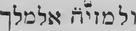 , « ob prœstantiam regis », qui nous paraît préférable, quoiqu’elle ne se trouve que dans un seul de nos mss. (suppl. hébr. n° 63) ; tous les autres ont ולמיזה̈, mais le mot
 ne se trouve pas dans les dictionnaires.
- 6 C’est-à-dire, le péché que la Loi leur attribue consiste en une décision légale erronée qui sert de règle de conduite à chaque particulier. Le mot צבור, communauté, a ici le sens du mot biblique עדה, par lequel, dans les passages bibliques relatifs à ces sacrifices, les rabbins entendent le grand tribunal ou Synhédrin. Voy. ci-dessus, p. 328, note 2.
- 1 Voy. Lévitique, chap. IV, v. 4 et 14.
- 2 Voy. Nombres, chap. XV, v. 24 : ושעיר עזים אחד לחטאת, et un bouc (c.-à-d. un mâle) comme sacrifice de péché, outre le taureau qui est un holocauste. L’auteur, contrairement à la tradition dont nous avons parlé dans les notes précédentes, paraît admettre que le grand prêtre aussi offre un bouc (un mâle), et non pas une chèvre (une femelle). — Ayant posé en principe que le péché le plus grave est expié par un sacrifice de moindre valeur, l’auteur croit devoir indiquer une raison pourquoi le roi, le grand prêtre et le grand tribunal font exception à la règle et offrent un mâle du menu bétail, ou même un taureau.
- 3 Voy. Lévitique, chap. V, v. 15, 18 et 25 ; chap. XIV, v. 12-13 ; chap. XIX, v. 21-22 ; Nombres, chap. VI, v. 12. Sur les différences entre le ’Hattath et le Ascham, voy. mes Réflexions sur le culte des anciens Hébreux, p. 34-35 ; Palestine, p. 160 b.
- 4 L’auteur veut dire que, pour l’holocauste qui ne suppose point de péché et qui est souvent un sacrifice volontaire offert à Dieu, on a préféré le mâle. Voy. Lévitique, chap. I, v. 3 et 10 ; pour les oiseaux seuls, on ne distingue pas le sexe (ibid., v. 14), et on peut aussi bien offrir en holocauste une femelle qu’un mâle. Cf. Talmud de Babylone, traité Mena’hoth, fol. 25 a ; Temourâ, fol. 14 a ; Maïmonide, Mischné Torâ, liv. VIII, traité Issouré Mizbea’h, chap. III, §1.
- 5 Mot à mot : parce qu’elle est également un soupçon de péché ; c’est-à-dire, parce que cette dernière offrande a pour motif un soupçon de péché. Le suffixe dans לאנהא ne se rapporte qu’à מנחת סוטה, tandis que le suffixe dans תקריבהא se rapporte aux deux offrandes. Voy. Lévitique, ch. V, v. 11, et Nombres, ch. v, v. 15. Cf. mes Réflexions, etc., p. 39, et Palestine, p. 163 b.
- 1 Mot à mot : c’est donc comme si elle avait été mue au repentir, et (comme si) on lui disait. Le verbe חרך doit être lu évidemment au passif
 ; la traduction d’Ibn-Tibbon, וכאלו יעירהו זה, me paraìt inexacte ; de même celle d’Al-’Harîzi qui a וכאלו הוא מעיר.
- 2 La version d’Ibn-Tibbon porte : כבר נמשכו טעמי אלו החקים כלן על סדר ; au lieu de החקים, les mss. ont plus exactement : החלקים. Al-’Harîzi traduit : והנה באו כל אלה הפרטים על סדר.
The greater the sin which a person had committed, the lower was the species from which the sin-offering was brought. The offering for worshipping idols in ignorance was only a she-goat, whilst for other sins an ordinary person brought either a ewe-lamb or a she-goat Leviticus IV:27-35, the females bring, as a rule, in every species, inferior to the males. There is no greater sin than idolatry, and also no inferior species than a she-goat. The offering of a king for sins committed ignorantly was a he-goat ibid. vers. 22-26, as a mark of distinction. The high priest and the Synhedrion, who only gave a wrong decision in ignorance, but have not actually committed a sin, brought a bull for their sin-offering ibid. ver. 3-21, or a he-goat, when the decision referred to idolatry Numbers XV:27-26. The sins for which guilt-offerings were brought were not as bad as transgressions that required a sin-offering. The guilt-offering was therefore a ram, or a lamb, so that the species as well as the sex were superior in this latter case, for the guilt-offering was a male sheep. For the same reason we see the burnt-offering, which was entirely burnt upon the altar, was selected from the superior sex; for only male animals were admitted as burnt-offerings. It is in accordance with the same principle that luxury and incense were absent from the oblations of a sinner Leviticus V.11, and of a sotah, i.e., a woman suspected of adultery Numbers V:15. In these cases the oil and the frankincense were not added: this luxury was absent, because the persons that brought the oblation were not good and proper in their deeds, and they are, as it were, to be reminded by their offerings that they ought to repent; as if they were told, “Your offering is without any ornamental addition on account of the wickedness of your deeds.” As the sotah acted more disgracefully than any person who sins in ignorance, her offering consisted of the lowest kind, viz., of barley flour ibid.. Thus the reasons of all these particular laws are well connected, and show that the precepts are wonderful in their significance.
- חלק ג׳ פרק כ״ו מול חלק ג׳ פרק מ״ו בינה מלאכותית
- פרטי הקרבנות – מין הבהמה ומינה (זכר או נקבה) לפי חומרת החטא – יש להם טעמים מסודרים ונפלאים.
- לפרטי הקרבנות – איזה מין בהמה ואיזה מספר – אין עילה כלל, והמבקש להם סיבה משתגע.
וקד ד'כרוא אלחכמים אן אלעלה פי כון אלקרבן ביום השמיני של מלואים עגל בן בקר לחטאת לכפר על מעשה העגל וכד'לך חטאתו של יום הכפורים פר בן בקר לחטאת לכפר על מעשה העגל. ובחסב הד'א אלמעני אלד'י ד'כרוה יבדו לי אן אלעלה פי כון אלחטאות כלהא ליחיד ולצבור שעירים אעני שעירי הרגלים ושעירי ראשי חדשים ושעירי יום הכפורים ושעירי עבודה זרה עלהֵ ד'לך ענדי כון מעט'ם עציאנהם חיניד' בתקריבהם לשעירים כמא בין אלנץ ולא יזבתו עוד את זבחיהם לשעירים אשר הם זונים אחריהם. אמא אלחכמים ז"ל פג'עלוא עלהֵ אטראד כון כפרת צבור בשעירים לעציאן עדת ישראל כלהם אולא בשעיר עזים ישירון אלי ביע יוסף הצדיק אלמקול פי קצתה וישחטו שעיר עזים וגו' ולא תסתצ'עף הד'ה אלעלה לאן גאיהֵ כל הד'ה אלאפעאל ליסתקר פי נפס כל עאץ אנה יחתאג' אן יתד'כר ויד'כר בד'נבה דאימא כמא קאל וחטאתי נגדי תמיד ואנה ילזמה אסתגפאר ד'לך אלד'נב הו ונסלה ונסל נסלה בטאעה תכון מן נוע תלך אלמעציה אריד בד'לך אנה אן כאנת אלמעציה מן מאל בד'ל מאלה פי אלטאעה ואן כאנת אלמעציה פי לד'את ג'סמה אתעב ג'סמה ואשקאה פי אלטאעה באלציאם וקיאם אלליל ואן כאנת אלמעציה כ'לקיה קאבלהא בצ'ד ד'לך אלכ'לק כמא בינא פי הלכות דעות וגירהא. ואן כאנת אלמעציה נט'ריה אעני אן יעתקד ראיא גיר צחיח לקצורה ותואניה ען אלבחת' ואלאנפראד ללנט'ר קאבל ד'לך בתעטיל פכרתה וכפהא ען אלפכרה פי שי מן אמור אלדניא אלא פי מעקול פקט ופי תחריר מא ינבגי אן יעתקד נחו קולה ויפת בסתר לבי ותשק ידי לפי ד'לך מת'אל ען אלכף ואלוקוף ענד אלשבהה כמא בינא פי אול הד'ה אלמקאלה כמא תראה פעל באהרן למא עת'ר במעשה העגל כאן קרבאנה הו וכל מן קאם מן נסלה מקאמה בתקריב פר ועגל ולמא כאנת אלמעציה בשעיר עזים כאנת אלטאעה בשעיר עזים פאד'א תקררת הד'ה אלמעאני פי אלנפס כאן ד'לך בלא שך מוג'בא לאסתעט'אם אלמעציה ואג'תנאבהא חתי לא יקע אלשכ'ץ פיהא פיחתאג' אלי אסתגפאר טויל ושאק וקד לא תכמל אלמגפרה פיג'תנב אלעציאן מן אול אלאמר ויהרב מנה והד'ה פאידה בינה ג'דא פחצל הד'א אלגרץ' איצ'א.
וכבר זכרו ה׳חכמים׳ טעם היות ה׳קרבן ביום השמיני של מלואים׳ – עֵגֶל בֶּן בָּקָר לְחַטָּאתויקרא ט,ב – ׳לכפר על מעשה העגל׳. וכן ׳חטאתו של יום הכפורים׳ – פַר בֶּן בָּקָר לְחַטָּאתויקרא טז,ג – ׳לכפר על מעשה העגל׳. ולפי זה הענין אשר זכרוהו יראה לי – שהטעם בהיות ה׳חטאות׳ כולם ׳ליחיד ולציבור׳ ׳שעירים׳ – רצוני לומר: ׳שעירי הרגלים ושעירי ראשי חדשים ושעירי יום הכיפורים ושעירי עבודה זרה – סיבת כל אלו אצלי היות רוב מריים וחטאתם אז בהקריבם ל׳שעירים׳ – כמו שבאר הכתוב: וְלֹא יִזְבְּחוּ עוֹד אֶת זִבְחֵיהֶם לַשְּׂעִירִים אֲשֶׁר הֵם זוֹנִים אַחֲרֵיהֶםויקרא יז,ז. אבל ה׳חכמים ז״ל׳ שמו טעם היות ׳כפרת צבור׳ לעולם ב׳שעירים׳ – בעבור שחטא ׳עדת ישראל׳ כולה היה ב׳שעיר׳ עיזים – רמז למכירת ׳יוסף הצדיק׳ שנאמר בענינו: וַיִּשְׁחֲטוּ שְׂעִיר עִיזִּים וגו׳בראשית לז,לא. ולא יהיה זה הטעם חלוש בעיניך, כי כונת כל אלו הפעולות – לישב בנפש כל חוטא וכל איש מרי שצריך לזכור ולהזכיר חטאו תמיד – כמו שאמר וְחַטָּאתִי נֶגְדִּי תָמִידתהלים נא,ה; ושצריך כפרה על החטא ההוא הוא וזרעו וזרע זרעו בעבודה שתהיה ממין המרי ההוא – ארצה בזה שאם יהיה המרי בממון – יפזר ממונו בעבודה; ואם יהיה המרי בהנאות גופו – ייגע גופו ויטריחהו בעבודת העינוי והצום ולקום בלילות; ואם יהיה המרי במדה מן המדות – יעמוד כנגדה בהפך המדה ההיא – כמו שבארנו ב״הלכות דעות״ וזולתם; ואם יהיה המרי בעיון – רצוני לומר: שיאמין דעת בלתי אמיתי לקוצר יד שכלו והתרשלו מן החקירה וההתיחד לעיון – יעמוד כנגדו בפנות מחשבתו מכל דבר בעניני העולם רק במושכל לבד, ודקדק במה שצריך שיאמן באמת – כאמרו: וַיִּפְתְּ בַּסֵּתֶר לִיבִּי וַתִּשַּׁק יָדִי לְפִיאיוב לא,כז – והוא משל על ההפסק והעמידה אצל הספק – כמו שבארנו בתחילת זה המאמר. כמו שתראה מה שנעשה באהרן כאשר נכשל ב׳מעשה העגל׳ – היה קרבנו וקרבן כל מי שקם מזרעו תחתיו – ׳פר ועגל׳; וכאשר היה המרי ב׳שעיר עיזים׳ היתה העבודה ב׳שעיר עיזים׳. – וכאשר יתישבו אלו הענינים בנפש – יהיה מביא בלא ספק להיות המרי קשה בעיני האדם ויזהר ממנו – עד שלא יכשל אדם בו ויצטרך לכפרה ארוכה וטורח ואפשר שלא תשלם הכפרה – וישמר האדם בעבור זה מן החטא מתחילת הענין ויברח ממנו – וזאת תועלת מבוארת מאד. והעלה בידך זאת הכונה גם כן.
- חיבור אחר: Mishneh Torah, Laws of Character Traits; Eight Chapters, Hilkhot De'ot 2:2; Eight Chapters, ch. 4 בינה מלאכותית
- → א׳, ה׳ אפודי · הערת מונק
Les docteurs disent que la raison pourquoi, au huitième jour de l’installation (des prêtres), on offrait « un jeune veau comme sacrifice de péché » Lévitique IX, 2, c’était de faire expiation du veau d’or, et que de même le sacrifice de péché du jour des expiations était « un jeune taureau pour le péché » ibid., XVI, 3, pour faire expiation du veau d’or. Conformément à l’idée qu’ils ont exprimée, il me semble que la raison pourquoi tous les sacrifices de péché, tant pour le particulier que pour la communauté, étaient des boucs, — je veux parler des boucs offerts aux fêtes, aux néoménies et au jour des expiations, ainsi que des boucs offerts pour le péché d’idolâtrie, — la raison en est, dis-je, que leur principal péché alors était d’offrir des sacrifices aux boucs (démons), comme le dit expressément le texte de l’Écriture : et afin qu’ils n’offrent plus leurs sacrifices aux boucs (démons) « vers lesquels ils se laissent entraîner » Lévitique XVII, 7. Quant aux docteurs, ils pensent que la raison pourquoi l’expiation des péchés de la communauté se faisait constamment par le sacrifice des boucs, c’était que le bouc se rattache au péché que toute la communauté d’Israël avait commis jadis. Ils font allusion à la vente de Joseph le juste, dans l’histoire duquel il est dit : « Ils égorgèrent un bouc, etc. » Genèse XXXVII, 31. Il ne faut point considérer cette raison comme faible ; car ce que toutes ses actions ont pour but, c’est que chaque pécheur soit convaincu qu’il doit toujours se souvenir de son péché et le confesser, comme il est dit : « Et mon péché est continuellement devant moi » Psaume LI, 5, et qu’il doit chercher, lui et sa postérité, à obtenir le pardon de ce péché par un acte religieux de la même espèce que le péché lui-même. Voici ce que je veux dire : S’il a péché dans une affaire d’argent, l’acte réparateur doit consister aussi en un sacrifice d’argent ; s’il a péché par des jouissances corporelles, il doit s’imposer un acte religieux qui fatigue et afflige son corps, en jeûnant et en veillant la nuit ; s’il a commis un péché moral, il doit le réparer par un acte moral opposé, comme nous l’avons exposé dans le traité Déôth (des mœurs) et ailleurs. Enfin, s’il a commis une faute spéculative, c’est-à-dire si, par son incapacité ou sa négligence à se livrer à la recherche et à la spéculation, il a admis une idée fausse, il doit la combattre, en la banissant de son esprit et en empêchant celui-ci de penser à rien de mondain, pour ne s’occuper que des choses de l’intelligence et de l’examen sérieux des choses qu’il faut croire. C’est à peu près dans ce sens qu’il a été dit : « Si mon cœur a été secrètement séduit, ma main s’est appliquée sur ma bouche » Job XXXI, 27, ce qui est une expression allégorique signifiant qu’on doit s’abstenir et s’arrêter devant ce qui est obscur, comme nous l’avons exposé dans le premier livre de ce traité. Ainsi, tu vois que lorsque Aaron eut failli en faisant le veau d’or, il lui fut imposé, à lui et à tous ceux de sa race qui devaient le remplacer, d’offrir un taureau et un jeune veau. De même, là où le péché est rais en rapport avec un bouc, l’acte religieux s’accomplissait au moyen d’un bouc. Si l’âme est bien pénétrée de ces idées, l’homme sera conduit par là à avoir en horreur le péché et à s’en éloigner, afin de ne pas être obligé, en y tombant, de se soumettre à une expiation longue et pénible ; parfois même l’expiation ne pourra être accomplie, de sorte que l’homme évitera d’avance le péché et le fuira, ce qui évidemment est d’une grande utilité. Il faut te bien pénétrer de ce sujet.
- 3 Voy. la note 2 de la page précédente.
- 1 Voy. Yalkout, au Lévitique, chap. IX, v. 2, n° 521 (d’après le Tôrath Kohanim) : יש בידכם בתחלה וישחטו שעיר עזים יבא שעיר ויכפר על מעשה שעיר.
- 2 Voy. Mischné Torâ, liv. I, traité De’ôth, chap. II, §2, et Commentaire sur la Mischnâ, Huit Chapitres, servant d’Introduction au traité Abôth, chap. IV, où l’auteur cite pour exemple le vice de la parcimonie ou de l’avarice, qu’il faut guérir par le vice opposé de la prodigalité, afin de faire acquérir aux parcimonieux la vertu intermédiaire de la générosité (voy. Pococke, Porta Mosis, p. 198-199). Cf. le t. II, p. 285, note 1.
- 3 Ibn-Tibbon n’a pas rendu les mots
 ; Al-’Harîzi traduit : יקביל אותה בביטול מחשבותיו ולהשבית זממיו מחשוב בדבר מעניני העולם. Le mot ויחשוב qui suit dans les éditions de la version d’Ibn-Tibbon est de trop et ne se trouve pas dans les mss. de cette version.
- 1 Nous traduisons ce passage d’après le sens que paraît lui donner Maïmonide. Selon lui, l’expression ma main a baisé ma bouche signifie : j’ai mis ma main sur ma bouche en signe de silence. Job veut dire qu’il a gardé le silence et qu’il a étouffé les sentiments secrets de son cœur qu’éveillait en lui l’éclat du soleil et de la lune.
- 2 Selon Éphôdi, l’auteur ferait ici allusion à ce qu’il a dit au chap. V de la Ire partie (p. 47) : « Il ne devra rien trancher selon une première idée qui lui viendrait, ni laisser aller ses pensées tout d’abord en les dirigeant résolûment vers la connaissance de Dieu ; mais il devra y mettre de la pudeur et de la réserve, et s’arrêter parfois, afin de s’avancer peu à peu. » Ibn-Caspi croit que l’auteur a en vue un passage de l’Introduction (p. 10) : « La vérité tantôt nous apparaît de manière à nous sembler claire comme le jour, etc. » Il me semble que les deux commentateurs ont été induits en erreur par la version d’Ibn-Tibbon qui rend les mots arabes פי אול הדׄה אלמקאלה̈ par בתחלת זה המאמר « au commencement de ce traité » ; de même Al-’Harîzi : בתחלת זה הספר. Mais je crois que ces mots signifient : « dans le (livre) premier de ce traité », et que l’auteur veut parler de ce qu’il a dit au ch. XXXII, p. 110 : « Si tu t’arrêtes devant ce qui est obscur, si tu ne t’abuses pas toi-même en croyant avoir trouvé la démonstration pour ce qui n’est pas démontrable, si tu ne te hâtes pas de repousser et de déclarer mensonge quoi que ce soit dont le contraire n’est pas démontré, et qu’enfin tu n’aspires pas à la perception de ce que tu ne peux pas percevoir, alors tu es parvenu à la perception humaine, etc. » Je ferai observer qu’au commencement de ce passage, l’auteur dit dans l’original arabe : אן וקפת ענד אלשבהה̈, expression qui correspond à celle que nous avons ici : אלוקוף ענד אלשבהה̈.
- 1 Voy. Lévitique, chap. IX, v. 2, et chap. XVI, v. 3. Les mots et à tous ceux de sa race qui devaient le remplacer ne se rapportent qu’au taureau, dont il est question dans le second passage ; car le sacrifice d’un veau, dont parle le premier passage, ne fut imposé qu’à Aaron seul.
- 2 Voy. ci-devant, p. 378, note 1.
- 3 C’est-à-dire, parfois l’homme reconnaîtra d’avance qu’il sera incapable d’accomplir l’expiation.
Our Sages say that the offering for the eighth day of dedication was “a calf, a young bullock, for a sin-offering” Leviticus XI:2, in order to atone for the sin of the Israelites in making a golden calf. The sin-offering, which was brought on the Day of Atonement ibid. XVI:3, was likewise explained as being an atonement for that sin. From this argument of our Sages I deduce that he-goats were always brought as sin-offerings, by individual persons and also by the whole congregation, viz., on the Festivals, New-moon, Day of Atonement, and for idolatry, because most of the transgressions and sins of the Israelites were sacrifices to spirits (se‘irim, lit., goats), as is clearly stated, “They shall no more offer their sacrifices unto spirits” Leviticus XVII:7. Our Sages, however, explained the fact that goats were always the sin-offerings of the congregation, as an allusion to the sin of the whole congregation of Israel: for in the account of the selling of the pious Joseph we read, “And they killed a kid of the goats” Genesis XXXVII:31. Do not consider this as a weak argument; for it is the object of all these ceremonies to impress on the mind of every sinner and transgressor the necessity of continually remembering and mentioning his sins. Thus the Psalmist says, “And my sin is ever before me” Psalm LI:3. The above-mentioned sin-offerings further show us that when we commit a sin, we, our children, and the children of our children, require atonement for that sin by some kind of service analogous to the sin committed. If a person has sinned in respect to property he must liberally spend his property in the service of God; if he indulged in sinful bodily enjoyments he must weary his body and trouble it by a service of privation and fasting, and rising early before daybreak. If he went astray in respect to his moral conduct he must oppose his failings by keeping to the opposite extreme, as we have pointed out in Mishneh-torah Hilkot De‘ot (chap. ii.) et passim. If his intellectual faculties have been concerned in the sin, if he has believed something false on account of the insufficiency of his intellect, and his neglect of research and proper study, he must remedy his fault by turning his thoughts entirely away from worldly affairs, and directing them exclusively to intellectual exercise, and by carefully reflecting on that which ought to form the subject of his belief. Comp. “And my heart hath been secretly enticed, but my hand touched my mouth” Job XXXI:27. These words express figuratively the lesson that we should pause and stop at that which appears doubtful, as has been pointed out by us in the beginning of this treatise. The same we notice in the case of Aaron. He had his share in the sin of the golden calf, and therefore a bullock and a calf were brought by him and his successors as an offering. Similarly, the sin connected with a kid of goats was atoned for by a kid of goats. When this theory has been well established in the minds of the people, they must certainly be led by it to consider disobedience to God as a disgraceful thing. Every one will then be careful that he should not sin, and require a protracted and burdensome atonement; he will be afraid he might not be able to complete it, and will therefore altogether abstain from sinning, and avoid it. This object [of the laws under discussion] is very clear, and note it likewise.
וקד ראית אן אנבהך הנא עלי אמר גריב ג'דא ואן כאן ט'אהרה אנה ליס מן גרץ' אלמקאלה וד'לך קולה פי שעיר חטאת ראש חדש כ'אצה חטאת לי"י מא לם יקל פי שעירי הרגלים כלהא ולא פי גירהא מן אלחטאות ועלהֵ ד'לך בינה ענדי ג'דא וד'לך אן הד'ה אלקרבנות אלתי יקרבהא אלצבור פי אלפצול אעני אלמוספים הי כלהא עולות ופי כל יום מנהא שעיר עזים לחטאת והו יוכל אמא אלעולות פהי כלהא תחרק ולד'לך יצרח פיהא אשה לי"י ולא יקאל חטאת לי"י ולא שלמים לי"י לכון ד'לך יוכל. וחתי אלחטאות אלתי תחרק פלא יסוג אן יקאל פיהא אשה לי"י כמא סאבין עלהֵ ד'לך פי הד'א אלפצל פלד'לך לא יתצור אן יקאל פי שעירים חטאת לי"י לכונהא תוכל לא תחרק בג'מלתהא. ולמא תוקע אן יתכ'יל פי שעיר ראש חדש אנה קרבאן ללקמר כמא כאנת תפעל קבט מצר מן אלתקריב ללקמר פי אואיל אלשהור בין פיה אן הד'א לאמר אללה לא ללקמר ולא יתוקע הד'א אלתוקע פי שעירי הרגלים וגירהא אד' ותלך אלאיאם ליסת אואיל שהור ולא להא עלאמה תמיזהא טביעיה בל אלשריעה פרצ'תהא באלוצ'ע אמא אואיל אלשהור אלקמריה פליסת מן וצ'ע אלשריעה בל אלמלל כאנת תקרב פיהא ללקמר כמא כאנוא יקרבון ללשמס ענד טלועהא וענד חלולהא בדרג' מעלומה כמא שהר פי תלך אלכתב פלהד'א שדת אלעבארה פי הד'א אלשעיר וקיל פיה לי"י לאזאלהֵ תלך אלאוהאם אלמתעלקה בתלך אלקלוב אלמריצ'ה אלמסתחכמהֵ אלמרץ. פאעלם הד'ה אלעג'יבה איצ'א.
והנה, ראיתי להעירך הנה על ענין נפלא מאד ואף על פי שפשוטו יראה שאינו מענין המאמר – והוא אמרו ב׳שעיר חטאת ראש חודש׳ לבד חַטָּאת לַייבמדבר כח,טו – מה שלא נאמר ב׳שעירי הרגלים׳ כולם ולא בזולתם מן ה׳חטאות׳. וטעמו מבואר אצלי מאד, והוא שאלו ה׳קרבנות׳ אשר יקריבום ה׳ציבור׳ לפרקים – רצוני לומר: ה׳מוספים׳ – הם כולם ׳עולות׳; ובכל יום ויום מהם ׳שעיר עיזים לחטאת׳ – והוא היה נאכל, אבל ה׳עולות׳ כולם נשרפות, ולזה באר בהם אִשֶּׁה לַייויקרא כג,ח ולא אמר: ׳חטאת ליי׳ ולא ׳שלמים ליי׳ מפני שהיו נאכלים – עד שה׳חטאות׳ שהיו נשרפות לא היו ראויים שיאמר בהם ׳אשה ליי׳ – כמו שאבאר טעמו בזה הפרק, ולזה לא יצויר שיאמר ב׳שעירים׳ ׳חטאת ליי׳. בהיותם נאכלים לא נשרפים כולם. וכאשר חשש שידמו ב׳שעיר ראש חודש׳ שהוא קרבן ללבנה, כמו שהיו עושים המצריים מהקריב ללבנה בראשי החדשים, באר בו שזה – למצות האלוה לא ללבנה. ואין לחוש זה החשש ב׳שעירי הרגלים׳ ולא בזולתם, אחר שהימים ההם אינם ראשי חדשים, ואין להם סימן טבעי יבדילם, אבל התורה נתנה אותם בהסכמה; אבל ראשי החדשים של לבנה אינם מהנחת התורה, והאומות היו מקריבים בהם לירח, כמו שהיו מקריבים לשמש בעת זריחתו ובעת בואו במעלות ידועות. – כמו שהתפרסם בספרים ההם. ומפני זה חידש הלשון בזה ה׳שעיר׳ ונאמר בו ׳ליי׳, להסיר המחשבות ההם הנתלות בלבבות ההם החולים חליים נאמנים. – ודע זאת הפליאה גם כן.
- → בפרק זה, פסקה 19 בינה מלאכותית
Je crois devoir appeler ici ton attention sur une chose trèsremarquable, bien qu’elle puisse paraître étrangère au but de ce traité. Le bouc offert aux néoménies est seul appelé sacrifice de péché A L’ÉTERNEL Nombres XXVIII, 15, expression qui n’est employée ni pour aucun des boucs offerts aux fêtes, ni pour les autres sacrifices de péché, ce dont la raison, selon moi, est très-claire : c’est que les sacrifices que la communauté offrait à certaines époques, c’est-à-dire les sacrifices additionnels (des fêtes), étaient tous des holocaustes, et il y avait chaque jour un bouc comme sacrifice de péché. Ce bouc était mangé, tandis que les holocaustes étaient entièrement brûlés ; c’est pourquoi on les appelle expressément sacrifice igné A L’ÉTERNEL, tandis qu’on ne dit jamais ni sacrifice de péché A L’ÉTERNEL, ni sacrifice pacifique A L’ÉTERNEL, parce que ces sacrifices étaient mangés. Même les sacrifices de péché qui étaient brûlés ne pouvaient être appelés sacrifices ignés à l’Éternel, ce dont j’expliquerai la raison dans ce chapitre. On ne pouvait donc pas (à plus forte raison) appeler les boucs (des fêtes) sacrifices de péché à l’Éternel, car on en mangeait, et on ne les brûlait pas en entier. Mais, comme on pouvait craindre qu’on ne considérât le bouc des néoménies comme un sacrifice offert à la lune, à l’exemple des Égyptiens, qui offraient des sacrifices à la lune aux commencements des mois, il est dit expressément en parlant de ce bouc qu’il est consacré à Dieu, et non à la lune. On ne pouvait avoir cette crainte au sujet des boucs offerts aux fêtes et aux autres jours solennels, car ces jours n’étaient ni des commencements de mois, ni signalés par aucun phénomène de la nature, mais avaient été institués par les décrets de la Loi. Au contraire, les commencements des mois lunaires ne furent pas institués par la Loi ; mais les peuples offraient ces jours-là des sacrifices à la lune, de même qu’ils en offraient au soleil quand il se levait et quand il entrait dans certains degrés (de l’écliptique), comme on le sait par ces livres (des Sabiens). C’est pourquoi on emploie, en parlant de ce bouc (des néoménies), une expression particulière, en disant à l’Éternel, afin de détruire les erreurs qui étaient enracinées dans les cœurs gravement malades (des Israélites). Pénètre-toi bien de cette idée remarquable.
- 4 Voy., par exemple, Nombres, chap. XXVIII, v. 19 ; chap. XXIX, v. 13 et 36.
- 5 Voy., par exemple, Lévitique, chap. IV, v. 12 et 21.
- 1 Sur la célébration des néoménies chez les peuples de l’antiquité, voy. Spencer, liv. III, Dissert. IV (édition de Cambridge, 1685, p. 715 et suiv.) ; sur les Égyptiens, cf. Lepsius, Chronologie der Ægypter, t. I, p. 157, et ibid., note 3.
- 2 C’est-à-dire, aux trois grandes fêtes de la Pâque, de la Pentecôte et des Cabanes, et aux autres jours solennels, tels que le jour des Expiations et le premier jour du septième mois, auquel on offrait un bouc comme sacrifice de péché, outre celui des néoménies ordinaires. Voy. Nombres, chap. XXVIII, v. 21, 30 ; chap. XXIX, v. 5-6, 11, 16, 19, 22, 25, 28, 31, 34, 37.
- 3 Plusieurs mss. ont אלעבאדה̈ (avec daleth) au lieu de אלעבארה̈ (avec resch) ; la version d’Ibn-Tibbon, qui a חדש הלשון, est favorable à la leçon que nous avons adoptée.
I will here call your attention to a very remarkable thing, although it does not seem at first thought to belong to our subject. It is only the goat brought on New-moon as a sin-offering that the law calls “a sin-offering unto the Lord” Numbers XXVIII:15. The sin-offerings brought on the three festivals (ibid. vers. 22, 30; 29:5, 11, etc.) are not called so, nor are any other sin-offerings. The reason thereof is, according to my opinion, undoubtedly this: The additional offerings brought by the congregation at certain periods were all burnt-offerings; only “one kid of goats to make an atonement” was offered on every one of these exceptional days. The latter was eaten [by the priests], whilst the burnt-offerings were entirely consumed by fire, and are called “an offering made by fire unto the Lord.” The phrases “a sin-offering unto the Lord” and “a peace-offering unto the Lord” do not occur in the law, because these were eaten by man; but even those sin-offerings that were entirely burnt (Leviticus IV:12, 21) cannot be called “an offering made by fire unto the Lord,” as will be explained in the course of this chapter. It is therefore impossible that the goats which are eaten [by the priests], and are not entirely burnt, should be called “sin-offerings unto the Lord.” But as it was found that the kid offered on New-moon might be mistaken as an offering brought to the moon, in the manner of the Egyptians, who sacrificed to the moon on the days of New-moon, it was distinctly stated that this goat is offered in obedience to God’s command, and not in honour of the moon. This fear did not apply to the sin-offerings on the Festivals, nor to any other sin-offering, because they were not offered on the days of New-moon, or on any other day marked out by Nature, but on such days as were selected by the Divine Will. Not so the days of New-moon: they are not fixed by the Law [but by Nature]. On the New-moon the idolaters sacrificed to the moon, in the same manner as they sacrificed to the sun when it rose and set in certain particular degrees. This is described in the works [mentioned above]. On this account the extraordinary phrase “A sin-offering unto the Lord” is exceptionally introduced in reference to the goat brought on New-moon, in order to remove the idolatrous ideas that were still lingering in the sorely diseased hearts. Note this exception likewise.
ואעלם אן כל חטאת יעתקד פיהא אנהא תסתגפר את'אמא עט'ימה או את'מא עט'ימא מת'ל חטאת העלם ונחוהא פאנהא תחרק כלהא מחוץ למחנה לא עלי אלמזבח לאן לא יחרק עלי אלמזבח אלא אלעולה ומא אשבההא ולד'לך סמי מזבח העולה לאן קתאר אלעולה ריח ניחח וכד'לך כל אזכרה ריח ניחח וכד'לך הו בלא שך לאנה לאזאלהֵ ארא עבודה זרה כמא בינא. ואמא חרק הד'ה אלחטאות פאלקצד בה אן הד'א אלד'נב קד אמתחי את'רה ועדם כמא עדמת הד'ה אלג'ת'ה אלמחרוקה ולם יבק מן ד'לך אלפעל את'ר כמא לם יבק להד'ה אלחטאת את'ר אלא תלפת באלחרק פליס קתארהא ריח ניחח לי"י בל צ'ד ד'לך אעני אנה דכ'אן יכרה וישנא פלד'לך תחרק כלהא מחוץ למחנה. אלא תרי מנחת שוטה אי שי קיל פיהא מנחת זכרון מזכרת עון לא אנהא שי מרצ'י.
ודע, שכל ׳חטאת׳ שיאמן בו שהוא מכפר חטאים גדולים או חטא גדול, כמו ׳חטאת העלם׳ וכיוצא בו, הם נשרפים כולם ׳מחוץ למחנה׳ לא על ה׳מזבח׳ – כי לא ישרף על ה׳מזבח׳ אלא ה׳עולה׳ והדומה לה; ומפני זה נקרא מִזְבֵּחָ הָעוֹלָהויקרא א,ט כי שרפת ה׳עולה׳ – ׳ריח ניחוח׳; וכן כל ׳אזכרה׳ – ׳ריח ניחוח׳ וכן הוא בלא ספק – מפני שהוא להסיר דעות ׳עבודה זרה׳ – כמו שבארנו. אמנם שרפת אלו ה׳חטאות׳ הכונה בהם – שזה החטא כבר נמחה זכרו ונעדר כמו שנעדר זה הגוף הנשרף, ולא נשאר מן המעשה ההוא זכר, כמו שלא נשאר לזה ה׳חטאת׳ זכר, אבל אבד בשרפה; ואין עשנם ׳ריח ניחוח ליי׳ אבל הפכו – רצוני לומר: עשן נמאס ונתעב – ומפני זה נשרפים כולם ׳מחוץ למחנה׳. הלא תראה ׳מנחת שוטה׳ – מה נאמר בה? מִנְחַת זִכָּרוֹן מַזְכֶּרֶת עָוֺןבמדבר ה,טו – לא שהיא דבר מרצה.
- → בפרק זה, פסקה 2 בינה מלאכותית
- → ג׳, ל״ב בינה מלאכותית
Il faut savoir aussi que tout sacrifice de péché, par lequel on croit expier de grands péchés, ou même un seul péché, comme, par exemple, le sacrifice pour le péché d’ignorance et d’autres semblables, est brûlé en entier, hors de l’enceinte, et non sur l’autel ; car on ne brûlait sur l’autel que l’holocauste et ce qui lui ressemble, et c’est pour cela qu’il est appelé « autel de l’holocauste » (Exode XXX, 28 et passim). En effet, l’holocauste brûlé était (considéré comme) une odeur agréable à Dieu, et de même toute Azcarâ offrait une odeur agréable à Dieu. Il devait indubitablement en être ainsi, puisque cette cérémonie devait détruire les croyances idolâtres, comme nous l’avons exposé. Mais l’usage de brûler ces sacrifices de péché (dont nous avons parlé) ne signifie autre chose, si ce n’est que la trace de tel péché était effacée et avait disparu comme ce corps qui venait d’être brûlé, et qu’il ne restait pas de trace de cette action, de même qu’il ne restait pas de trace de ce sacrifice de péché qui avait été détruit par les flammes. Par conséquent, celui-ci, quand on le brûlait, ne pouvait offrir une odeur agréable à Dieu ; mais, au contraire, c’était une fumée que Dieu devait détester et abhorrer ; c’est pourquoi il était entièrement brûlé hors de l’enceinte. Ne vois-tu pas qu’au sujet de l’offrande de la femme adultère, on dit que c’est une « offrande de rappel pour rappeler l’iniquité » Nombres V, 15, et non pas que ce soit une chose favorablement accueillie ?
- 1 C’est-à-dire, pour le péché commis par ignorance par la communauté d’Israël, ou par le grand tribunal, qui s’est trompé dans sa décision ; ce sacrifice tire son nom חטאת העלם דבר des mots ונעלם דבר (Lévitique, IV, 13). Voy. Mischnâ, IVe partie, traité Horayôth, chap. I, §2, et Maïmonide, Commentaire sur la Mischnâ, préface au même traité.
- 2 Par exemple, le sacrifice du grand prêtre qui avait péché (Lévit., IV, 12), et celui que le grand prêtre offrait au jour des expiations (ibid., XVI, 27).
- 3 Par exemple, l’offrande du prêtre (voy. ci-dessus, p. 369, note 1), ainsi que certaines parties des sacrifices et une portion des offrandes appelée אזכרה, souvenir (Lévit., II, 9, et passim).
- 4 Comme nous l’avons dit dans la note précédente, on appelait ainsi la portion de l’offrande qui était brûlée sur l’autel.
A sin-offering which is brought in the hope to atone for one or more great sins, as, e.g., the sin-offering [of the Synhedrion or the high-priest] for a sin committed in ignorance, and the like, are not burnt upon the altar, but without the camp; upon the altar only the burnt-offering, and the like, are burnt, wherefore it was called the altar of the burnt-offering. The burning of the holocaust, and of every “memorial,” is called “a sweet savour unto the Lord”; and so it undoubtedly is, since it serves to remove idolatrous doctrines from our hearts, as we have shown. But the burning of these sin-offerings is a symbol that the sin [for which the offering is brought] is utterly removed and destroyed, like the body that is being burnt; of the sinful seed no trace shall remain, as no trace is left of the sin-offering, which is entirely destroyed by fire: the smoke thereof is not “a sweet savour unto the Lord,” but, on the contrary, a smoke despised and abhorred. For this reason the burning took place without the camp. Similarly we notice that the oblations of a sotah is called “an offering of memorial, bringing iniquity to remembrance” Numbers V:15; it is not a pleasing thing [to the Lord].
ולמא כאן שעיר המשתלח לאסתגפאר את'אם עט'ימה באג'מעהא חתי אן ליס ת'ם חטאת צבור תסתגפר מא יסתגפר וכאנה חאמל אלאת'אם כלהא פלד'לך לם ימארס בד'בח ולא בחרק ולא בתקריב אצלא אלא יבעד בה גאיהֵ אלבעד וירמי לארץ גזרה אעני מנקטעהֵ אלעמראן. ולא ישך אחד באן אלאת'אם מא הי אג'סאמא תנקל מן עלי ט'הר שכ'ץ לשכ'ץ אכ'ר ואנמא הד'ה אלאעמאל כלהא אמת'לה לחצול צורה פי אלנפס חתי יחצל אלאנפעאל ללתובה אי אן כל מא תקדם מן אפעאלנא קד תברינא ענה ונבד'נאה כ'לף ט'הורנא ואקצינאה גאיהֵ אלאקצא.
וכאשר היה ׳שעיר המשתלח׳ – לכפרת חטאים גדולים כולם, עד שאין ׳חטאת ציבור׳ שיכפר מה שהוא מכפר, וכאילו הוא נושא כל החטאים – מפני זה לא נרצה לזביחה ולא לשריפה ולא להקרבה כלל, אלא הרחיקו תכלית ההרחקה ויושלך ל׳ארץ גזרה׳ – רצוני לומר: שאין בה ישוב. ואין ספק לאדם שהחטאים אינם משאות שיעתקו מגב איש אחד לגב איש אחר, אבל אלו המעשים כולם משלים להביא מורא בנפש עד שתתפעל לתשובה – כלומר: שכל מה שקדם ממעשינו נקינו מהם והשלכנום אחרי גוינו והרחקנום תכלית ההרחקה.
Le bouc émissaire étant destiné à l’expiation totale de grands péchés, de sorte qu’il n’existe aucun sacrifice public de péché qui en fasse expier autant que lui et qu’il emporte en quelque sorte tous les péchés, on ne devait point l’égorger, ni le brûler, ni l’offrir en sacrifice ; mais on devait l’éloigner autant que possible et le lancer dans une terre dite GUEZÉRA Lévitique XVI, 22, c’est-à-dire écartée des habitations. Il est indubitable pour tout le monde que les péchés ne sont point des corps qui puissent se transporter du dos d’un individu sur celui d’un autre. Mais tous ces actes ne sont que des symboles destinés à faire impression sur l’âme, afin que cette impression mène à la pénitence ; on veut dire : nous sommes débarrassés du fardeau de toutes nos actions précédentes, que nous avons jetées derrière nous et lancées à une grande distance.
- 1 Littéralement : on ne devait le traiter ni par l’action d’égorger, etc. ; c’est-à-dire, on ne devait lui appliquer aucun de ces trois modes. — Le verbe
 (IIIe forme de
 ) signifie traiter, manier ; la traduction d’Ibn-Tibbon, לא נרצה, et celle d’Al-’Harîzi, לא נצטוה, ne rendent pas exactement ce verbe. Le mot להקבר, dans les éditions de la version d’Ibn-Tibbon, est une faute ; les mss. ont להקרבה, et l’édition princeps l’abréviation להקר׳.
- 2 La version d’Ibn-Tibbon porte משאות, des fardeaux ; celle d’Al-’Harîzi a, conformément au texte arabe, גופות.
- 3 Littéralement : à laisser une image dans l’âme. Ibn-Tibbon a substitué au mot arabe צורה̈, image, le mot מורא, crainte.
The goat [of the Day of Atonement] that was sent [into the wilderness] (Leviticus XVI:20, seq.) served as an atonement for all serious transgressions more than any other sin-offering of the congregation. As it thus seemed to carry off all sins, it was not accepted as an ordinary sacrifice to be slaughtered, burnt, or even brought near the Sanctuary; it was removed as far as possible, and sent forth into a waste, uncultivated, uninhabited land. There is no doubt that sins cannot be carried like a burden, and taken off the shoulder of one being to be laid on that of another being. But these ceremonies are of a symbolic character, and serve to impress men with a certain idea, and to induce them to repent; as if to say, we have freed ourselves of our previous deeds, have cast them behind our backs, and removed them from us as far as possible.
אמא תקריב אלכ'מר פאנא חאיר פיה אלי אלאן כיף אמר בתקריבה וקד כאן עובדי עבודה זרה יקרבונה ולם יתג'ה לי פי ד'לך עלה ומן תעליל גירי אן קאל אן אג'וד מא ענד אלשהוה אלתי מעדנהא אלכבד הו אללחם ואג'וד מא ענד אלקוה אלחיואניה אלתי מעדנהא אלקלב הו אלכ'מר וכד'לך אלקוה אלתי מעדנהא אלדמאג והי אלנפסאניה תסתלד' באלאלחאן עלי אלאלאת פלד'לך תקרבת כל קוה ללה באחב שי אליהא פכאן אלקרבאן לחמא וכ'מרא וסמעא אעני אלשיר.
אבל הקרבת היין אני נבוך בו עד היום, איך ציוה להקריבו, וכבר היו ׳עובדי עבודה זרה׳ מקריבים אותו? ולא נראה לי בו טעם, אבל זולתי נתן לי בו טעם, שאמר כי הטוב שבדברים לכח התאוה אשר מבועה הכבד, הוא הבשר; והטוב שבדברים לכח החיוני אשר מבועו הלב, הוא היין; וכן הכח אשר מבועו המוח והוא הנפשי – יערב לו הניגון בכלים; ומפני זה התקרב כל כח אל האלוה בנאהב שבדברים לו, והיה הקרבן הבשר והיין ושמע קול – רצוני לומר: השיר.
Quant à l’offrande de vin, elle m’a laissé jusqu’à présent dans la perplexité. Comment se fait-il qu’on ait ordonné de faire cette offrande que présentaient aussi les idolâtres ; je n’ai point su m’en rendre compte ; mais un autre en a donné la raison que voici : La faculté d’appétition, qui a sa source dans le foie, ne trouve rien de meilleur que la viande ; la faculté vitale, qui a sa source dans le cœur, ne trouve rien de meilleur que le vin ; de même, la faculté qui a sa source dans le cerveau, c’est-à-dire la faculté psychique, jouit des chants accompagnés d’instruments. C’est pourquoi chaque faculté cherche à s’approcher de Dieu au moyen de la chose qu’elle aime le plus, de sorte qu’on offre (à Dieu) de la viande, du vin et des sons, c’est-à-dire des chants.
- 4 Sur les libations des Hébreux et des païens, voy. mes Réflexions, etc., p. 39 ; Palestine, p. 163 a.
- 1 Sur ces facultés et leur siége respectif, cf. t. I, p. 355, note 1, et ci-dessus, p. 80, note 4. La faculté physique est appelée ici l’appétition ; c’est celle que Platon appelle ἐπιθυμία. Cf. ma Notice sur R. Saadia Gaon, p. 9 et 10 (Bible, de M. Cahen, t. IX, p. 81 et 82).
As regards the offering of wine (Numbers XV:5, seq.), I am at a loss to find a reason why God commanded it, since idolaters brought wine as an offering. But though I am unable to give a reason, another person suggested the following one: Meat is the best nourishment for the appetitive faculty, the source of which is the liver; wine supports best the vital faculty, whose centre is the heart: music is most agreeable to the psychic faculty, the source of which is in the brain. Each one of our faculties approaches God with that which it likes best. Thus the sacrifice consists of meat, wine, and music.
ואמא פאידהֵ אלחג' פמעלומהֵ אלעלה למא יחצל מן ד'לך אלאג'תמאע מן אסתג'דאד אלשריעה בד'לך אלאנפעאל ומואכ'אהֵ אלנאס בעצ'הם לבעץ' ובכ'אצה מצות הקהל אלתי בינהֵ עלתהא למען ישמעו וגו' וכאן דמי מעשר שני ללנפקה הנאך כמא בינא וכד'לך נטע רבעי ומעשר בהמה פיכון הנאך לחום אלמעשר וכ'מור נטע רבעי ומעות מעשר שני פתכת'ר אלאגד'יה הנאך ולא יחל ביע שי מן הד'ה ולא תאכ'ירה מן וקת לוקת אלא כמא קאל תעאלי שנה בשנה וגו' פבאלצ'רורה יתצדק בה וקד אכד אלצדקה פי אלאעיאד וקאל ושמחת בחגך אתה ובנך ובתך ועבדך ואמתך והלוי והגר והיתום והאלמנה. פקד אתינא עלי אחאד הד'ה אלג'מלה ועלי ג'זאיאת כת'ירה מנהא:
וטעם תועלת החג הוא ידוע – למה שיגיע לאדם מן הקיבוץ ההוא, מהתחדש התורה בהפעלות ההוא והתאהב בני אדם וחברם קצתם אל קצתם; וכל שכן ׳מצות הקהל׳ אשר טעמה מפורש: לְמַעַן יִשְׁמְעוּ וגו׳דברים לא,יב. וכן ׳דמי מעשר שני׳ – להוציאם שם – כמו שבארנו. וכן ׳נטע רבעי׳ ו׳מעשה בהמה׳ יהיה שם אם כן בשר ה׳מעשר׳ ויין ׳נטע רבעי׳ ו׳מעות מעשר שני׳ כדי להרבות המזונות שם. ולא הותר למכור דבר מאלו ולא לאחרו מזמן לזמן, אלא כמו שאמר ית׳: שָׁנָה בְשָׁנָה וגו׳דברים יד,כב. – ועל כרחו יעשה בהם צדקה. וכבר הזהיר על הצדקה במועדים ואמר: וְשָׂמַחְתָּ בְּחַגֶּךָ אַתָּה וּבִנְךָ וּבִתֶּךָ וגו׳ וְהַגֵּר וְהַיָּתוֹם וְהָאַלְמָנָהדברים טז,יד – הנה זכרנו טעם פרטי זה הכלל וחלקים רבים מהם.
- → ג׳, ל״ט, פסקה 3 הערת מונק
Le pèlerinage a une utilité notoire ; ce qui lui sert de motif, c’est que cette réunion et l’impression qu’elle produit ont pour résultat un nouveau zèle pour la loi et la fraternité qui s’établit entre les hommes. Il en est ainsi surtout du commandement d’assembler le peuple, dont la raison est clairement indiquée : afin qu’ils écoutent, etc. L’argent qu’on donnait pour la seconde dîme était destiné à être dépensé là, comme nous l’avons exposé. Il en était de même du fruit de la quatrième année et de la dîme des bestiaux. Ainsi donc, on y avait la viande de la dîme, le vin de la quatrième année et l’argent de la seconde dîme, de sorte que les comestibles y étaient abondants ; car il n’était permis de rien vendre de tout cela, ni de l’ajourner d’une époque à une autre ; mais, comme a dit Dieu : « Chaque année » Deutéronome XIV, 22. On s’en servira donc nécessairement pour en faire l’aumône, et, en effet, on recommande énergiquement de faire l’aumône pendant les fêtes en disant : Tu te réjouiras en ta fête, « toi, ton fils, ta fille, etc., ainsi que l’étranger, l’orphelin et la veuve » ibid., XVI, 14. Maintenant, nous avons parcouru les commandements particuliers qui appartiennent à cette classe, et nous en avons touché beaucoup de détails.
- 2 L’auteur veut parler du commandement d’assembler tout le peuple, hommes, femmes et enfants, tous les sept ans, pour entendre la lecture de la Loi. Voy. Deutéron., ch. XXXI, v. 10-13. Le v. 12 commence par le mot הַקְהֵל, assemble.
- 3 C’est à-dire, dans le lieu de pèlerinage, ou à Jérusalem. La seconde dîme pouvait être rachetée ; mais l’argent devait être dépensé dans le lieu où se trouvait le sanctuaire central. Voy. Deutér., ch. XIV, v. 25 et 26. Sur les dîmes, voy. Palestine, p. 172.
- 4 Voy. ci-dessus, chap. XXXIX, p. 298.
- 5 Voy. ci-dessus, chap. XXXVII, p. 291, et ibid., note 1.
The use of keeping festivals is plain. Man derives benefit from such assemblies: the emotions produced renew the attachment to religion; they lead to friendly and social intercourse among the people. This is especially the object of the commandment to gather the people together on the Feast of Tabernacles, as is plainly stated: “that they may hear, and that they may learn and fear the Lord” Deuteronomy XXXI:12. The same is the object of the rule that the money for the second tithe must be spent by all in one place ibid. XIV:22-26, as we have explained (chap. xxxix. p. 184). The fruit of trees in their fourth year, and the tithe of the cattle, had to be brought to Jerusalem. There would therefore be in Jerusalem the meat of the tithes, the wine of the fruit of the fourth year, and the money of the second tithe. Plenty of food would always be found there. Nothing of the above things could be sold; nothing could be set aside for another year; the Law orders that they should be brought “year by year” Deuteronomy XIV:22; the owner was thus compelled to spend part of them in charity. As regards the Festivals it is especially enjoined: “And thou shalt rejoice in thy feast, thou, and thy son, and thy daughter, and thy man-servant, and thy maid-servant, and the Levite, the stranger, and the fatherless, and the widow” ibid. XVI:14. We have thus explained the reason of every law belonging to this class, and even many details of the laws.
מה מפנה לכאן
אין הפניה ידועה אל פרק זה.
מה שמפנה לכאן, לפי בינה מלאכותית
הטקסט אומר “כמו שבארנו” ואינו אומר היכן. בינה מלאכותית הציעה פרק זה כמקום המכוון.
- ג׳, מ״א § 12 «כמו שיתבאר» → § 8, § 9, § 10 ודאי בינה מלאכותית (ההסבר באנגלית)Forward to III.46.
- ג׳, מ״ח § 13 «כבר זכרנו באור התורה לטעם ׳כיסוי הדם׳ והיותו מיוחד ב׳חיה טהורה׳ ו׳עוף» ודאי הערת מונק
Voy. ci-dessus, chap. XLVI, p. 373.
(ההסבר באנגלית)The reason for covering the blood was given in III.46.