חלק א׳ פרק כ״ח
רגל אסם משתרך. הו אסם אלרג'ל רגל תחת רגל. ויקע איצ'א פי מעני אלתבע צא אתה וכל העם אשר ברגליך מענאה אלתאבעון לך. ויקע איצ'א במעני אלסבביה ויברך י"י אותך לרגלי בסבבי אי מן אג'לי אן אלאמר אלד'י הו מן אג'ל שי מא פד'לך אלשי סבב ללאמר והד'א כת'יר אלאסתעמאל לרגל המלאכה אשר לפני ולרגל הילדים.
׳רגל׳ – שם משתתף. הוא שם לרגל בעל החיים רֶגֶל תַּחַת רָגֶלשמות כא,כד. ויפול גם כן בענין ההמשך אחר הדבר: צֵא אַתָּה וְכָל הָעָם אֲשֶׁר בְּרַגְלֶיךָשמות יא,ח ענינו – הנמשכים אחריך. ויפול גם כן בענין הסבה וַיְבָרֶךְ יי אוֹתְךָ לְרַגְלִיבראשית ל,ל – בסבתי – כלומר: בגללי – כי הענין אשר הוא בגלל דבר אחר, הדבר ההוא סבה לענין ההוא – וזה נעשה הרבה לְרֶגֶל הַמְּלָאכָה אֲשֶׁר לְפָנַי וּלְרֶגֶל הַיְלָדִיםבראשית לג,יד.
Réghel רגל est un homonyme. C’est (primitivement) le nom du pied ; p. ex. : רגל תחת רגל, « pied pour pied » Exode XXI, 24 ; mais on le rencontre aussi dans le sens de suite ; p. ex. : Sors, « toi, et tout le peuple qui est sur tes pas ברגליך » Ibid., XI, 8, c’est-à-dire : qui te suit. On le rencontre également dans un sens de causalité ; p. ex. : « Et l’Éternel l’a béni sur mes pas לרגלי » Genèse XXX, 30, c’est-à-dire par ma cause ou en ma faveur, car ce qui se fait en faveur d’une certaine chose a cette dernière pour cause. On l’emploie souvent ainsi ; p. ex. : Au pas ou « à cause לרגל du bagage qui est devant moi et à cause לרגל des enfants » Genèse XXXIII, 14.
THE term regel is homonymous, signifying, in the first place, the foot of a living being; comp. “Foot for foot” Exodus XXI:24. Next it denotes an object which follows another: comp. “And all the people that follow thee” (lit. that are at thy feet) ib. XI:8. Another signification of the word is “cause”; comp. “And the Lord hath blessed thee, I being the cause” (leragli) Genesis XXX:30, i.e., for my sake; for that which exists for the sake of another thing has the latter for its final cause. Examples of the term used in this sense are numerous. It has that meaning in Genesis 33:14, “Because (leregel) of the cattle that goeth before me, and because (leregel) of the children.”
פקולה ועמדו רגליו ביום ההוא על הר הזיתים יריד בה ת'באת אסבאבה אעני אלעג'איב אלתי תט'הר חיניד' פי ד'לך אלמוצ'ע אלתי הו תעאלי סבבהא אעני פאעלהא ואלי הד'א אלתאויל ד'הב יונתן בן עזיאל ע"אס קאל ויתגלי בגבורתיה ביומא ההוא על טור זיתיא. וכד'א יתרג'ם כל ג'ארחהֵ בטש ותנקל גבורתיה לאנהא כלהא אלמראד בהא אלאפעאל אלצאדרה ען אראדתה.
אם כן, אמרו: וְעָמְדוּ רַגְלָיו בַּיּוֹם הַהוּא עַל הַר הַזֵּיתִיםזכריה יד,ד רצונו לומר: קיום סבותיו – כלומר: הנפלאות אשר יראו אז במקום ההוא אשר הוא ית׳ סבתם – כלומר: עושם. ואל זה הפרוש נטה יונתן בן עוזיאל ע״ה – אמר: ׳ויתגלי בגבורתיה ביומא ההוא על טור זיתיא׳; וכן יתרגם כל מעשה מגע והעתק ׳גבורתיה׳ מפני שהרצון בכלם – הפעולות הבאות ברצונו.
- 1 הערה תרגום העורך: "ויתגלה בכוחו ביום ההוא על הר הזיתים"
Ainsi, par ces paroles : « Et ses pieds רגליו se tiendront en ce jour sur la montagne des Oliviers » Zacharie XIV, 4, on veut dire que ses causes subsisteront, savoir, les miracles qui se manifesteront alors en cet endroit, et dont Dieu est la cause, je veux dire l’auteur. C’est cette interprétation qu’a eue en vue Jonathan-ben-Uziel en disant (dans sa paraphrase chaldaïque) : Il se manifestera dans sa puissance, en ce jour, sur la montagne des Oliviers ; et de même il traduit par גבורתיה, sa puissance, tous (les mots désignant) les membres (dont on se sert) pour saisir ou pour se transporter, car ils désignent généralement les actes qui émanent de sa volonté.
Consequently, the Hebrew text, of which the literal rendering is: “And his feet shall stand in that day upon the Mount of Olives” Zechariah XIV:4 can be explained in the following way: “And the things caused by him (raglav) on that day upon the Mount of Olives, that is to say, the wonders which will then be seen, and of which God will be the Cause or the Maker, will remain permanently.” To this explanation does Jonathan son of Uziel incline in paraphrasing the passage,” And he will appear in his might on that day upon the Mount of Olives. He generally expresses terms denoting those parts of the body by which contact and motion are effected, by “his might” [when referring to God], because all such expressions denote acts done by His Will.
אמא קולה ותחת רגליו כמעשה לבנת הספיר פתאויל אנקלוס פיה מא קד עלמת אנה ג'על צ'מיר רגליו עאידא אלי אלכסא פקאל ותחות כורסי יקריה. ואפהם ת'ם תעג'ב מן בעד אנקלוס ען אלתג'סים וכל מא יודי אליה ולו באבעד טריק לאנה לם יקל ותחות כורסיה לאנה אן נסב אלכסא לה עלי אלמעני אלמפהום אולא לזם כונה מסתויא עלי ג'סם ולזם אלתג'סים פנסב אלכסא ליקריה אעני ללשכינה אלתי הי נור מכ'לוק
אמנם אמרו: וְתַחַת רַגְלָיו כְּמַעֲשֵׂה לִבְנַת הַסַּפִּירשמות כד,י פרש אונקלוס בו כמו שידעת – שהוא שם כנוי ׳רגליו׳ שב אל הכסא, ואמר: ׳ותחות כורסי יקריה׳. והבן והפלא מהרחקת אונקלוס ההגשמה וכל המביא אליה, ואפילו בדרך רחוק – שהוא לא אמר: ׳ותחות כורסיה׳ שאם היה מיחס הכסא לו על הענין המובן תחלה, היה מתחיב היותו נסמך על גשם והתחיב הגשמות; ויחס ה׳כסא׳ ל׳יקריה׳ – כלומר: ל׳שכינה׳ אשר היא אור נברא.
Quant à ces mots : « Et sous ses pieds רגליו il y avait comme un ouvrage de l’éclat du saphir » Exode XXIV, 10, Onkelos, comme tu le sais, les interprète de manière à considérer le pronom dans רגליו (ses pieds) comme se rapportant au mot כסא, trône (qui serait sous-entendu) ; car il traduit : ותחות כורסי יקריה, et sous le trône de sa gloire. Il faut comprendre cela, et tu seras étonné (de voir) combien Onkelos se tient éloigné de la corporification (de Dieu) et de tout ce qui peut y conduire de la manière même la plus éloignée ; car il ne dit pas : et sous son trône, parce que, si on attribuait le trône à (Dieu) lui-même, dans le sens qu’on y verrait de prime abord, il s’ensuivrait que Dieu s’établit sur un corps, et il en résulterait la corporification ; il attribue donc le trône à sa gloire, je veux dire à la Schekhînâ, qui est une lumière créée.
- 3 Plusieurs commentateurs, qui n’ont eu sous les yeux que la version hébraïque, ont compris ce passage dans ce sens que, selon Onkelos, le mot רגליו (ses pieds) est une dénomination (כנוי) du trône de Dieu ; car Onkelos rend les mots et sous ses pieds par ceux-ci : et sous le trône de sa gloire. D’après cette explication, le suffixe, dans רגליו, se rapporterait à Dieu ; mais le mot arabe צׄמיר ne peut laisser aucune incertitude sur le sens, et l’auteur dit très positivement que, selon Onkelos, le suffixe, dans רגליו, se rapporte au trône, c’est-à-dire que les mots sous ses pieds signifient sous les pieds du trône, ce qu’Onkelos rend par sous le trône de sa gloire. Maïmonide paraît donc dire qu’Onkelos a considéré comme sous-entendue l’idée du trône, et qu’il a expliqué le texte comme s’il y avait ותחת רגלי כסא כבודו ; mais qu’en introduisant dans sa traduction les mots trône de gloire, il a supprimé le mot רגלֵי, devenu superflu.
- 1 Le mot
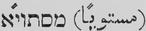 est imité de ces mots du Korân (chap. VII, V. 52) :
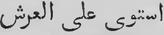 , il s’établit sur le trône. Les commentateurs du Korân donnent au verbe
 le sens de s’emparer, dominer, ou celui de se fixer. Ibn-Falaquera, dans ses notes critiques sur la version d’Ibn-Tibbon, cite ledit passage du Korân. Voy Moré-ha-Moré, p. 150.
- 2 Voir ci-dessus, p. 58, note 2.
In the passage (Exodus XXIV:10, lit., “And there was under his feet, like the action of the whiteness of a sapphire stone”), Onkelos, as you know, in his version, considers the word (raglav) “his feet” as a figurative expression and a substitute for “throne”; the words “under his feet” he therefore paraphrases, “And under the throne of his glory.” Consider this well, and you will observe with wonder how Onkelos keeps free from the idea of the corporeality of God, and from everything that leads thereto, even in the remotest degree. For he does not say, “and under His throne”; the direct relation of the throne to God, implied in the literal sense of the phrase “His throne,” would necessarily suggest the idea that God is supported by a material object, and thus lead directly to the corporeality of God: he therefore refers the throne to His glory, i.e., to the Shekhinah, which is a light created for the purpose.
וכד'לך קאל פי תרגום כי יד על כס יה קאל מן קדם דחילא דשכינתיה על כורסי יקרא. והכד'א תג'ד עלי לסאן ג'מיע אלאמה כסא הכבוד
וכן אמר ב׳תרגום׳: כִּי יָד עַל כֵּס יָהּשמות יז,טז ׳מן קדם אלהא דשכינתיה על כורסי יקרא׳. וכן תמצא על לשון כל העם ׳כסא הכבוד׳.
- 1 הערה (מיקום משוער) תרגום העורך: מלפני האל אשר שכינתו נמצאת על כסא הכבוד
Il s’exprime de même dans la traduction des mots : « Car la main (est placée) sur le trône de Dieu » Exode XVII, 16, où il dit : « … de la part de Dieu, dont la majesté (repose) sur le trône de sa gloire. » Tu trouves de même dans le langage de la nation (juive) tout entière le כסא הכבוד, trône de la gloire.
Similarly he paraphrases the words, “For my hand I lift up to the throne of God” Exodus XVII:16, “An oath has been uttered by God, whose Shekhinah is upon the throne of his glory.” This principle found also expression in the popular phrase, “the Throne of the Glory.”
וקד כ'רג'נא ען גרץ' אלפצל לשי סיתבין פי פצול אכ'רי וארג'ע אלי גרץ' אלפצל.
וכבר יצאנו מענין הפרק לדבר שיתבאר בפרקים אחרים. ואשוב אל ענין הפרק.
Mais nous nous sommes écartés du sujet de ce chapitre pour (toucher) quelque chose qui sera expliqué dans d’autres chapitres.
We have already gone too far away from the subject of this chapter, and touched upon things which will be discussed in other chapters; we will now return to our present theme.
אמא תאויל אנקלוס פקד עלמתה לכנה גאיהֵ אלאמר אנה נפי אלתג'סים ולם יבין לנא אי שי אדרכוא ולא הד'א אלמת'ל אי שי יראד בה וכד'לך פי כל מוצ'ע לא יתערץ' להד'א אלמעני בל לנפי אלתג'סים פקט לאן נפי אלתג'סים אמר ברהאני צ'רורי פי אלאעתקאד פיקטע בה ויקול בחסבה אמא תביין מעני אלמת'ל פהו אמר מט'נון קד יכון ד'לך הו אלקצד או שי אכ'ר והי איצ'א אמור כ'פיה ג'דא וליס מן קואעד אלאעתקאד פהמהא ולא אדראכהא סהלא ללג'מהור פלד'לך לא ילם בהד'א אלמעני
אמנם פרוש אונקלוס כבר ידעתו; אלא שתכלית דברו – הרחק ההגשמה. ולא באר לנו אי זה דבר השיגו, ולא אי זה דבר נרצה בזה המשל. וכן בכל מקום לא יכניס עצמו בזה הענין, אך להרחיק הגשמות לבד כי הרחקת ההגשמה – דבר מופתי הכרחי באמונה ויגזר בו ויאמר כפי הצריך לזה; אבל באור ענין המשל הוא ענין מסופק אפשר שתהיה בו זאת הכונה או דבר אחר, והם עוד דברים נסתרים מאוד ואין מיסודות האמונה הבנתם, ולא השגתם קלה על ההמון – ולזה לא הכניס עצמו בזה הענין.
Je reviens donc au sujet du chapitre. Tu connais, dis-je, la manière dont Onkelos interprète (le passage en question) ; mais le principal pour lui c’est d’écarter la corporification, et il ne nous explique pas ce qu’ils perçurent ni ce qu’on a voulu dire par cette allégorie. De même, dans tous les passages (de cette nature), il n’aborde point cette question-là ; mais il se borne à écarter la corporification, car c’est là une chose démontrable, nécessaire dans la foi religieuse ; il le fait donc d’une manière absolue, et s’exprime en conséquence. Quant à l’explication du sens de l’allégorie, c’est une chose d’opinion ; car le but (de l’allégorie) peut être telle chose ou telle autre. Ce sont là aussi des sujets très obscurs, dont l’intelligence ne fait pas partie des bases de la Foi, et que le vulgaire ne saisit pas facilement ; c’est pourquoi il ne s’engage pas dans cette question.
- 1 Il faut se rappeler que dans le passage en question (Exode, 24, 9-11) il s’agit d’une vision des soixante-dix anciens, appelés les élus d’entre les fils d’Israël. Cf. ci-dessus, p. 48 et 49.
- 2 C’est-à-dire l’explication du sens de l’allégorie.
- 3 Littéralement : Il le tranche ou le décide, c’est-à-dire il déclare d’une manière absolue, par sa manière de traduire, que la corporéité doit être écartée.
You are acquainted with the version of Onkelos [of the passage quoted]. He contents himself with excluding from his version all expressions of corporeality in reference to God, and does not show us what they (the nobles of the children of Israel Exodus XXIV:10) perceived, or what is meant by that figure. In all similar instances Onkelos also abstains from entering into such questions, and only endeavours to exclude every expression implying corporeality; for the incorporeality of God is a demonstrative truth and an indispensable element in our faith; he could decidedly state all that was necessary in that respect. The interpretation of a simile is a doubtful thing: it may possibly have that meaning, but it may also refer to something else. It contains besides very profound matter, the understanding of which is not a fundamental element in our faith, and the comprehension of which is not easy for the common people. Onkelos, therefore, did not enter at all into this subject.
אמא נחן בחסב גרץ' אלמקאלה פלא בד לי אן אתאול שיא ואקול אן קולה תחת רגליו יריד בה מן סבבה ומן אג'לה כמא בינא ואלד'י אדרכוה הו חקיקהֵ אלמאדה אלאולי אלתי הי מן קבלה תעאלי והו סבב וג'ודהא ותאמל קולה כמעשה לבנת הספיר ולו כאן אלקצד אללון לקאל כלבנת הספיר זאד מעשה לאן אלמאדה כמא עלמת קאבלה אבדא מנפעלה באעתבאר ד'אתהא ולא פעל להא אלא באלערץ' כמא אן אלצורה פאעלה אבדא בד'אתהא מנפעלה באלערץ' כמא תבין פי אלכתב אלטביעיה ולד'לך קאל ענהא כמעשה. ואמא לבנת הספיר פהי עבארה ען אלשפאף לא ען אללון אלאביץ' לאן ביאץ' אלבלור ליס בלון אביץ' בל שפאף פקט ואלשפאף ליס הו לונא כמא ברהן פי אלכתב אלטביעיה לאנה לו כאן לונא למא אורי אלאלואן כלהא מן כ'לפה וקבלהא פלמא כאן אלג'סם אלמשף עאדם אלאלואן כלהא לד'לך יקבל אלאלואן כלהא באלתעאקב והד'א שבה אלמאדה אלאולי אלתי הי באעתבאר חקיקתהא עאדמהֵ אלצור כלהא ולד'לך הי קאבלה ללצור כלהא באלתעאקב פכאן אדראכהם אד'א אלמאדה אלאולי ונסבתהא ללה לכונהא אול מכ'לוקאתה אלמוג'בה אלכון ואלפסאד והו מבדעהא וסיאתי פי הד'א אלמעני איצ'א כלאם
אבל אנחנו כפי ענין המאמר אי אפשר מבלתי שנפרש בו דבר. ואומר – כי אמרו: ׳ותחת רגליו׳ רוצה בו מסבתו ובגללו כמו שבארנו. ואשר השיגוהו הוא אמיתת החומר הראשון אשר הוא מאתו ית׳ והוא סבת מציאותו. והסתכל אמרו: ׳כמעשה לבנת הספיר׳ – ואילו היתה הכונה המראה היה אומר ׳כלבנת הספיר׳; והוסיף ׳כמעשה׳ כי החומר כמו שידעת מקבל לעולם מתפעל לפי בחינת טבעו ואין פעולה לו כי אם במקרה – כמו שהצורה פועלת לעולם בעצמה מתפעלת במקרה כמו שהתבאר בספרים הטבעיים – ולזה אמר עליו ׳כמעשה׳. ואמנם, ׳לבנת הספיר׳ הוא לשון על הזוהר לא על המראה הלבן; כי לובן הספיר אינו מראה לבן, אבל זוהר לבד – והזוהר אינו מראה כמו שהתבאר בספרים הטבעיים, שאלו היה מראה לא היה מראה המראים כולם מאחריו ומקבלם, אך כאשר היה הגשם המזהיר נעדר המראים כולם יקבל מפני זה המראים כולם זה אחר זה; וזה כדמות החומר הראשון אשר הוא בבחינת אמתתו נעדר הצורות כולם ולזה הוא מקבל הצורות כולם זו אחר זו. והיתה השגתם אם כן – החומר הראשון ויחוסו לאלוה, והיותו ראש בריאותיו המחויבות ההויה וההפסד והוא מחדשו. – והנה יבואו בזה הענין גם כן דברים.
- חיבור אחר: Aristotle, physical writings בינה מלאכותית
- חיבור אחר: Aristotle, On the Soul, Book II, ch. 7 (Munk) בינה מלאכותית
Mais nous, eu égard au but de ce traité, nous ne saurions nous dispenser de donner quelque interprétation (du passage en question). Je dis donc que, par les mots sous ses pieds, on veut dire par sa cause et par lui, comme nous l’avons expliqué ; ce qu’ils perçurent, c’était la véritable condition de la matière première, laquelle est venue de Dieu, qui est la cause de son existence. Remarque bien les mots : כמעשה לבנת הספיר, comme un ouvrage de l’éclat du saphir : si on avait eu en vue la couleur, on aurait dit כלבנת הספיר, comme la blancheur ou l’éclat du saphir ; mais on a ajouté מעשה, un ouvrage, parce que la matière, comme tu le sais, est toujours réceptive et passive par rapport à son essence, et n’a d’action qu’accidentellement, de même que la forme est toujours active par son essence et passive par accident, ainsi que cela est expliqué dans les livres de Physique ; et c’est à cause de cela qu’on a dit de la première כמעשה, comme un ouvrage. Quant aux mots לבנת הספיר (qui signifient littéralement : la blancheur du saphir), ils désignent la transparence, et non pas la couleur blanche, car la blancheur du cristal n’est pas une couleur blanche, mais une simple transparence ; et la transparence n’est pas une couleur, comme cela a été démontré dans les livres de Physique, car, si elle était une couleur, elle ne laisserait pas percer toutes les couleurs, et ne les recevrait pas. C’est donc parce que le corps transparent est privé de toutes les couleurs qu’il les reçoit toutes successivement ; et ceci ressemble à la matière première, qui, par rapport à sa véritable condition, est privée de toutes les formes, et qui, à cause de cela, les reçoit toutes successivement. Ainsi donc ce qu’ils perçurent, c’était la matière première et sa relation avec Dieu, (savoir) qu’elle était la première de ses créatures comportant la naissance et la destruction, et que c’était lui qui l’avait produite du néant. Il sera encore parlé de ce sujet (dans un autre endroit).
- 4 C’est-à-dire en prenant ici le mot רגל dans le sens de cause, qui lui a été attributé au commencement de ce chapitre.
- 1 L’auteur voit dans le mot מעשה, ouvrage, travail, une allusion à la matière recevant l’action de la forme, et qui, selon lui, est désignée par les mots לבנת הספיר, éclat du saphir, comme il va l’expliquer.
- 2 L’auteur ne prend pas ici le mot ספיר dans le sens de saphir proprement dit, mais il y voit en général une matière transparente. Immédiatement après il substitue le mot arabe
 , cristal. Les traducteurs hébreux du moyen âge emploient souvent le mot ספירי pour rendre le mot arabe
 , qui correspond, dans les versions arabes, au mot grec διαφανεὶς, transparent.
- 3 Voy. Aristole, traité de l’Ame, l. II, chap. 7 : Ἄχρουν δ’ἐστὶ τὸ διαφανὲς, ϰ. τ. λ.
- 4 Littéralement : elle ne montrerait pas toutes les couleurs derrière elle ; le verbe
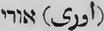 est une forme vulgaire pour
 (IVe forme de
 ).
- 5 C’est-à-dire dans quelle condition elle se trouve à l’égard de Dieu. Le mot ויחסו, qui se trouve ici dans la version d’Ibn-Tibbon, a fait que plusieurs commentateurs se sont mépris sur le sens de ce passage en prononçant וְיׅחֲסוּ comme verbe ; il faut prononcer וְיַחֲסוֹ comme substantif, avec suffixe (et sa relation), comme le fait justement observer le commentateur Joseph Caspi, ou plutôt lire ויחוסו, comme le portent plusieurs mss.
- 1 La version d’Ibn-Tibbon porte להיותו ; mais il faut traduire והיותו, car les mss. ar. ont généralement וכונהא, à l’exception de l’un des deux mss. deLeyde, qui porte לכונהא. Le mot וכונהא (et esse eam) indique, comme ce qui précède, l’objet de la perception des Élus.
- 2 C’est la matière qui est le principe de tous les êtres qui naissent et périssent. — Nous avons déjà dit plus haut (p. 60) que les mots כון et פסאר correspondent aux mots grees γἑνεσιϛ et φθορά.
- 3 Le verbe
 ou (à la IVe forme)
 , novum produxit, implique l’idée de la création ex nihilo.
- 4 Voy. la IIe partie de cet ouvrage, chap. XXVI.
We, however, remaining faithful to our task in this treatise, find ourselves compelled to give our explanation. According to our opinion “under his feet” (raglav) denotes “under that of which He is the cause,” “that which exists through Him,” as we have already stated. They (the nobles of the children of Israel) therefore comprehended the real nature of the materia prima, which emanated from Him, and of whose existence He is the only cause. Consider well the phrase, “like the action of the whiteness of the sapphire stone.” If the colour were the point of comparison, the words, “as the whiteness of the sapphire stone” would have sufficed; but the addition of “like the action” was necessary, because matter, as such, is, as you are well aware, always receptive and passive, active only by some accident. On the other hand, form, as such, is always active, and only passive by some accident, as is explained in works on Physics. This explains the addition of “like the action” in reference to the materia prima. The expression “the whiteness of the sapphire” refers to the transparency, not to the white colour: for “the whiteness” of the sapphire is not a white colour, but the property of being transparent. Things, however, which are transparent, have no colour of their own, as is proved in works on Physics: for if they had a colour they would not permit all the colours to pass through them nor would they receive colours: it is only when the transparent object is totally colourless, that it is able to receive successively all the colours. In this respect it (the whiteness of the sapphire) is like the materia prima, which as such is entirely formless, and thus receives all the forms one after the other. What they (the nobles of the children of Israel) perceived was therefore the materia prima, whose relation to God is distinctly mentioned, because it is the source of those of his creatures which are subject to genesis and destruction, and has been created by him. This subject also will be treated later on more fully.
ואעלם אנך מחתאג' אלי מת'ל הד'א אלתאויל ולו עלי תאויל אנקלוס אלד'י קאל ותחות כורסי יקריה אעני אן אלמאדה אלאולי הי איצ'א באלחקיקה תחת אלסמא אלמסמי כסא כמא תקדם. ומא נבהני עלי הד'א אלתאויל אלגריב ואיג'אד הד'א אלמעני אלא קולה וג'דתהא לר' אליעזר בן הורקנוס סתסמעהא פי בעץ' פצול הד'ה אלמקאלה ואלקצד כלה מן כל עאקל נפי אלתג'סים ען אללה תעאלי ואג'עאל תלך אלאדראכאת כלהא עקליה לא חסיה. פאפהם הד'א ואעתברה:
ודע – שאתה צריך לכמו זה הפרוש ואפילו לפרוש אונקלוס אשר אמר: ׳ותחות כורסי׳ יקריה׳ – כלומר: כי החומר הראשון הוא גם כן באמת תחת השמים הנקראים ׳כסא׳ כמו שקדם. ולא העירני אל זה הפרוש המופלא והמציא זה הענין אלא דבר מצאתי לר׳ אליעזר בן הורקנוס תשמענו בקצת פרקי זה המאמר. והכונה כולה מכל משכיל – הרחקת ההגשמה מהאלוה ית׳ והשם ההשגות ההם כולם שכליות ולא חושיות. – והבן זה והתבונן בו!
- → א׳, ט׳, פסקאות 1–2 בינה מלאכותית
Sache que tu as besoin d’une pareille interprétation, même à côté de celle d’Onkelos, qui s’exprime : et sous le trône de sa gloire ; je veux dire que la matière première est aussi, en réalité, au dessous du ciel, qui est appelé trône, comme il a été dit précédemment. Ce qui m’a suggéré cette interprétation remarquable et m’a fait trouver le sujet en question, c’est uniquement une assertion que j’ai trouvée dans (l’ouvrage de) R. Éliézer, fils de Hyrcan, et que tu apprendras dans l’un des chapitres de ce traité. Le but, en somme, qu’a tout homme intelligent, est d’écarter de Dieu (tout ce qui peut conduire à) la corporification, et de considérer toutes ces perceptions (dont nous venons de parler) comme appartenant à l’intelligence, et non pas aux sens. Il faut comprendre cela et y réfléchir.
- 5 Voir au commencement du chap. indiqué dans la note précédente.
Observe that you must have recourse to an explanation of this kind, even when adopting the rendering of Onkelos, “And under the throne of His glory”; for in fact the materia prima is also under the heavens, which are called “throne of God,” as we have remarked above. I should not have thought of this unusual interpretation, or hit on this argument were it not for an utterance of R. Eliezer ben Hyrcanus, which will be discussed in one of the parts of this treatise (II. chap. xxvi.). The primary object of every intelligent person must be to deny the corporeality of God, and to believe that all those perceptions (described in the above passage) were of a spiritual not of a material character. Note this and consider it well.
מה מפנה לכאן
- א׳, י״ג § 1 בפרק כ"ח חלק א'
- א׳, מ״ג § 5 «כמו שבארתי בשתוף ׳רגל׳ – הם גם כן נעלמים» הרמב״ם
מה שמפנה לכאן, לפי בינה מלאכותית
הטקסט אומר “כמו שבארנו” ואינו אומר היכן. בינה מלאכותית הציעה פרק זה כמקום המכוון.
- ב׳, כ״ו § 6 «כמו שבארתי לך – וזה באר שהלבן ההוא שתחת ה׳כסא׳ הוא חומר הארץ» → § 3, § 8 ודאי הערת מונק
Pour l'intelligence de ce passage, voy. la Ire partie de cet ouvrage, chap. XXVIII
(ההסבר באנגלית)Onkelos' rendering of 'under his feet' is explained in I.28.