חלק ג׳ פרק ל״ו
אלמצות אלתי תצ'מנתהא אלג'מלה אלאולי והי אלארא אלתי אחצינאהא פי הלכות יסודי התורה כלהא בינהֵ אלעלה תאמלהא ואחדה ואחדה תג'ד צחהֵ ד'לך אלראי ואנה אמר ברהאני. וכד'לך כל מא ג'א מן אלחץ' ואלתאכיד פי אלתעלם ואלתעלים בין אלפאידה לאנה אן לם יחצל עלם לא יחצל עמל צאלח ולא ראי צחיח. ואכראם חמלהֵ אלשריעה איצ'א בין אלפאידה לאנה אן לם תתצ'ע להם עט'מה פי אלנפוס לא יסמע קולהם פי מא ירשדון אליה מן אלארא ואלאעמאל. ופי צ'מן הד'ה אלמצוה איצ'א אלתכ'לק באלחיא אעני קולה מפני שיבה תקום.
ה׳מצוות׳ אשר כלל אותם הכלל הראשון – והם הדעות אשר ספרנום ב״הלכות יסודי התורה״ – סיבת כולם מבוארת הסתכל בהם אחת אחת תמצא אמיתת הדעת ההוא ושהוא ענין מופתי. וכן כל מה שבא מן הזרוז והאזהרה ללמוד וללמד – מבואר התועלת כי אם לא תהיה שם חכמה – לא יהיה שם מעשה טוב ולא דעת אמיתי. וכיבוד חכמי התורה – גם כן מבואר התועלת שאם לא יהיו גדולים בעיני בני אדם ומכובדים לא ישמעו אל דבריהם במה שיישירו אליו מן הדעות והמעשים; ובכלל זאת ה׳מצוה׳ גם כן – להתנהג בבושת ובענוה – רצוני לומר: אמרו: מִפְּנֵי שֵׂיבָה תָּקוּםויקרא יט,לב.
Les commandements que renferme la première classe, à savoir les idées, et que nous avons énumérés dans le traité Yésodé ha-torâ (des fondements de la Loi), sont tous clairement motivés. Si tu les examines un à un, tu y trouveras toujours une idée vraie et susceptible d’être démontrée. De même, tout ce qui est stimulation et encouragement à l’étude et à l’enseignement est d’une utilité évidente ; car si on n’a pas acquis de science, on n’aura ni vertus pratiques, ni idées saines. Il est également d’une utilité évidente d’honorer ceux qui sont les soutiens de la Loi ; car s’ils ne sont pas un objet de haute considération, on n’écoutera pas leurs paroles, quand ils voudront diriger nos pensées et nos actions. Dans le commandement exprimé par les mots : « Lèvetoi devant la vieillesse » Lévitique XIX, 32, est contenu aussi le devoir de se conduire avec modestie.
- 2 Dans ce passage et dans les suivants, l’auteur parle de certains devoirs relatifs à l’étude de la loi et au respect dû aux savants et aux vieillards. Tous ces devoirs ont été exposés par l’auteur dans son Abrégé du Talmud, ou Mischné Torâ, traité Talmud Torâ (de l’étude de la loi).
- 3 Sur cette expression, voy. le t. II, p. 65, note 3.
- 4 Mot à mot : s’il ne leur est pas donné de grandeur dans les âmes (des hommes). Ibn-Tibbon traduit, selon le sens : שאם לא יהיו גדולים בעיני בני אדם ומכובדים ; Al-’Harîzi traduit plus littéralement : אם לא יהיה להם הדור בנפשות.
- 1 Selon la tradition rabbinique, le mot vieillesse désigne ici la science, et on recommande par ce passage du Lévitique de respecter et d’honorer les hommes instruits. Déjà dans la version chaldaïque d’Onkelos, les mots מפני שיבה תקום sont rendus dans le même sens : מן קדם דסבר באוריתא תקום, lève-toi devant celui qui est versé dans la loi. Cf. Maïmonide, Sépher ha-miçwôth, commandements affirmatifs, n° 209.
- 2 C’est-à-dire, d’être modeste et humble devant les hommes âgés ; selon le Talmud, tout vieillard, fût-il païen, doit être un objet de respect, même pour les savants. Voy. Talmud de Babylone, traité Kiddouschîn, fol. 32 b ; Maïmonide, traité Talmud Torâ, chap. VI, § 9.—Le mot ar. חיא est rendu dans les deux versions hébraïques par deux mots : בשת וענוה.
THE reason of all precepts of the first class, viz., of the principles enumerated by us in the Hilkot yesode ha-torah, is obvious. Consider them one by one, and you will find that the lesson which every one of them contains is correct and demonstrable. It is also evident that the precepts which exhort and command us to learn and to teach are useful; for without wisdom there cannot be any good act or any true knowledge. The law which prescribes to honour the teachers of the Law is likewise useful; for if they were not considered by the people as great and honourable men, they would not be followed as guides in their principles and actions. The Law demands also that we be humble and modest [in their presence]. “Thou shalt rise up before the hoary head” Leviticus XIX:32.
וכד'לך כל מא ג'א מן אלחץ' ואלתאכיד פי אלתעלם ואלתעלים בין אלפאידה לאנה אן לם יחצל עלם לא יחצל עמל צאלח ולא ראי צחיח. ואכראם חמלהֵ אלשריעה איצ'א בין אלפאידה לאנה אן לם תתצ'ע להם עט'מה פי אלנפוס לא יסמע קולהם פי מא ירשדון אליה מן אלארא ואלאעמאל. ופי צ'מן הד'ה אלמצוה איצ'א אלתכ'לק באלחיא אעני קולה מפני שיבה תקום. ומן הד'ה אלג'מלה איצ'א אלאמר אלד'י אמרנא באלימין באסמה ונהינא ען חנת' אלימין וען אימאן אללגו כל הד'א בין אלעלה אנה תעט'ימא לה תעאלי פהד'ה אעמאל תוג'ב אעתקאד עט'מתה.
ומזה הכלל גם כן המצוה אשר צונו להשבע בשמו והוזהרנו מהשבע לשקר או לשוא – כל זה מבואר העילה שזה כבוד לו ית׳ ואלה הם מעשים מביאים להאמין גדולתו.
De cette (première) classe sont aussi les préceptes qui nous ordonnent de jurer par son nom et qui nous défendent de violer le serment, ou de jurer en vain. Tout cela a une raison manifeste, et a pour objet le respect dû à la Divinité ; car ce sont là des actions qui affermissent la croyance à sa grandeur.
- 3 Voy. Deutér., 6, 13 ; X, 20 ; Lévit., 19, 12 ; Exode, 20, 7.
This class includes also the commandment to swear by the name of God and the prohibition of swearing falsely or in vain. The reason for all these precepts is evident; they aim at the glorification of God:
וכד'לך אלאמר אלד'י אמרנא באסתצראכ'ה תעאלי ענד כל שדה אעני קולה והרעותם בחצוצרות הו מן הד'ה אלג'מלה. לאנה פעל ית'בת בה אלראי אלצחיח והו אנה תעאלי מדרך אחואלנא ובידה אצלאחהא אד'א טענא ואפסאדהא אד'א עצינא לא אן נעתקד ד'לך אתפאקא ואמרא ערץ' והד'א הו מעני קולה ואם תלכו עמי קרי יעני אני אד'א אנזלת בכם הד'ה אלאפאת עקאבא לכם אן חמלתם תלך אלאפאת מחמל אלאתפאק פאזידכם מן ד'לך אלאתפאק בזעמכם אשדה ואצעבה והו קולה והלכתם עמי בקרי והלכתי עמכם בחמת קרי לאן אעתקאדהם אן ד'לך אתפאק ממא יוג'ב דואמהם עלי אראיהם אלפאסדה ואעמאלהם אלט'למיה ולא ירג'עון ענהא כמא קאל הכיתה אותם ולא חלו פלד'לך אמרנא באלדעא לה תעאלי ואלהרע אליה ואלצראך' בין ידיה ענד כל מלמה.
- חלק ג׳ פרק ל״ו מול חלק ג׳ פרק נ״א בינה מלאכותית
- מצות הצעקה בעת צרה מחזקת את הדעת האמיתי שהאלוה משיג ענינינו ובידו לתקנם אם נעבדהו ולהפסידם אם נמרהו, ושאין זה מקרה.
- האדם הנבדל מן האלוה במחשבתו מופקר למקרה כבהמות, ומה שאירע לשלם בעת שכחתו ולחסר שלא נפגע – במקרה אירע.
וכן המצוה אשר צונו לצעוק אליו ית׳ בעת צרה – רצוני לומר: אמרו: וַהֲרֵעוֹתֶם בַּחֲצוֹצְרוֹתבמדבר י,ט – היא מזה הכלל, מפני שהיא פעולה שיתחזק בה הדעת האמיתי, והוא שהאלוה ית׳ משיג ענינינו ובידו לתקנם – אם נעבדהו ולהפסידם אם נמרהו; לא שנאמין שזה מקרה ודבר שארע – וזהו ענין אמרו: וְאִם תֵּלְכוּ עִמִּי קֶרִיויקרא כו,כא – רצונו לומר: שאני כשאביא לכם אלו הצרות לענוש אתכם אם תחשבו בהם שהם מקרה אוסיף לכם מן המקרה ההוא (כפי מחשבתכם) יותר חזק ויותר קשה – והוא ענין אמרו: ״והלכתם עמי בקרי – והלכתי עמכם בחמת קרי״. כי האמינם שהוא במקרה – ממה שמחיב התמדתם על דעותם הרעות ועל מעשי העול ולא ישובו מהם – כמו שאמר הכיתה אותם ולא חלו״. ולכן צונו להתפלל אליו ולהתחנן לו ולצעוק לפניו בעת צרה.
- חלק ג׳ פרק ל״ו מול חלק ג׳ פרק נ״א בינה מלאכותית
- מצות הצעקה בעת צרה מחזקת את הדעת האמיתי שהאלוה משיג ענינינו ובידו לתקנם אם נעבדהו ולהפסידם אם נמרהו, ושאין זה מקרה.
- האדם הנבדל מן האלוה במחשבתו מופקר למקרה כבהמות, ומה שאירע לשלם בעת שכחתו ולחסר שלא נפגע – במקרה אירע.
A cette classe appartient encore le précepte d’invoquer Dieu dans les moments de détresse, ainsi qu’il est dit : « Vous ferez retentir les trompettes » Nombres X, 9 ; car c’est un acte qui sert à affermir une idée vraie, à savoir que Dieu perçoit notre situation, qu’il dépend de lui de l’améliorer si nous lui obéissons, et de la rendre mauvaise si nous lui désobéissons, et qu’il ne faut pas voir en cela l’effet du hasard ou d’un simple accident. Tel est le sens de ces mots : Si vous marchez avec moi קרי, « dans la voie du hasard » Lévitique XXVI, 21, ce qu’il faut entendre ainsi : « Si vous considérez comme un simple hasard ces malheurs que je fais fondre sur vous pour vous punir, j’augmenterai pour vous ce prétendu hasard en ce qu’il a de plus grave et de plus cruel, » comme il est dit : « Et si vous marchez avec moi dans la voie du hasard, je marcherai avec vous dans la voie du plus cruel hasard » Ib., v. 27-28. En effet, leur croyance que ce n’était là qu’un pur hasard devait avoir pour effet de les laisser, sans retour, persister dans leurs opinions pernicieuses et dans leurs actions impies, comme il est dit : « Tu les as frappés, et ils n’en ont point tremblé » Jérémie V, 3. C’est pourquoi Dieu nous a ordonné de l’invoquer, d’avoir recours à lui et de lui adresser nos supplications dans chaque malheur.
- חלק ג׳ פרק ל״ו מול חלק ג׳ פרק נ״א בינה מלאכותית
- מצות הצעקה בעת צרה מחזקת את הדעת האמיתי שהאלוה משיג ענינינו ובידו לתקנם אם נעבדהו ולהפסידם אם נמרהו, ושאין זה מקרה.
- האדם הנבדל מן האלוה במחשבתו מופקר למקרה כבהמות, ומה שאירע לשלם בעת שכחתו ולחסר שלא נפגע – במקרה אירע.
- 4 Cf. Sépher miçwôth, préceptes affirmatifs, n° 59, à la fin, et Mischné Torâ, ou Abrégé du Talmud, l. III, traité Ta’anîth (du jeûne), ch. I, § 1.
- 5 L’auteur prend ici le mot קרי dans le sens de מקרה, hasard, accident ; de même Ibn-Ezra et David Kim’hi (Rad. קרה), selon les anciens rabbins : כלומר שתאמרו כי היסורין שאני אביא עליכם דרך מקרה הם ואינם תגמול עונותיכם. Cf. Mischné Torâ, l. c., § 3.
- 1 Sur le sens du verbe
 , voy. ci-dessus, p. 258, note 4. Le ms. n° 63 du suppl. hébr. a ici ואלתצׄרע, et c’est cette leçon que paraissent avoir suivie les deux traducteurs hébreux ; Ibn-Tibbon a ולהתחנן לו, et Al-’Harîzi ולשַׁוע.
they prescribe acts which lead to the belief in God’s greatness. Likewise the commandment to cry to God in time of trouble, “to blow an alarm with the trumpets” Numbers X:9, belongs to this class. We are told to offer up prayers to God, in order to establish firmly the true principle that God takes notice of our ways, that He can make them successful if we worship Him, or disastrous if we disobey Him, that [success and failure] are not the result of chance or accident. In this sense we must understand the passage, “If ye walk with me by chance” (beḳeri, Leviticus XXVI:21); i.e., if I bring troubles upon you for punishment, and you consider them as mere accidents, I will again send you some of these accidents as you call them, but of a more serious and troublesome character. This is expressed in the words: “If ye walk with me by chance: then I will walk with you also in the fury of chance” (ibid. vers. 27, 28). For the belief of the people that their troubles are mere accidents causes them to continue in their evil principles and their wrong actions, and prevents them from abandoning their evil ways. Comp. “Thou hast stricken them, but they have not grieved” Jeremiah V:3. For this reason God commanded us to pray to Him, to entreat Him, and to cry before Him in time of trouble.
- חלק ג׳ פרק ל״ו מול חלק ג׳ פרק נ״א בינה מלאכותית
- מצות הצעקה בעת צרה מחזקת את הדעת האמיתי שהאלוה משיג ענינינו ובידו לתקנם אם נעבדהו ולהפסידם אם נמרהו, ושאין זה מקרה.
- האדם הנבדל מן האלוה במחשבתו מופקר למקרה כבהמות, ומה שאירע לשלם בעת שכחתו ולחסר שלא נפגע – במקרה אירע.
ובין הו אן אלתשובה איצ'א מן הד'ה אלג'מלה אעני מן אלארא אלתי לא ינתט'ם וג'וד אשכ'אץ אלמתשרעין אלא באעתקאדהא לאנה לא בד לשכ'ץ מן אן יכ'טי ויזל אמא בג'הלה פי ראי יות'רה או כ'לק והו גיר מות'ר באלחקיקה או בגלבהֵ שהוה או גצ'ב פלו אעתקד אלשכ'ץ אן לא ג'ברה להד'א אלצדע אבדא לדאם פי צ'לאלה וקד רבמא זאד פי עציאנה אד' לם תבק לה חילה אמא מע אעתקאד אלתובה פהו ינצלח וירג'ע לאחסן חאל ולאכמל ממא כאן קבל אן יעצי. ולד'לך כת'רת אלאעמאל אלמת'בתה להד'א אלראי אלצחיח אלנאפע ג'דא אעני אלודויין ואלקרבנות עלי אלסהו וכד'לך איצ'א עלי תעמד בעץ' את'אם ואלתעניות. ואלאמר אלעאם ללתובה מן כל ד'נב אלאקלאע ענה פתלך גאיהֵ הד'א אלראי פהד'ה כלהא קד באנת פאידתהא:
ומבואר הוא שה׳תשובה׳ גם כן מזה הכלל – רצוני לומר: מן הדעות אשר לא יסודר מציאות אנשי התורה אלא בהאמין אותם – שאי אפשר לשום אדם שלא יחטא ויפשע אם שיסכול בדעת שיבחרהו או מדה והיא בלתי נבחרת באמת או לתגבורת תאוה או כעס; ולו האמין האדם שלא יוכל לתקן זה המעות לעולם, היה מתמיד על טעותו ואפשר שהיה מוסיף במריו אחר שלא נשארה לו תחבולה; אך עם אמונת התשובה יתקן וישוב לטוב שבענינים ויותר שלם ממה שהיה קודם שיחטא. ולזה רבו המעשים המקיימים זה הדעת האמיתי המועיל מאד – רצוני לומר: ה׳וידויין׳ וה׳קרבנות׳ על השגגות וכן על קצת הזדונות, וה׳תעניות׳. והענין הכולל לתשובה מכל חטא – לסור ממנו. זאת היא תכלית זה הדעת. ואלו כולם – תועלתם מבוארת.
Il est évident que la pénitence appartient également à cette classe, je veux dire qu’elle fait partie des idées qu’il faut admettre pour qu’il puisse exister une société religieuse bien organisée. En effet, il est impossible que l’homme ne pèche pas et ne bronche pas, soit en adoptant par ignorance une opinion ou une conduite qui ne saurait être approuvée, soit en se laissant vaincre par la concupiscence ou la passion. Si donc l’homme pouvait croire que ce mal est à jamais irréparable, il persisterait dans son erreur, et peut-être même pécherait-il davantage, n’ayant aucun moyen (de réparation) ; mais, en croyant à la pénitence, il se corrigera et redeviendra meilleur et même plus parfait qu’il n’avait été avant de pécher. C’est pourquoi les actes qui doivent affermir cette idée vraie et très-utile sont nombreux ; je veux parler des confessions, des sacrifices pour l’erreur et pour certains péchés commis avec intention, et des jeûnes. Ce qui caractérise en général la pénitence pour chaque péché, c’est de s’en détacher ; et c’est là ce que cette idée a finalement pour objet. — Toutes ces choses donc sont d’une utilité évidente.
- 2 Mot à mot : qu’il n’y a pas de jonction à cette fracture. L’expression
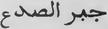 signifie remettre ou rejoindre un os fracturé, et au figuré réparer un mal. L’auteur emploie la même locution plusieurs fois ; voy. chap. XXIII, p. 172, note 4, et les autres passages indiqués dans cette note.
- 1 Voy. Lévitique, chap. V, v. 5 ; chap. XVI, v. 21.
- 2 C’est-à-dire, pour les péchés commis par erreur. Sur ces différentes espèces de sacrifices, voy. mes Réflexions sur le culte des anciens Hébreux (Bible de M. Cahen, t. IV), p. 34 et suiv. ; Palestine, p. 160 et suiv.
- 3 C’est-à-dire, tout ce qui a été énuméré dans ce chapitre.
It is clear that repentance is likewise included in this class; that is to say, it is one of those principles which are an indispensable element in the creed of the followers of the Law. For it is impossible for man to be entirely free from error and sin; he either does not know the opinion which he has to choose, or he adopts a principle, not for its own merits, but in order to gratify his desire or passion. If we were convinced that we could never make our crooked ways straight, we should for ever continue in our errors, and perhaps add other sins to them since we did not see that any remedy was left to us. But the belief in the effect of repentance causes us to improve, to return to the best of the ways, and to become more perfect than we were before we sinned. For this reason many things are prescribed for the promotion of this very useful principle: e.g., confessions and sacrifices for sins committed unknowingly, and in some cases even for sins committed intentionally, and fasts, and that which is common to all cases of repentance from sin, the resolve to discontinue sinning. For that is the aim of this principle. Of all these precepts the use is obvious.
מה מפנה לכאן
אין הפניה ידועה אל פרק זה.
מה שמפנה לכאן, לפי בינה מלאכותית
הטקסט אומר “כמו שבארנו” ואינו אומר היכן. בינה מלאכותית הציעה פרק זה כמקום המכוון.
- ג׳, ל״ה § 2 «כמו שאבאר» → § 4 ודאי בינה מלאכותית (ההסבר באנגלית)Forward to III.36.