Partie I Chapitre 7
Explication du mot yalad (enfanter), qui s’emploie métaphoriquement dans le sens d’instruire
ילד. אלמעני אלמפהום מן הד'ה אלכלמה מעלום והו אלולאדה וילדו לו בנים. ת'ם אסתעיר הד'א אללפט' לאיג'אד אלאמור אלטביעיה בטרם הרים ילדו. ואסתעיר איצ'א למעני אנבאת אלארץ' מא תנבת תשביהא באלולאדה והולידה והצמיחה. ואסתעיר איצ'א לחואדת' אלזמאן כאנהא אמור ולדת כי לא תדע מה ילד יום. ואסתעיר ד'לך איצ'א לחואדת' אלאפכאר ומא תוג'בה מן אלארא ואלמד'אהב כמא קאל וילד שקר ומנה קיל ובילדי נכרים ישפיקו יג'תזיון באראיהם כמא קאל יונתן בן עוזיאל ע"אס פי שרח ד'לך ובנימוסי עממיא אזלין.
׳ילד׳. הענין המובן מזאת המלה ידוע והוא – הלידה וְיָלְדוּ לוֹ בָנִיםדברים כא,טו. ואחר הושאלה זאת המילה להמצאת הדברים הטבעיים בְּטֶרֶם הָרִים יוּלָּדוּתהלים צ,ב. והושאלה גם כן לענין הצמחת הארץ מה שתצמיח – דמות בלדה – אמר וְהוֹלִידָהּ וְהִצְמִיחָהּישעיהו נה,י. והושאלה עוד לחידושי הזמן כאילו הם ענינים יולדו כִּי לֹא תֵדַע מַה יֵּלֶד יוֹםמשלי כז,א. והושאלה עוד לחידושי המחשבות ומה שיחיבוהו מן הדעות והסברות כמו שאמר וְיָלַד שָׁקֶרתהלים ז,טו; וממנו נאמר: וּבְיַלְדֵי נָכְרִים יַשְׂפִּיקוּישעיהו ב,ו – יספיקישעיהו ב,ו להם בדעותם כמו שאמר יונתן בן עוזיאל ע״ה בפרוש זה ׳ובנימוסי עממיא אזלין׳.
- 1 Référence entre parenthèses תרגום יונתן שם
Yalad ילד. — Ce qu’on entend par ce mot est connu ; il signifie enfanter ; p. ex. : « Et qu’elles lui auront enfanté וילדו des fils » Deutéronome XXI, 15. Ensuite ce mot a été employé au figuré pour la production des choses naturelles ; p. ex. : « Avant que les montagnes fussent nées ילדו » Psaume XC, 2, et on s’en est servi aussi dans le sens de faire germer, (en parlant de) ce que la terre fait germer, par comparaison avec l’enfantement ; p. ex. : … « qu’elle l’ait fécondée והולידה et l’ait fait germer » Isaïe LV, 10. On l’a aussi appliqué aux événements du temps, comme si c’étaient des choses qui naissent ; p. ex. : « Car tu ne sais pas ce qu’enfantera ילד le jour » Proverbes XVII, 1. Enfin on l’a appliqué à ce qui survient dans les pensées et à ce qu’elles produisent en fait d’idées et d’opinions, comme on a dit : « Et il enfantera וילד le mensonge » Psaume VII, 15, et c’est dans ce sens qu’il a été dit : « Et ils se contentent des enfants בילדי des étrangers » Isaïe II, 6, c’est-à-dire ils se contentent de leurs opinions, comme a dit Jonathan ben-Usiel dans la version de ce passage : Et ils suivent les lois des nations.
- 3 Les mss. portent : יגׁתזון, ce qui n’est autre chose qu’une orthographe vulgaire pour יגׁתזיון
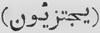 , VIIIe forme de
 . Maïmonide prend le mot ישׂפיקו dans le sens de se contenter, être satisfait ; de même Saadia, qui, dans sa version arabe d’Isaïe, le rend par יכתפון
 . Dans l’un des mss. de Leyde ce dernier mot a été substitué dans notre passage à יגׁתזון qu’ont tous les autres mss.
IT is well known that the verb yalad means “to bear,” “they have born (ve-yaledu) him children” Deuteronomy XXI:15. The word was next used in a figurative sense with reference to various objects in nature, meaning, “to create,” e.g. “before the mountains were created” (yulladu) Psalm XC:2; also, “to produce,” in reference to that which the earth causes to come forth as if by birth, e.g., “He will cause her to bear (holidah) and bring forth” (Isa. 4:10). The verb further denotes, “to bring forth,” said of changes in the process of time, as though they were things which were born, e.g., “for thou knowest not what a day may bring forth” (yeled) Proverbs XXVII:1. Another figurative use of the word is its application to the formation of thoughts and ideas, or of opinions resulting from them: comp. “and brought forth (ve-yalad) falsehood” Psalm VII:15; also, “and they please themselves in the children (yalde) of strangers” Isaiah II:6, i.e., “they delight in the opinions of strangers.” Jonathan the son of Uzziel paraphrases this passage, “they walk in the customs of other nations.”
פעלי הד'א אלמעני מן עלם שכ'צא אמרא מא ואפאדה ראיא פכאנה אולד ד'לך אלשכ'ץ מן חית' הו ד'ו ד'לך אלראי ובהד'א אלמעני תסמוא תלאמיד' אלאנביא בני הנביאים כמא סנבין פי אשתראך אסמיהֵ בן.
ועל זה הענין מי שלימד איש ענין אחד והועילהו דעת – כאילו הוליד האיש ההוא באשר הוא בעל הדעת ההוא; ובזה הענין נקראו תלמידי הנביאים – ׳בני הנביאים׳ כמו שאבאר בשתוף שם ׳בן׳.
Cible inconnue : à chercher.
C’est dans ce même sens que celui qui a enseigné quelque chose à une personne et lui a donné une idée peut être considéré comme ayant fait naître cette personne, étant lui-même l’auteur de cette idée ; et c’est dans ce sens aussi que les disciples des prophètes ont été appelés בני הנביאים, fils des prophètes, comme nous l’expliquerons en parlant de l’homonymie du substantif בן, fils.
- 1 On voit que l’auteur avait l’intention de consacrer un chapitre, dans cette Ire partie, au mot בן ; mais il ne l’a pas fait.
A man who has instructed another in any subject, and has improved his knowledge, may in like manner be regarded as the parent of the person taught, because he is the author of that knowledge: and thus the pupils of the prophets are called “sons of the prophets,” as I shall explain when treating of the homonymity of ben (son).
ובהד'ה אלאסתעארה קיל פי אדם ויחי אדם שלשים ומאת שנה ויולד בדמותו כצלמו וקד תקדם לך מעני צלם אדם ודמותו מא הי פכל מן תקדמה מן אלאולאד לם תחצל להם אלצורה אלאנסאניה באלחקיקה אלתי הי צלם אדם ודמותו אלמקול ענהא בצלם אלהים ובדמותו אמא שת פלמא עלמה ופהמה פכמל אלכמאל אלאנסאני קיל פיה ויולד בדמותו כצלמו. וקד עלמת אן כל מן לם תחצל לה הד'ה אלצורה אלתי בינא מענאהא פאנה ליס הו אנסאנא בל חיואנא עלי שכל אלאנסאן ותכ'טיטה לכן לה קדרה עלי אנואע אלאד'יאת ואחדאת' אלשרור מא ליס לסאיר אלחיואן אד' אלפכרה ואלרויה אלתי כאנת לה מעדה לחצול אלכמאל אלד'י לם יחצל יצרפהא פי אנואע אלחיל אלמוג'בהֵ ללשרור ותוליד אלאד'יאת פכאנה שי ישבה אלאנסאן או יחאכיה והכד'א כאנוא אולאד אדם אלמתקדמון לשת וקאלוא פי אלמדרש כל אותן מאה ושלשים שנה שהיה אדם נזוף בהן היה מוליד רוחות יענון שדים פלמא רצ'י ענה אולד שבהה אעני בדמותו כצלמו והו קולה ויחי אדם שלשים ומאת שנה ויולד בדמותו כצלמו:
ובזאת ההשאלה נאמר ב׳אדם׳: וַיְחִי אָדָם שְׁלוֹשִׁים וּמְאַת שָׁנָה וַיּוֹלֶד בִּדְמוּתוֹ כְּצַלְמוֹבראשית ה,ג; וכבר קדם לך ענין ׳צלם אדם ודמותו׳ מה הוא; וכל מי שקדמו לו מן הבנים לא הגיעה אליהם הצורה האנושית באמת אשר היא ׳צלם אדם ודמותו׳ הנאמר עליה ׳בצלם אלהים ובדמותו׳ אמנם ׳שת׳ כאשר לימדהו והבינהו ונמצא שלם השלמות האנושי נאמר בו וַיּוֹלֶד בִּדְמוּתוֹ כְּצַלְמוֹבראשית ה,ג. וכבר ידעת, כי כל מי שלא הגיעה לו זאת הצורה אשר בארנו ענינה הוא אינו איש אבל בהמה על צורת איש ותבניתו אבל יש לו יכולת על מיני ההזק וחידוש הרעות מה שאין כן לשאר בעלי החיים; כי השכל והמחשבה שהיו מוכנים להגעת השלמות אשר לא הגיע ישתמש בהם במיני התחבולות המביאות לרע והולד הנזקים כאילו הוא דבר ידמה לאדם או יחקהו. וכן היו בני אדם הקודמים ל׳שת׳; ואמרו ב׳מדרש׳: ״כל אותן מאה ושלושים שנה שהיה אדם נזוף בהן היה מוליד רוחות״ – רצונם לומר ׳שדים׳; וכאשר רצהו האלוה הוליד ׳בדמותו כצלמו׳ – והוא אמרו: וַיְחִי אָדָם שְׁלוֹשִׁים וּמְאַת שָׁנָה וַיּוֹלֶד בִּדְמוּתוֹ כְּצַלְמוֹבראשית ה,ג.
- → I, 1, paragraphes 3–4 intelligence artificielle
- 1 Référence entre parenthèses בפרק א
C’est selon cette métaphore qu’il a été dit d’Adam : « Et Adam ayant vécu cent trente ans, engendra à sa ressemblance, selon son image » Genèse V, 3 ; car on a déjà dit précédemment ce que signifie l’image d’Adam et sa ressemblance. C’est que tous les enfants qu’il avait eus auparavant ne possédaient pas (ce qui constitue) la forme humaine en réalité, qui est appelée l’image d’Adam et sa ressemblance, et à l’égard de laquelle il est dit (qu’il était créé) à l’image de Dieu et à sa ressemblance. Mais pour ce qui concerne Seth, (Adam) l’ayant instruit et lui ayant donné l’intelligence, de sorte qu’il arriva à la perfection humaine, il a été dit à son égard : Et il (Adam) engendra à sa ressemblance, selon son image. Tu sais que quiconque n’a pas obtenu cette forme dont nous avons expliqué le sens n’est pas un homme, mais un animal ayant la figure de l’homme et ses linéaments ; mais il a la faculté que ne possèdent pas les autres animaux, de faire toute sorte de dommages et de produire les maux. Car la réflexion et la pensée qui, en lui, étaient destinées à lui faire obtenir une perfection qu’il n’a pas obtenue, il les emploie à toute sorte de ruses produisant les maux et à faire naître des dommages ; il est donc, pour ainsi dire, quelque chose qui ressemble à l’homme ou qui le contrefait. Tels étaient les fils d’Adam antérieurs à Seth ; c’est pourquoi on a dit dans le Midrasch : « Adam, pendant les cent trente ans qu’il était réprouvé, engendrait des esprits », c’est-à-dire des démons ; mais lorsqu’il eut obtenu sa grâce, il engendra ses semblables, je veux dire à sa ressemblance, selon son image. C’est là ce qui est exprimé par ces mots : Et Adam, ayant vécu cent trente ans, engendra à sa ressemblance, selon son image.
In this figurative sense, the verb yalad (to bear) is employed when it is said of Adam, “And Adam lived an hundred and thirty years, and begat (va-yoled) a son in his own likeness, in his form” Genesis V:3. As regards the words, “the form of Adam, and his likeness,” we have already stated (ch. i.) their meaning. Those sons of Adam who were born before that time were not human in the true sense of the word, they had not “the form of man.” With reference to Seth who had been instructed, enlightened and brought to human perfection, it could rightly be said, “he (Adam) begat a son in his likeness, in his form.” It is acknowledged that a man who does not possess this “form” (the nature of which has just been explained) is not human, but a mere animal in human shape and form. Yet such a creature has the power of causing harm and injury, a power which does not belong to other creatures. For those gifts of intelligence and judgment with which he has been endowed for the purpose of acquiring perfection, but which he has failed to apply to their proper aim, are used by him for wicked and mischievous ends; he begets evil things, as though he merely resembled man, or simulated his outward appearance. Such was the condition of those sons of Adam who preceded Seth. In reference to this subject the Midrash says: “During the 130 years when Adam was under rebuke he begat spirits,” i.e., demons; when, however, he was again restored to divine favour “he begat in his likeness, in his form.” This is the sense of the passage, “Adam lived one hundred and thirty years, and he begat in his likeness, in his form” Genesis V:3.
Ce qui renvoie ici
Aucun renvoi connu vers ce chapitre.