Part I Chapter 48
The Targum of shamaʻ and raah
כל מא ג'א מן מעני אלסמע מנסובא ללה תעאלי תג'ד אנקלוס הגר קד תג'נבה ושרח מענאה בוצול ד'לך אלאמר אליה תעאלי או אנה אדרכה ואן כאן פי מערץ' אלדעא פישרח מענאה באנה קבל או לם יקבל פיקול אבדא פי שרח שמע י"י שמיע קדם י"י ופי מערץ' אלדעא תרג'ם שמוע אשמע צעקתו קבלא אקבל והד'א מטרד פי שרחה לם יעדל ען ד'לך פי מוצ'ע מן אלמואצ'ע. אמא מא ג'א מן אלרויה מנסובא אליה תעאלי פאן אנקלוס תלון פי ד'לך תלונא עג'יבא לם יתלכ'ץ לי קצדה וגרצ'ה וד'לך אן פי מואצ'ע ישרח וירא י"י וחזא י"י ופי מואצ'ע ישרחה וגלי קדם י"י אמא כונה ישרח וחזא י"י פד'לך דליל ואצ'ח עלי כון חזא פי אללגה אלסריאניה משתרכא ואנא ידל עלי מעני אדראך אלעקל כמא ידל עלי אדראך אלחאסה. פיא לית שערי אד' ואלאמר כד'לך ענדה לאי שי הרב מן אלבעץ' ושרחה וגלי קדם י"י.
כל מה שבא מענין השמע מיוחס לאלוה ית׳, תמצא ׳אנקלוס הגר׳ נשמר ממנו, ופרש ענינו בהגיע המאמר ההוא אליו ית׳ – כלומר: שהוא השיגהו; ואם היה בכלל הצעקה והתפלה, יפרש ענינו, שהוא קבל או לא קבל – ויאמר לעולם בתרגום ׳שמע יי׳ ׳שמיע קדם יי׳, ובענין הצעקה תרגם ׳שמוע אשמע צעקתו׳ – קבלא אקבל׳. וזה נמשך בפרושו לא נטה מזה במקום מן המקומות. אמנם מה שבא מן הראיה מיוחס אליו ית׳, פרש אונקלוס בן פרושים מופלאים לא התבאר לי כוונתו ודעתו. והוא – כי במקומות יפרש ׳וירא יי׳: ׳וחזא יי׳, ובמקומות יפרשהו ׳וגלי קדם יי׳. ואמנם פרשו: ׳וחזא יי׳ הוא ראיה מבוארת על היות ׳חזא׳ גם כן בלשון הארמי משותף ושהוא מורה על ענין השגת השכל, כאשר יורה על השגת החוש. ואני תמה אחר שהענין כן אצלו, על מה ברח מן הקצת ופרשו ׳גלי קדם יי׳?
Toutes les fois que l’idée d’entendre (ouïr) se trouve attribuée à Dieu, tu trouveras qu’Onkelos, le prosélyte, s’en est écarté et l’a expliquée dans ce sens, que la chose est parvenue jusqu’à Dieu, c’est-à-dire qu’il l’a perçue ; et, quand il s’agit d’une prière, il explique (le verbe entendre) dans ce sens : que Dieu accueillit ou n’accueillit pas (la prière). Il s’exprime donc toujours, pour traduire les mots l’Éternel entendit, par שמיע קדם י״י, il fut entendu devant l’Éternel ; et, là où il s’agit d’une prière, il traduit, p. ex. : « J’entendrai son cri » Exode XXII, 22 par קבלא אקבל, j’accueillerai ; c’est ce qu’il fait continuellement dans sa paraphrase, sans s’en départir dans un seul passage. Mais pour ce qui est des passages où la vue est attribuée à Dieu, Onkelos y a montré une versatilité étonnante dont le but et l’intention ne me sont pas clairs ; car, dans certains passages, il traduit וירא י״י par וחזא י״י, et l’Éternel vit, et, dans d’autres passages, il traduit ces mots par וגלי קדם י״י, et il fut manifeste devant l’Éternel. Puisqu’il traduit par וחזא י״י, et l’Éternel vit, cela prouve avec évidence que le verbe חזא, voir, dans la langue syriaque, est homonyme, et qu’il désigne aussi bien la perception de l’intelligence que celle des sens ; mais, si telle a été son opinion, je voudrais savoir pourquoi il a évité (ce verbe) dans certains passages, en traduisant : et il fut manifeste devant l’Éternel.
- 3 Le verbe
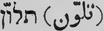 signifie prendre différentes couleurs, changer de couleur, et au figuré : être variable, inconstant. La traduction d’Ibn-Tibbon porte : פירש אונקלום בו פרושים מופלאים, Onkelos a donné à cet égard des explications étonnantes ; cette traduction est très peu exacte, comme l’a déjà fait remarquer Ibn-Falaquera (Moré-ha-Moré, pag. 150, 151), qui explique à cette occasion le véritable sens du verbe arabe
 , en rappelant que dans les proverbes arabes on compare l’homme inconstant et versatile au caméléon qui change souvent de couleur. Cf. Freytag, Prov. ar., 1, 409 ; de Sacy, Comment. ar. sur les Séances de Hariri, 22e séance (pag. 206 de la nouvelle édition).
WHENEVER in the Pentateuch the term “to hear” is applied to God, Onkelos, the Proselyte, does not translate it literally, but paraphrases it, merely expressing that a certain speech reached Him, i.e., He perceived it, or that He accepted it or did not accept, when it refers to supplication and prayer as its object. The words “God heard” are therefore paraphrased by him regularly either, “It was heard before the Lord,” or “He accepted” when employed in reference to supplication and prayer; [e.g.] “I will surely accept,” lit. “I will surely hear” Exodus XXII:22. This principle is followed by Onkelos in his translation of the Pentateuch without any exception. But as regards the verb “to see,” (raah), his renderings vary in a remarkable manner, and I was unable to discern his principle or method. In some instances he translates literally, “and God saw”; in others he paraphrases “it was revealed before the Lord.” The use of the phrase va-ḥaza adonai by Onkelos is sufficient evidence that the term ḥaza in Chaldee is homonymous, and that it denotes mental perception as well as the sensation of sight. This being the case, I am surprised that, in some instances avoiding the literal rendering, he substituted for it “And it was revealed before the Lord.”
ולמא תאמלת מא וג'דתה מן נסך' אלתרגום מע מא סמעתה פי חאל אלתעלים וג'דתה אנה מתי וג'ד אלראיה מקתרנה במט'למה או אד'יה ועדואן פישרחה גלי קדם י"י לא שך אן חזא פי תלך אללגה יקתצ'י אלאדראך ואקראר אלשי אלמדרך עלי מא אדרך עליה פלד'לך אד'א וג'ד אלרויה תתעלק במט'למה לא יקול וחזא בל וגלי קדם י"י
וכאשר השתכלתי במה שמצאתיו מנוסחאות ה׳תרגום׳ (עם מה ששמעתיו בעת הלמוד) ראיתיו כשימצא ה׳ראיה׳ מחוברת בעול או הזק וחמס יפרשהו ׳גלי קדם יי׳. ואין ספק, שמלת ׳חזא׳ בלשון ההוא גוזרת ההשגה וישב הדבר המושג כפי מה שהושג; ולזה כשמצא הראיה נתלית בעול לא יאמר: ׳וחזא׳ אבל ׳וגלי קדם יי׳.
Cependant, l’examen des exemplaires que j’ai trouvés du Targoum (d’Onkelos), joint à ce que j’avais entendu dire à l’époque de mes études, m’a fait voir que, toutes les fois qu’il trouvait le verbe ראה (voir) se rapportant à une injustice ou à quelque chose de nuisible et à un acte de violence, il le traduisait par : être manifeste devant l’Éternel. Le verbe חזא (voir), dans cette langue (araméenne), implique indubitablement l’idée de percevoir et d’avouer la chose perçue telle qu’elle a été perçue ; c’est pourquoi, quand il (Onkelos) trouvait le verbe voir se rapportant à une injustice, il ne disait pas וחזא י״י, et l’Éternel vit, mais וגלי קדם י״י, et il fut manifeste devant l’Éternel.
- 1 Littéralement : après avoir examiné les copies etc…, j’ai trouvé etc.
- 2 C’est-à-dire, ce verbe indique non seulement la perception, mais aussi l’aveu et l’approbation de la chose perçue ; on ne saurait donc l’appliquer à Dieu lorsque l’objet de la perception est un mal, car Dieu ne peut approuver le mal.
When I, however, examined the various readings in the version of Onkelos, which I either saw myself or heard from others during the time of my studies, I found that the term “to see” when connected with wrong, injury, or violence, was paraphrased, “It was manifest before the Lord.” There is no doubt that the term ḥaza in Chaldee denotes complete apprehension and reception of the object in the state in which it has been perceived. When Onkelos, therefore, found the verb “to see” connected with the object “wrong,” he did not render it literally, but paraphrased it, “It was revealed before the Lord.” he original manuscript of Onkelos, for in that case we should have assumed that he had a satisfactory explanation of it.
פוג'דת כל ראיה מנסובה ללה פי ג'מיע אלתורה שרחהא וחזא אלא הד'ה אלתי אצף לך כי ראה י"י את עניי ארי גלי קדם י"י עולבני כי ראיתי את כל אשר לבן עושה לך ארי גלי קדמי מע כון אלמתכלם מלאכא לם ינסב לה אלאדראך אלדאל עלי אקראר אלאמר לכונהא מט'למה וירא אלהים את בני ישראל וגלי קדם י"י שעבודא דבני ישראל ראה ראיתי את עני עמי מגלא גלי קדמי ית שעבודא דעמי וגם ראיתי את הלחץ ואף גלי קדמי דחקא וכי ראה את ענים וארי גלי קדמוהי שעבודהון ראיתי את העם הזה גלי קדמי עמא הדין לאן מענאה ראית עציאנהם מת'ל וירא אלהים את בני ישראל אלד'י מענאה ראי שקאהם. וירא י"י וינאץ וגלי קדם י"י כי יראה כי אזלת יד ארי גלי קדמוהי והד'ה איצ'א חאלהֵ ט'לם להם וגלבהֵ עדו והד'א כלה כאן יטרד וילחט' פיה והביט אל עמל לא תוכל. פלד'לך כל שעבוד וכל עציאן יתרג'מה גלי קדמוהי או גלי קדמי.
והנה מצאתי כל ׳ראיה׳ מיוחסת לאלוה בכל ה׳תורה׳ פרשה ׳וחזא׳, זולת אלו אעשר אספר לך. כִּי רָאָה יי בְּעָנְיִיבראשית כט,לב – ׳ארי גלי קדם יי עולבני׳; כִּי רָאִיתִי אֵת כָּל אֲשֶׁר לָבָן עוֹשֶׂה לָּךְבראשית לא,יב – ׳ארי גלי קדמי׳ (עם היות המדבר מלאך לא יחס לו ההשגה המורה על ישוב הענין להיות עול); וַיַּרְא אֱלֹהִים אֶת בְּנֵי יִשְׂרָאֵלשמות ב,כה – ׳וגלי קדם יי שיעבודא דבני ישראל׳; רָאֹה רָאִיתִי אֶת עֳנִי עַמִּישמות ג,ז – ׳מגלא גלי קדמי ית שיעבודא דעמי׳; ״וגם ראיתי את הלחץ״ – ׳ואף גלי קדמי דחקא׳; וְכִּי רָאָה אֶת עָנְיָםשמות ד,לא – ׳וארי גלי קדמוהי שיעבודהון׳; רָאִיתִי אֶת הָעָם הַזֶּהשמות לב,ט – ׳גלי קדמי עמא הדין׳ שענינו: ראיתי מרים כמו וַיַּרְא אֱלֹהִים אֶת בְּנֵי יִשְׂרָאֵלשמות ב,כה אשר ענינו: ראה את ענים ועמלם; וַיַּרְא יי וַיִּנְאָץדברים לב,יט – ׳וגלי קדם יי׳; כִּי יִרְאֶה כִּי אָזְלַת יָדדברים לב,לו – ׳ארי גלי קדמוהי׳ – וזה גם כן ענין עול להם והתגברות שונא. וזה כולו היה נמשך ונראה בו וְהַבִּיט אֶל עָמָל לֹא תוּכָלחבקוק א,יג. ולזה כל ׳שעבוד׳ וכל מרי יתרגמהו, ׳גלי קדמוהי׳ או ׳גלי קדמי׳.
J’ai donc trouvé que partout, dans le Pentateuque, où le verbe ראה (voir) est appliqué à Dieu, il le traduit (littéralement) par חזא (voir), excepté dans les passages que je vais citer : Pour « Car Dieu a vu ראה mon affliction » Genèse XXIX, 32 il met : ארי גלי קדם י״י עולבני Car ma honte s’est manifestée devant Dieu ; pour « Car j’ai vu ראיתי tout ce que Lahan te faisait » Ibid., XXXI, 12 : ארי גלי קדמי Car … est manifeste devant moi ; et, bien que celui qui parle ici soit un ange, il ne lui a point attribué la perception indiquant l’aveu (ou l’approbation) de la chose, parce qu’il s’agit d’une injustice ; pour « Et Dieu vit וירא les fils d’Israël » Exode II, 25 il met : וגלי קדם י״י שעבודא רבני ישראל Et la servitude des fils d’Israël fut manifeste devant Dieu ; pour « J’ai vu ראה ראיתי l’affliction de mon peuple » Ibid., III, 7 : מגלא גלי קדמי ית שעבודא דעמי, La servitude de mon peuple est manifeste devant moi ; pour « Et j’ai aussi vu ראיתי l’oppression » Ibid., v. 9 : ואף גלי קדמי דחקא Et aussi est manifeste devant moi l’oppression etc. ; pour « Et qu’il avait vu ראה leur affliction » Ibid., IV, 31 : וארי גלי קדמוהי שעבודהון Et que leur servitude était manifeste devant lui ; pour « J’ai vu ראיתי ce peuple » Ibid., XXXII, 9 : גלי קדמי עמא הדין Ce peuple s’est manifesté devant moi, car le sens est : j’ai vu leur rébellion, de même que dans (les mots) : Et Dieu vit les fils d’Israël, le sens est : il vit leur affliction ; pour « L’Éternel vit וירא et fut irrité » Deutéronome XXXII, 19 : וגלי קדם י״י Et cela fut manifeste devant Dieu etc. ; pour « Car il voit יראה que la force s’en est allée » Ibid., v. 36 : ארי גלי קדמוהי Car il est manifeste devant lui, car il s’agit ici également d’une injustice commise envers eux et de la victoire de l’ennemi. Partout ici il a été conséquent, et il a eu égard à (ces mots) : « Et tu ne saurais regarder l’iniquité » Habacuc I, 13 ; c’est pourquoi, toutes les fois qu’il s’agit de servitude et de rébellion, il traduit par גלי קדמוהי il fut manifeste devant lui, ou par גלי קדמי il fut manifeste devant moi.
- 1 L’auteur veut dire qu’Onkelos a évité, dans ces deux passages, le verbe voir, parce qu’il s’y agit d’un mal, c’est-à-dire, dans l’un, des actes de rébellion du peuple hébreu, dans l’autre, de son affliction.
Now, I noticed that in all instances of the Pentateuch where seeing is ascribed to God, he translated it literally, except those instances which I will mention to you: “For my affliction was revealed before the Lord” Genesis XXIX:32; “For all that Laban doeth unto thee is revealed before me” ib. XXXI:12;—although the first person in the sentence refers to the angel [and not to God], Onkelos does not ascribe to him that perception which implies complete comprehension of the object, because the object is “iniquity”—“The oppression of the children of Israel was known to the Lord” Exodus II:25; “The oppression of my people was surely known to me” ib. III:7; “The affliction is known to me” ib. 9; “Their oppression is known to me” ib. IV:31; “This people is known to me” ib. XXXII:9, i.e., their rebellion is known to me—comp. the Targum of the passage, “And God saw the children of Israel ib. II:25, which is equal to “He saw their affliction and their trouble”—“And it was known to the Lord, and he abhorred them” Deuteronomy XXXII:19; “It was known to him that their power was gone” ib. 36; in this instance the object of the perception is likewise the wrong done to the Israelites, and the increasing power of the enemy. In all these examples Onkelos is consistent, following the maxim expressed in the words, “Thou canst not look on iniquity” Habakkuk I:13; wherefore he renders the verb “to see,” when referring to oppression or rebellion, It is revealed before him, etc.
לכן אכ'תל עלי הד'א אלתאויל אלחסן אלטאיל אלד'י לא שך פיה בת'לת'ה מואצ'ע כאן מן חקהא עלי הד'א אלקיאס אן ישרחהא וגלי קדם י"י ונג'דהא פי אלנסך' וחזא י"י והי הד'ה וירא י"י כי רבה רעת האדם וירא אלהים את הארץ והנה נשחתה וירא י"י כי שנואה לאה. ואלאקרב ענדי אן יכון הד'א גלטא וקע פי אלנסך' אד' ליס ענדנא כ'ט אנקלוס פי ד'לך חתי נקול לעל לה פי ד'לך תאויל.
אבל נפסד עלי זה הפרוש הטוב, הנאה, אשר אין ספק בו, – בשלושה מקומות, היה מחוקם, לפי זאת הסברה שיפרשם, ׳גלי קדם יי׳ ואני מוצא אותם בנוסחאות: ׳וחזא יי׳. והם אלו וַיַּרְא יי כִּי רַבָּה רָעַת הָאָדָםבראשית ו,ה, וַיַּרְא אֱלֹהִים אֶת הָאָרֶץ וְהִנֵּה נִשְׁחָתָהבראשית ו,יב, וַיַּרְא יי כִּי שְׂנוּאָה לֵאָהבראשית כט,לא. והקרוב אצלי – שיהיה זה טעות שנפל בנוסחאות. שאין אצלנו כתיבת אנקלוס בזה, עד שנאמר: שמא יש לו בזה פרוש?
Cependant cette bonne et utile interprétation, qui n’est point douteuse, se trouve en défaut dans trois passages que, selon la règle en question, il aurait dû traduire par וגלי קדם י״י et il fut manifeste devant l’Éternel, tandis que nous y trouvons, dans les exemplaires : וחזא י״י et l’Éternel vit. Ce sont les suivants : « Et l’Éternel vit que la méchanceté des hommes était grande » Genèse VI, 5 ; « Et Dieu vit la terre, et voici elle était corrompue » Ibid., v. 12 ; « Et l’Èternel vit que Léa était haïe » Ibid., XXIX, 31. Il est probable pour moi que c’est une faute qui s’est glissée dans les exemplaires ; car nous n’en possédons pas l’autographe d’Onkelos pour que nous disions qu’il avait peut-être une interprétation (particulière) pour ces passages.
- 2 Littéralement : m’a été percée ou endommagée par trois passages.
- 1 En effet, dans le premier de ces trois passages, quelques éditions portent וגלי קדם י״י ; ces mêmes mots se trouvent, au troisième passage, dans la paraphrase attribuée à Jonathan ben-Uziel, et dont l’auteur a eu sous les yeux celle d’Onkelos.
- 2 L’auteur veut dire : Si on était sûr qu’Onkelos a réellement écrit, dans ces trois passages, וחזא י״י, il faudrait supposer qu’il avait quelque motif particulier pour agir ainsi, et chercher l’interprétation qu’il a pu donner à ces passages ; mais, comme il est bien plus probable que ce ne sont que des fautes de copiste, nous ne devons pas lui attribuer une intention particulière à l’égard de ces passages.
This appropriate and satisfactory explanation, the correctness of which I do not doubt, is weakened by three passages, in which, according to this view, I expected to find the verb “to see” paraphrased “to be revealed before him,” but found instead the literal rendering” to see in the various copies of the Targum. The following are the three passages “And God saw that the wickedness of man was great upon the earth” Genesis VI:6; “And the Lord saw the earth, and behold it was corrupt” ib. VI:12; “and God saw that Leah was hated” ib. XXIX:31. It appears to me that in these passages there is a mistake, which has crept into the copies of the Targum, since we do not possess the Targum in the original manuscript of Onkelos, for in that case we should have assumed that he had a satisfactory explanation of it.
אמא כונה שרח אלהים יראה לו השה קדם י"י גלי אמרא לאן לא יוהם ד'לך אן אללה תעאלי יסתאנף מטלבה ואיג'אדה או יכון איצ'א שנע פי תלך אללגה תעלק אדראכה בשכ'ץ חיואן גיר נאטק
האמנם פרשו אֱלֹהִים יִרְאֶה לּוֹ הַשֶּׂהבראשית כב,ח – ׳קדם יי גלי אימרא׳ – שלא יביא זה לחשוב, שהאלוה עתיד לבקשו ולהמציאו; או הוא גם כן מגונה בלשון ההוא התלות השגתו באחד מבעלי חיים בלתי מדברים.
Si, d’un autre côté, il a rendu les mots : « Dieu verra (choisira) pour lui l’agneau » Ibid., XXII, 8 par קדם י״י גלי אמרא Devant Dieu est manifeste l’agneau, c’était afin que ce passage (littéralement traduit) ne donnât pas lieu de croire que (cet agneau) Dieu eût besoin de le chercher pour le mettre en présence, ou bien (c’était) parce qu’il trouvait inconvenant aussi, dans cette langue (araméenne), de mettre en rapport la perception divine avec un individu d’entre les animaux irraisonnables.
- 3 Littéralement : afin que cela ne fít pas croire que Dieu fût pour aborder sa recherche et sa production, ou : que Dieu fût devant le chercher et le produire.
- 4 Le mot שבׄץ, individu, qu’Ibn-Tibbon a trop faiblement rendu par אחד, un, au lieu de le rendre par איש, et qu’Al-’Harizi a supprimé dans sa version, n’est pas ici sans importance. Selon le système de l’auteur, les individus de la race humaine sont seuls guidés par la Providence ; pour ce qui est des autres animaux, la Providence divine ne s’étend que sur les espèces, abandonnant les individus au hasard. Voyez la IIIe partie de cet ouvrage, chap. XVII.
In rendering Genesis 22:8, “the lamb is known to the Lord,” he either wished to indicate that the Lord was not expected to seek and to bring it, or he considered it inappropriate, in Chaldee to connect the divine perception with one of the lower animals.
וינבגי אן יבחת' ג'דא פי תצחיח אלנסך' פי ד'לך פאן וג'דת הד'ה אלמואצ'ע כמא ד'כרנא פלא אעלם לה גרצ'א פי ד'לך:
וצריך שיבוקש הרבה בדקדוק הנוסחאות בזה; ואם תמצא אלו המקומות כמו שזכרנו, לא אדע לו כונה בזה.
Il faut soigneusement rechercher à cet égard la vraie leçon des exemplaires, et si l’on trouve ces passages tels que nous l’avons dit, je ne connais pas son intention à cet égard.
- 1 C’est-à-dire, l’intention d’Onkelos, auquel se rapporte le pronom לה ; c’est dans ce sens qu’a traduit Al-’Harizi : איני יודע מה היתה כונתו. Quelques mss. portent להא se rapportant à מואצׄע, et c’est cette leçon qui, dans plusieurs mss. et éditions de la version d’Ibn-Tibbon, est exprimée par להם ; cependant l’édition princeps porte לו.
However, the various copies of the Targum must be carefully examined with regard to this point, and if you still find those passages the same as I quoted them, I cannot explain what he meant.
What refers here
No known reference to this chapter.